


 Austria
 Belgium
 Denmark
 Estonia
 Finland
 France
 Germany
 Greece
 Iceland
 Ireland
 Italy
Italy
 Liechtenstein
 Netherland
 Norway
 Poland
 Portugal
 Spain
Spain
 Sweden
 Switzerland
 Turkey
 United Kingdom
 Australia
 Fiji
Fiji
 Hong Kong
 India
India
 New Zealand
 Indonesia
 Japan
Japan
 Malaysia
 Philippines
 Singapore
 Thailand
 Brazil
 Chile
Chile
 Colombia
 Mexico
 Peru
Peru
 USA
USA
 Bahrain
 Israel
 Morocco
 Oman
Oman
 UAE
UAE
 Saudi Arabia
 Tanzania
Hospitality in 2026: Adaptation is key
As the UK hospitality sector surveys the coming year, the feeling is one of cautious adjustment rather than dramatic change. After several years of disruption, many businesses are focused on financial stability while adapting to new expectations from customers, the government, and market conditions. 2026 is likely to be shaped by how well businesses balance overlapping pressures – from technology and changing habits to various forms of risk.
Closing the gap between wellness and healthcare
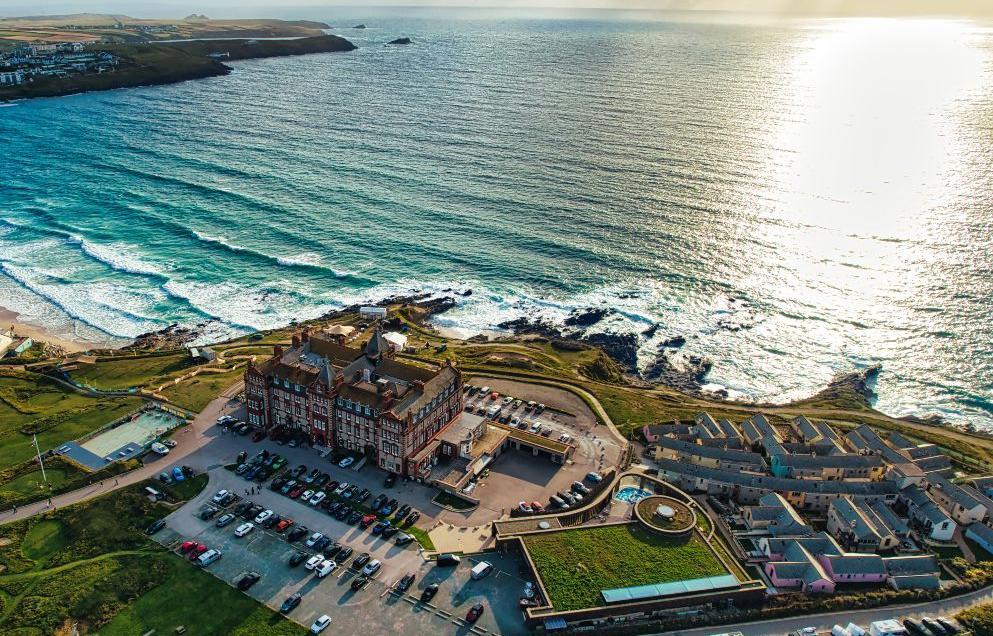
Wellness has been a hospitality trend for many years, but as customers become more health conscious, 2026 will mark a shift away from indulgence and a move toward more specific, measurable outcomes. Rather than simply offering a spa treatment or relaxation space, operators are increasingly being asked to demonstrate how their wellness offers support long-term health.
Speaking at December’s Boutique Hotel News Trends 2026 webinar, Eva-Maria Hasenauer of Lanserhof Group described how some guests now expect evidence-based wellness, clear objectives, and credible expertise rather than generic wellbeing claims. In practice, this might mean a hotel designing a stay around sleep optimisation, using lighting, nutrition, and structured routines.
The challenge is to avoid fads such as the IV drip from a few years ago, which had little evidence to back up its claims. As the distance between wellness and healthcare becomes ever smaller, scrutiny from guests and regulators is only set to increase. And with the extra responsibilities attached, the need for appropriate insurance cover will be key.
AI search results that are changing the digital landscape
One of the most immediate marketing challenges facing hospitality businesses is digital visibility, with traditional search engines like Google starting to be superseded by AI such as Chat GPT, Gemini, or Perplexity. To appeal to this shift, companies are relying less on keywords, page authorities, and SEO, and instead are using clear and factual language that provides detail and lacks ambiguity.
It means websites are becoming less like brochures and more like structured data sources, designed to answer questions clearly and accurately. For example, instead of stating they “have a beautiful pool,” hotels may now offer a detailed description of the pool and its qualities. The additional upside for their guests is they have a much better insight into what to expect.

Increased threat of cyber attack
Another big effect that AI and digitalisation has had on the industry is increasing its exposure to cyber risk. Businesses across the industry collect a lot of customer data and rely on connected systems; from booking platforms and CRM tools to digital payments and loyalty schemes – which creates more entry points for hackers to target. Recent high-profile UK and global incidents have shown how quickly a breach can disrupt operations and erode trust, with major brands such as M&S forced into system shutdowns and recovery methods after ransomware style attacks. Jeremy Clarkson said that his accounting system was also the victim of a £27,000 hacking theft.
These high profile attacks, increasingly assisted by AI, have created significant knock-on costs, including compromised loyalty programme records, third-party data handling failures, as well as remediation required after incidents linked to payment card fraud. While AI is also helping provide protections, it makes cyber basics like access controls, patching, supplier checks, and rehearsed incident response ever more important.
Climate risks superseding sustainability ambitions
After another year involving cyber-attacks, unpredictable costs and tax rises, risk is now firmly a boardroom rather than compliance issue. Howden’s Ha Young Jung, speaking at the Boutique Hotel News webinar said climate resilience is also gradually overtaking sustainability ambitions. This year will see businesses assessing and prioritising exposures, then investing in mitigation and tested emergency plans to support their long-term insurability, backed up by expert advice.
The human touch is still as important as tech
Technology is transforming hospitality operations, but its purpose is shifting. According to HOSPA CEO Jane Pendlebury, AI and automation are now becoming essential for tasks like bookings, pricing, and routine customer queries. However, she stresses that “the beauty of hospitality is the interactions, the warmth, the human smile. Technology should make teams brilliant, not redundant.”
This is especially poignant because of a deepening burnout culture in the industry, as under-staffing becomes more widespread. While AI can enable more personalised digital customer journeys, while also tailoring offers, preferences, and communications, customers still value empathy, flexibility and judgement, particularly when something goes wrong. Forward-thinking businesses are building loyal, motivated teams through fair and transparent pay and good incentives, with tech and online advice as a great helping tool. The challenge for 2026 is ensuring that data-driven personalisation supports trust and service quality, rather than replaces it.
The rise of the ‘why’ trip
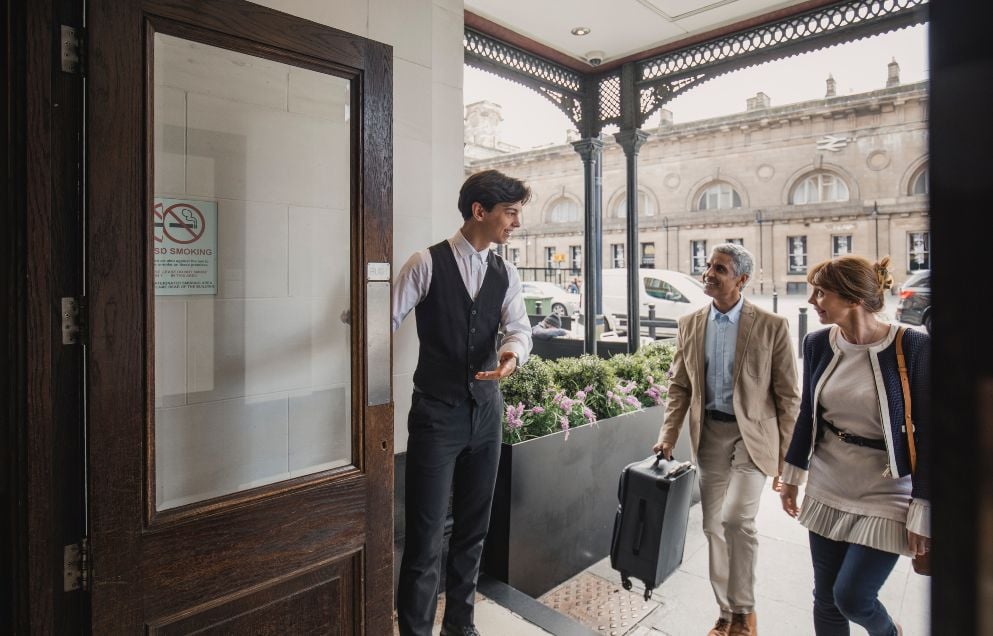
Alongside technological change, guest motivation itself is shifting. Travel in 2026 will be increasingly shaped by purpose rather than novelty, with people asking why they are travelling, not just where they are going. For some, that might mean rest and recovery, for others it’s connecting with nature or cultural immersion. This will influence how hospitality businesses design experiences – from curated local food partnerships to programming that reflects place, heritage and community. Hotels, restaurants, and venues that can tell a clear story about what they offer beyond accommodation or service are likely to stand out in a crowded market.
A great example of this is Chuku’s, the world’s first Nigerian tapas restaurant and winners of our recent £10,000 Budget Support Competition. Founded by siblings Ifeyinwa and Emeka Frederick, it has managed to create “a little slice of Lagos in London” and they’re using the prize money to grow their business and introduce more people to Nigerian cuisine.
Mindful consumption in restaurants
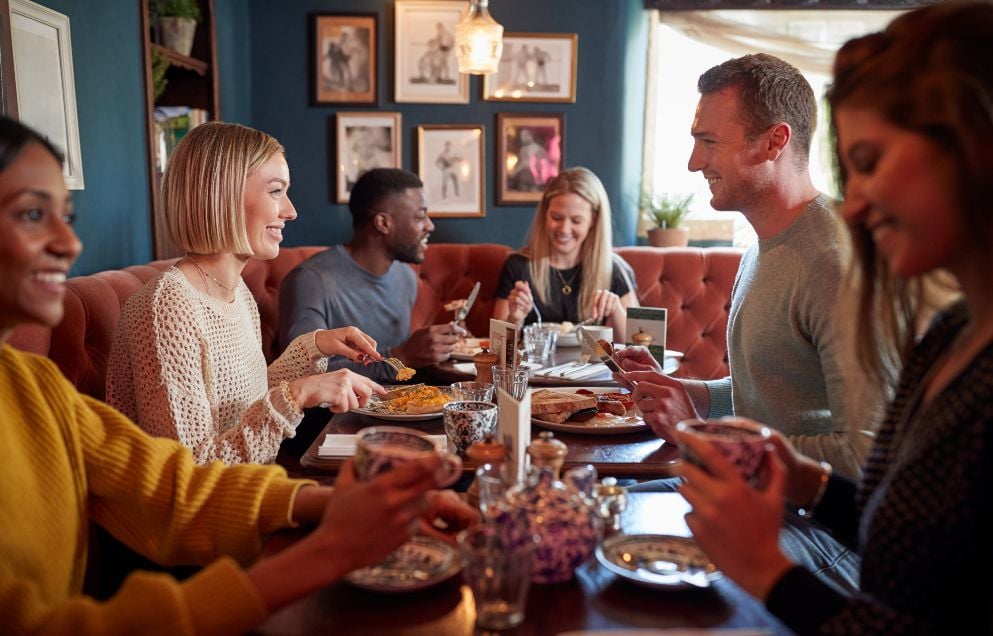
A new trend for restaurants is the idea of mindful consumption. Changing social habits and expectations are leading to a rethink of portion sizes, alcohol-free options, and ingredient transparency to support healthy and ethical dining. Shared plates or experiences built around time and atmosphere rather than volume are also a draw for those want enjoyment, but where pure gratification and excess is no longer the default.
Martyn’s Law to come into effect
Martyn’s Law is another 2026 pressure point for hospitality, as the new legislation is due to be enforced. Pubs, restaurants, and entertainment venues with a 200 capacity or more will need to put simple, low-cost policies and procedures in place to improve staff preparedness and responses.
Large hotels and high-capacity sites will face stronger expectations around public protection measures that are reasonably practicable. For operators, it reinforces a wider shift towards documented planning, training, and a culture of security awareness as part of day-to-day operations.
The fastest adapters will lead the market
As technology seeps ever deeper into society, 2026 will reward those who are tech- savvy and can adapt quickly. On the flip-side, risk is also increasing. Whether responding to AI-driven discovery, wellness expectations or climate change, the strongest businesses will be those that plan early and seek informed advice… particularly where operational decisions intersect with risk and resilience.
Your business is built on great service. Ours is too.
At Howden, we understand that hospitality is all about people - guests, staff, and the experience you deliver every day. Whether you run a restaurant, hotel, or bar, we provide handcrafted hospitality insurance designed to protect what matters most: your people, your income, and your reputation.
While we manage the risks, you can focus on what you do best, delivering memorable experiences to your customers.