 Austria
 Belgium
 Denmark
 Finland
 France
 Germany
 Greece
 Iceland
 Ireland
 Liechtenstein
 Netherlands
 Norway
 Poland
 Portugal
 Spain
Spain
 Sweden
 Switzerland
 Turkey
 United Kingdom
 Australia
 Fiji
Fiji
 Hong Kong
 India
India
 Indonesia
 Japan
Japan
 Malaysia
 New Zealand
 Philippines
 Singapore
 Thailand
 Brazil
 Chile
Chile
 Colombia
 Mexico
 Peru
Peru
 USA
USA
 Bahrain
 Israel
 Morocco
 Oman
Oman
 UAE
UAE
 Saudi Arabia
 Tanzania
Outdoor hospitality: anticipate floods and climate risks to protect your activity.
 Prefer us on Google


Outdoor hospitality relies on infrastructures established in attractive natural settings for vacationers – coastal areas, riverbanks, or wooded areas - today particularly vulnerable to climatic hazards. Floods, marine submersions, and coastal erosion, exacerbated by climate change, directly threaten the activity of many establishments.
For Outdoor hospitality industry's operators, the question is no longer whether these risks will occur, but when and how to prepare for them.
Discover the challenges and solutions to anticipate.
Climate risks for outdoor hospitality
For twenty years, France has experienced an increase in natural disasters.
Floods, river overflows, storms, and hail episodes have intensified, with significant peaks in 2011, 2019, and 2022. In addition, forest fires linked to drought, accelerated erosion of coastlines due to rising oceans, shoreline retreat, and violent phenomena concentrated in sensitive areas have occurred. Paradoxically, despite abundant rainfall, soil drying worsens floods: the land no longer absorbs water, causing sudden floods that directly affect campgrounds.
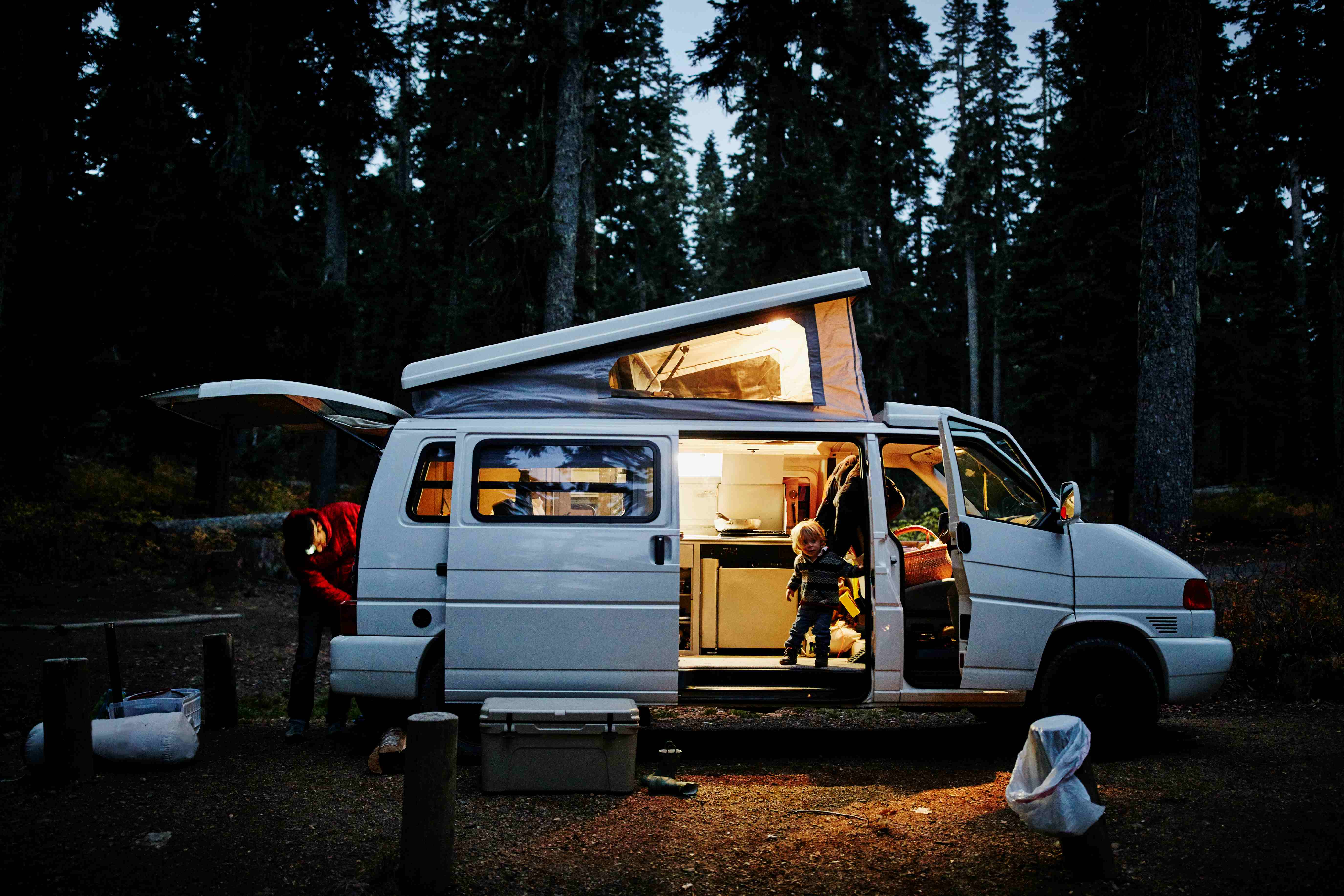
These evolutions strongly impact the Outdoor hospitality sector, whose activity has developed in sometimes flood-prone areas, with costly infrastructures: mobile homes, water spaces, playgrounds... So many vulnerable investments facing climatic hazards.
A strategic but vulnerable sector
- European Leader: France is the top destination in Europe for Outdoor hospitality and the second in the world after the United States for camping
- A massive market: There are over 7400 campings in France and more than 27 million tourists visit French campings each year
- A pillar of national tourism: Outdoor hospitality represents 48% of the capacity of collective accommodations in France
- An economic engine for the coast: 50% of coastal jobs are linked to tourism
- (source)
This dynamic market is evolving towards holiday villages, with significant investments and strong business growth. But this expansion is accompanied by increased exposure to climate risks.
- 40% of campsites are located in flood risk areas.
- 10 to 15% are not insured against floods, storms, or fires.
- Floods represent 56% of natural risks in France.
- Increasingly intense winter episodes: winter 2025 was marked by flash floods and torrential rains in Gard, Ardèche, or Var, causing considerable damage.
In response to this observation, the Ministry of Ecological Transition has relaunched its national awareness campaign on good reflexes in case of flooding. In parallel, the FNHPA organized a conference at the Senate to raise awareness of the vulnerability of the sector and propose solutions: relocation of campsites, revision of coastal legislation, and improvement of prevention measures.
What solutions to anticipate and protect your activity?
The first step consists of anticipating. In parallel, parametric insurance emerges as a major innovation for Outdoor hospitality industry.
Classic insurance and preventive measures.
- Mapping of sensitive areas with powerful tools
- Works on containment and redesign of evacuation networks
- Securing sites in winter period (elevated mobile homes, equipment storage)
- Awareness of communities on urban planning
- Self-insurance through aggregate or stop loss franchise mechanisms
Parametric insurance: a major innovation for the sector
These solutions cover the loss of turnover linked to a lack of sunshine, excessive rainfall or extreme temperatures.
Its advantages:
- Transparency and simplicity: Triggering based on objective data (water level, rainfall, temperature).
- Speed of payments: Automatic compensation without expertise in a few days.
- Adaptability: It covers not only material damages, but also loss of business revenue linked to unfavorable weather conditions, such as rainy or extremely hot weather.
Prevention checklist for operators
Check the risk mapping (PPRI, local plans)
Setting up safe zones for mobile homes
Install connected weather alert systems.
Audit your warranties to identify common exclusions.
Plan an evacuation plan and water escape routes
Webinar "Outdoor hospitality Insurance & Climate Prevention Challenges"
To delve deeper into these issues, our experts Xavier Turgis and Henri Hélias co-hosted a webinar organized by UrbanThink Platform on the theme: "Insurance of Outdoor hospitality & Climate Prevention Issues".
Several key findings have been shared:
- A critical situation: 12 to 15% of campsites today are not insured for damages.
- A massive withdrawal of insurers: certain areas are classified as "hotspots" and deemed uninsurable due to the frequency of claims.
- Solutions exist: detailed risk mapping to negotiate with companies, containment work, winterization, self-insurance through deductibles or stop-loss mechanisms, and especially parametric insurance to cover loss of revenue linked to weather parameters (water level, rainfall, temperature).
A remarkable testimony is that of the Garlaban camping site in Aubagne. Initially uninsurable, it transformed its situation through prevention work and an ecological approach, becoming today a labeled and insurable site.
Take action now to secure your campsite.
Climate risks are no longer a hypothesis: they are a reality. To ensure the sustainability of your business and the safety of your vacationers, tailored coverage and preventive measures are essential.
Have you checked your warranties?
Contact our experts for a personalized audit and discover our innovative solutions for the Outdoor hospitality.