 Austria
 Belgium
 Denmark
 Finland
 France
 Germany
 Greece
 Iceland
 Ireland
 Liechtenstein
 Netherlands
 Norway
 Poland
 Portugal
 Spain
Spain
 Sweden
 Switzerland
 Turkey
 United Kingdom
 Australia
 Fiji
Fiji
 Hong Kong
 India
India
 Indonesia
 Japan
Japan
 Malaysia
 New Zealand
 Philippines
 Singapore
 Thailand
 Brazil
 Chile
Chile
 Colombia
 Mexico
 Peru
Peru
 USA
USA
 Bahrain
 Israel
 Morocco
 Oman
Oman
 UAE
UAE
 Saudi Arabia
 Tanzania
Underground works: controlling waterproofing and insurance risk
 Prefer us on Google


Between technical challenges and insurance complexity
The waterproofing works underground are among the most sensitive areas of civil engineering. By their very nature - buried structures, significant water pressures, complex implementation conditions - they expose companies, designers, and project owners to a range of technical, legal, and insurance risks of rare complexity.
While the technology progresses and continues to innovate constantly, the adaptation of the insurance market and the understanding of warranty mechanisms remain, in themselves, still very complex for such projects and professions. It is in this context that our Howden experts regularly intervene with sector bodies, such as recently before the GT9 of the AFTES (French Association of Tunnels and Underground Space), in order to enlighten professionals on these crucial issues, drawing on their national and international experience gained on large projects.
A major challenge: deep, high-pressure and long-range work.
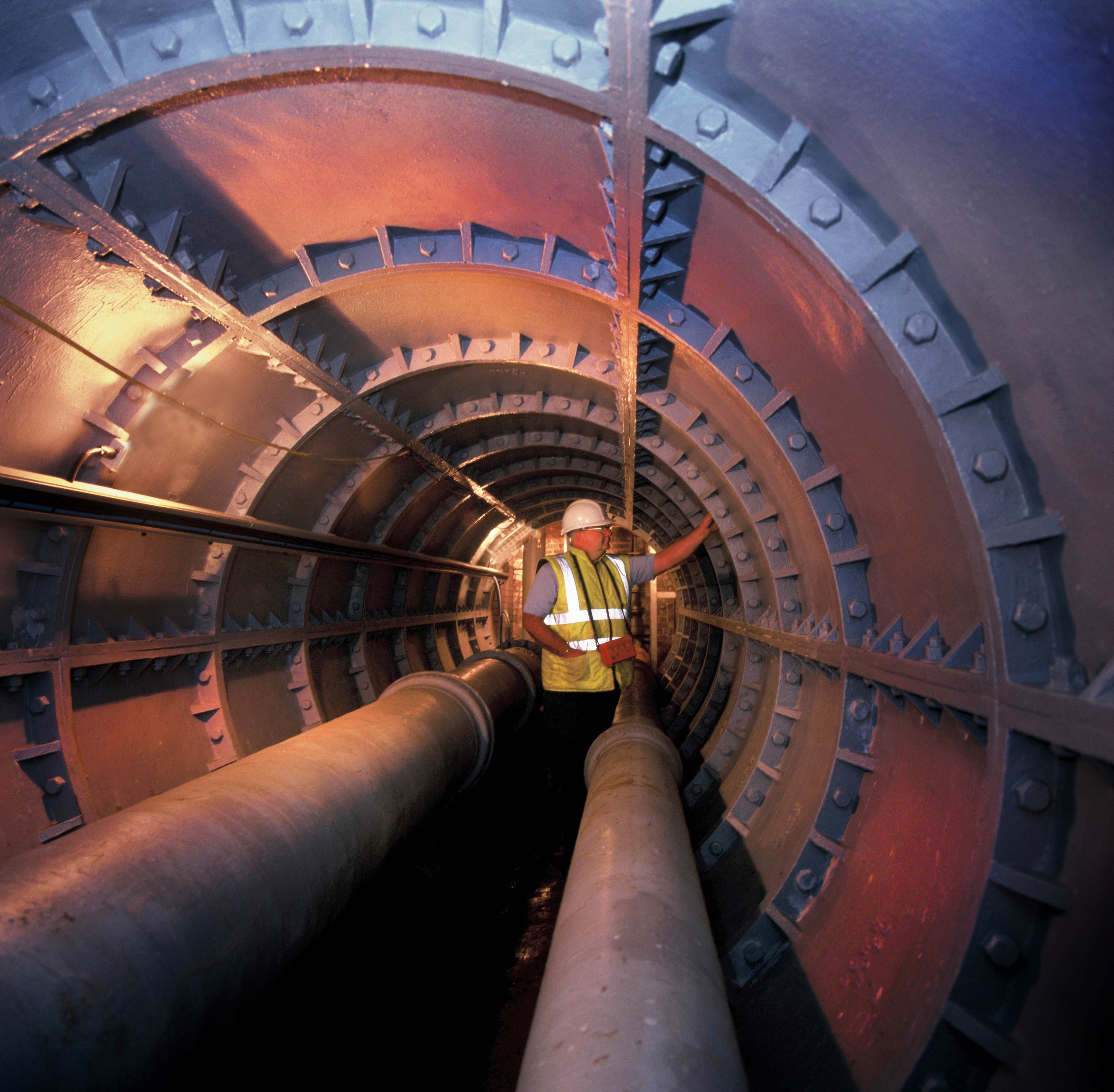
The underground structures of great depth, subjected to hydrostatic pressures and extreme geotechnical constraints, represent a significant technical and insurance challenge. These projects, often carried out in dense urban areas or sensitive zones, require innovative solutions to ensure waterproofing and stability of the structures.
The slightest failure can result in significant disasters, both financially and in terms of security.
An insurance market not very keen on these risks
The insurance market shows particular reluctance to cover these operations, especially in terms of civil liability and ten-year liability. Buried structures, by their nature, are subject to a high risk, which increases insurers' caution.
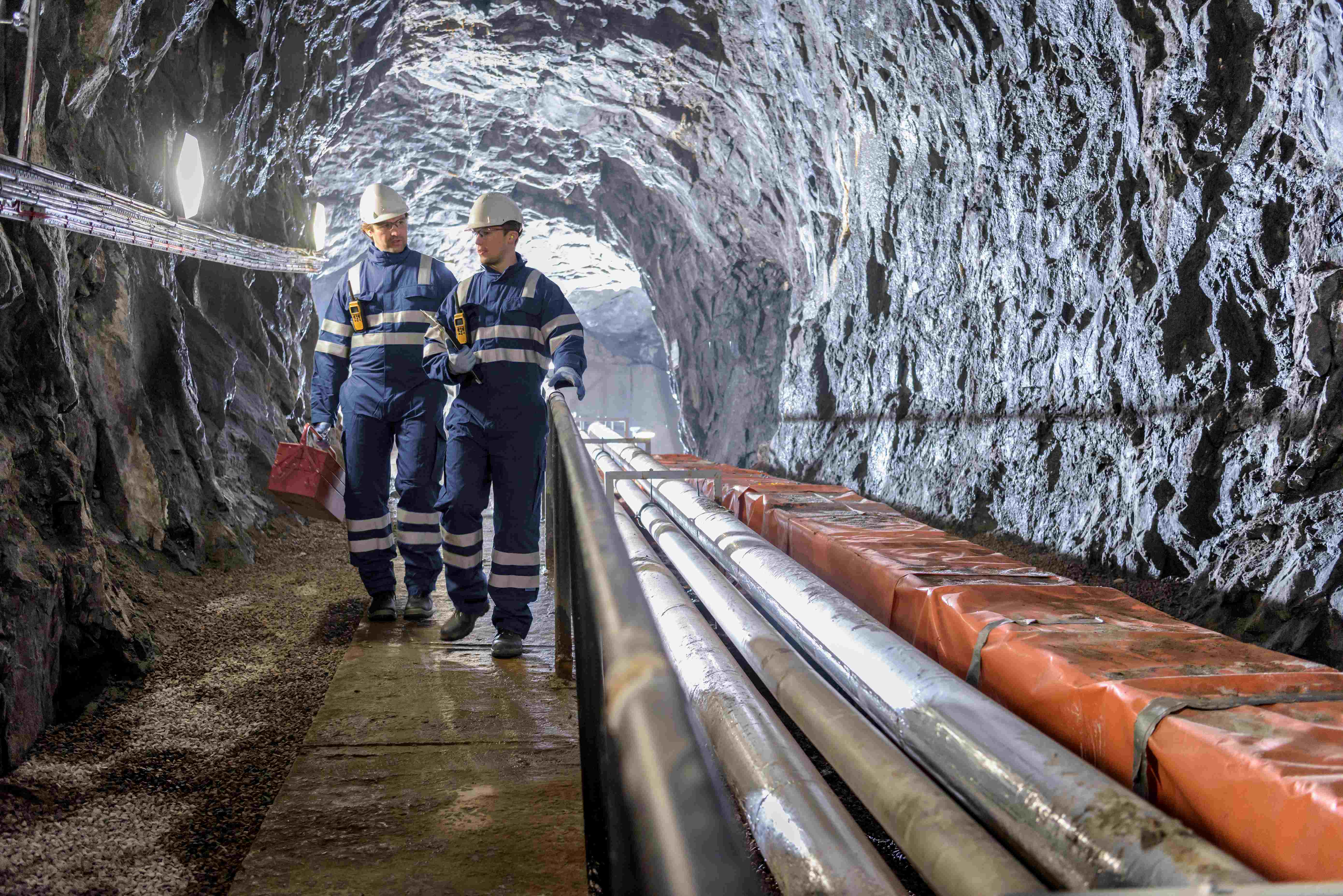
Regarding non-mandatory legally guarantees, exclusions are frequent, limits are set, and conditions are often restrictive. For guarantees during construction works (All Risks Construction Site or ARCS), the setups become complex, involving a high number of insurers and reinsurers to distribute the risk on projects with budgets amounting to hundreds of millions of euros.
The broker's expertise: a key factor for success
Studies conducted on major projects reveal that, even when well constructed, insurance only allows for the transfer of approximately one third of the overall risk. The rest relies on technical quality, contractual management, anticipation of interfaces, and understanding of legal obligations.
Facing this complexity, being accompanied by an expert broker in the field is essential. Their role is not limited to negotiating prices. They must demonstrate a high level of technical expertise to:
- Convincing insurers to accept risks atypical by arguing about the quality of processes, controls, and security devices
- Structuring complex structures, involving multiple insurers and reinsurers, to secure guarantees during construction and operation phases.
- Adapting policies to the specificities of the project (clauses on pumping, drainage, monitoring, etc.).
- Ensuring coherence between legal obligations, contractual expectations, and technical realities.
This expertise is essential to obtain the attention of insurers, identify and reduce areas of non-coverage that could jeopardize the financial viability of the project.
Do you want to know more?
Contact our international mobility expert:
 Head of Construction & Energy