 Austria
 Belgium
 Denmark
 Finland
 France
 Germany
 Greece
 Iceland
 Ireland
 Liechtenstein
 Netherlands
 Norway
 Poland
 Portugal
 Spain
Spain
 Sweden
 Switzerland
 Turkey
 United Kingdom
 Australia
 Fiji
Fiji
 Hong Kong
 India
India
 Indonesia
 Japan
Japan
 Malaysia
 New Zealand
 Philippines
 Singapore
 Thailand
 Brazil
 Chile
Chile
 Colombia
 Mexico
 Peru
Peru
 USA
USA
 Bahrain
 Israel
 Morocco
 Oman
Oman
 UAE
UAE
 Saudi Arabia
 Tanzania
A review of an unusual season: what lessons can businesses learn in the face of escalating climate risks?
 Prefer us on Google


The summer of 2026, revealing a new climate reality.
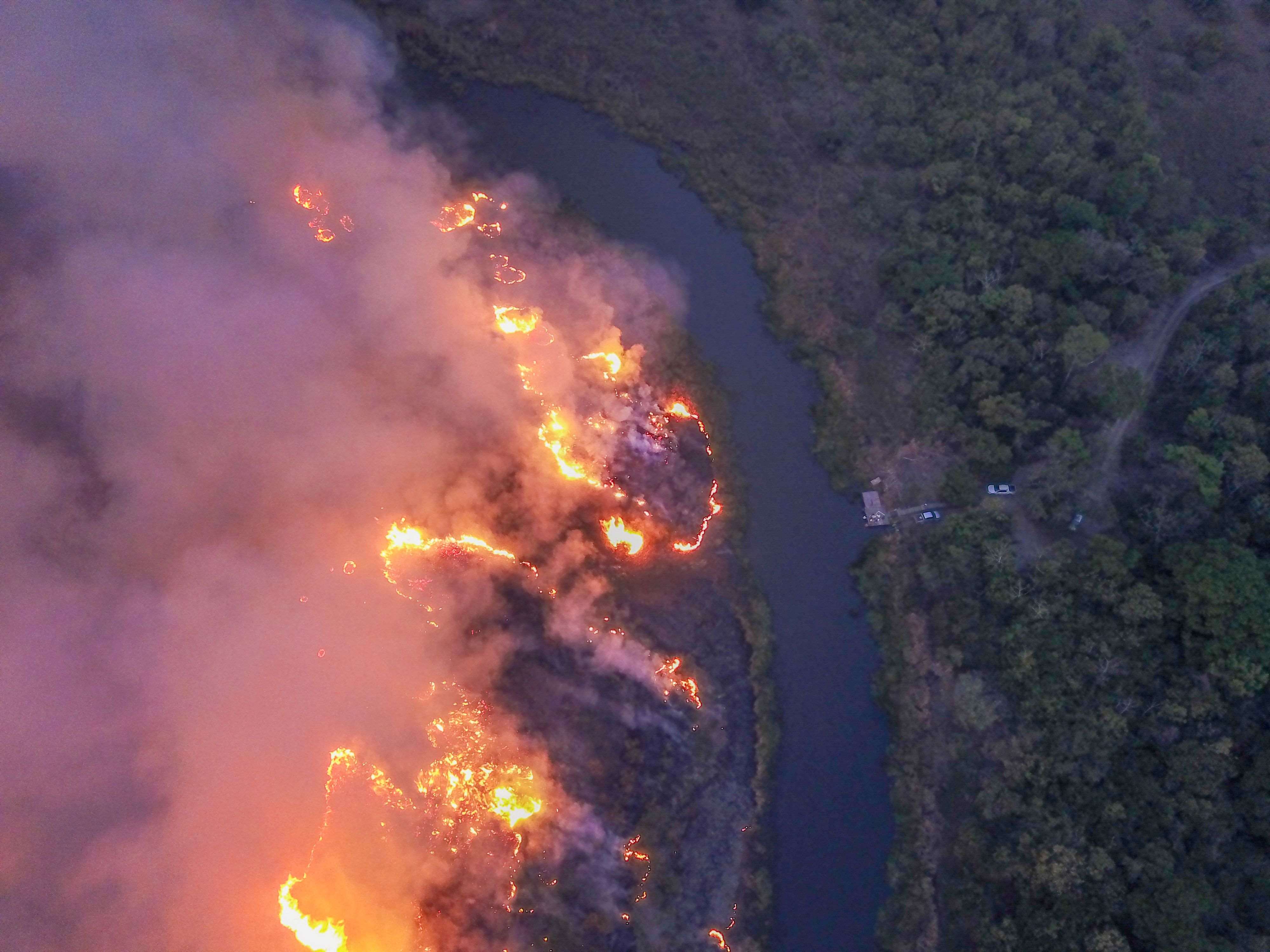
The summer of 2026 will be unforgettable. Prolonged drought, successive heatwaves, widespread fires, localized but violent storm episodes: extreme weather events have multiplied, forcefully reminding us that climate change is no longer a distant prospect, but an operational reality for businesses.
This season confirms a trend already observed for several years: heatwaves are becoming more frequent and intense, while droughts, floods, and storms are increasing in severity.
While the environmental consequences of these phenomena are well-documented, their repercussions are sometimes less so. However, many organizations have observed direct disruptions to their operations this summer: decreased foot traffic, production slowdowns, water resource tensions, construction site interruptions, logistical challenges, and decreased productivity due to high temperatures. Climate risk is no longer limited to material damages. It affects the very ability of businesses to operate under normal conditions.
A vulnerability that goes beyond traditionally exposed sectors.
Long associated with agriculture, weather sensitivity now concerns a wide variety of sectors. In tourism or outdoor hospitality, episodes of extreme heat can change visitor behaviors and affect attendance. In the energy sector, temperature variations or periods of drought can have consequences on production or demand. In construction, high temperatures sometimes require site adjustments, or even temporary interruptions of certain activities. Logistics actors may face disruptions in supply or transportation related to weather events. In other words, many companies today see a part of their performance depending on climatic parameters that they do not control. A question arises: what would happen to my business if next summer was as hot, as dry, or as unstable as the one we just experienced?
From climate risk to economic risk
Companies have long learned to manage cyber, regulatory, or geopolitical risks. Climate risk is now emerging as a full-fledged component of this reflection. What makes it unique is that it is not only translated into material damages. It can also affect revenues, operating costs, resource availability, or the smooth running of operations. In other words, climate is gradually becoming a factor in economic performance. This reality is leading organizations to broaden their analysis beyond traditional prevention mechanisms in order to better understand the economic consequences of weather-related hazards.


Parametric solutions, a new tool for resilience
Traditional insurance mechanisms remain essential to protect businesses against many risks. However, they do not systematically cover all the economic consequences that may result from a weather event. It is in this context that parametric solutions are attracting increasing interest. Their principle is based on objective and measurable indicators, such as temperature, rainfall, sunshine, or wind speed. When a predefined threshold is reached, the mechanism provided for in the contract is triggered according to the predefined conditions. This approach allows businesses to better understand certain meteorological exposures whose economic impact can be significant. Beyond the tool itself, the growth of parametric insurance mainly reflects a shift in practices: moving from a reactive to an anticipatory logic. Today, the most resilient organizations are those that seek to understand their dependence on weather conditions before a major event occurs. Identifying weather-sensitive activities, analyzing risk scenarios, and measuring their potential consequences become essential steps in risk management.
Autumn, the ideal time to prepare for the next season.
Autumn is a particularly favorable period for this exercise. It is time to draw lessons from the past season, analyze the vulnerabilities revealed by the events of summer, and prepare the necessary measures for the following year. While winter may sometimes seem to distance concerns related to drought or heatwaves, it is actually in advance that the most effective strategies are built. The summer of 2026 should not be considered as an exceptional parenthesis. On the contrary, it is an additional signal of the sustainable evolution of our climate environment. For businesses, the challenge is no longer just to face an extreme event when it occurs, but to integrate this new reality into their decisions, investments, and resilience strategy.