
 Austria
 Belgium
 Denmark
 Finland
 France
 Germany
 Greece
 Iceland
 Ireland
 Liechtenstein
 Netherlands
 Norway
 Poland
 Portugal
 Spain
Spain
 Sweden
 Switzerland
 Turkey
 United Kingdom
 Australia
 Fiji
Fiji
 Hong Kong
 India
India
 Indonesia
 Japan
Japan
 Malaysia
 New Zealand
 Philippines
 Singapore
 Thailand
 Brazil
 Chile
Chile
 Colombia
 Mexico
 Peru
Peru
 USA
USA
 Bahrain
 Israel
 Morocco
 Oman
Oman
 UAE
UAE
 Saudi Arabia
 Tanzania
Heatwaves: aquaculture faces the challenge of heat stress
 Prefer us on Google


Heatwaves, a now structural risk for fish farms
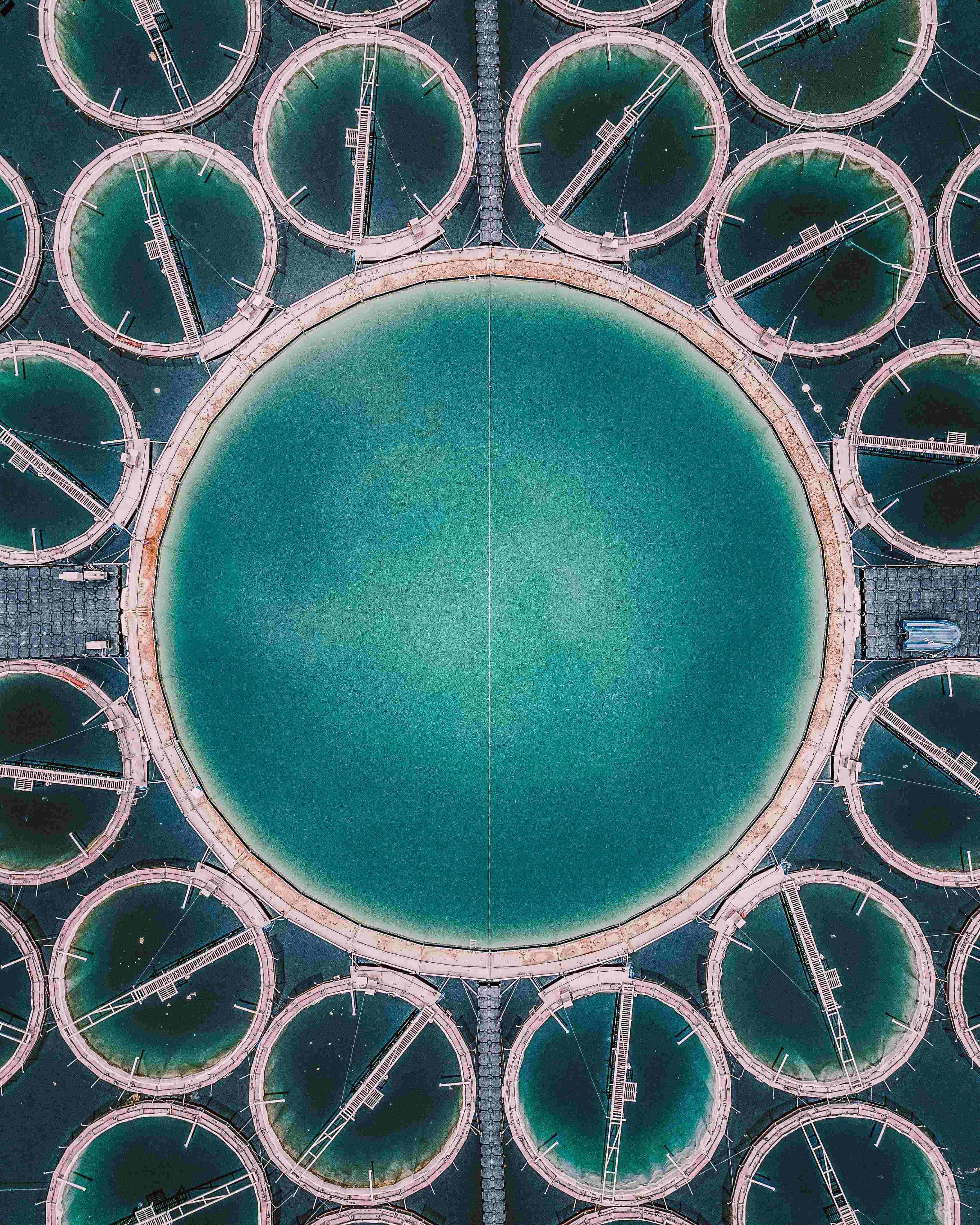
Several episodes of exceptional intensity heatwaves have occurred in France in recent weeks, putting many sectors under pressure. Among them, aquaculture is particularly affected. The significant increase in water temperature, a direct consequence of repeated heatwaves, is now one of the main challenges facing aquaculture farms, whether on land or at sea. It is now an operational reality that impacts daily breeding conditions, fish growth, and in the most severe cases, the survival of stocks.
Behind each product on the market are several years of work, investment, and constant monitoring. A sudden rise in temperatures can jeopardize the results of several production cycles in just a few days and lead to considerable economic losses. The consequences are multiple:
- Slowdown in fish growth,
- Physiological stress,
- Decrease in oxygen in the water,
- Weakening of the immune system and,
- in the most extreme situations, massive mortality
Natural risks are determining factors of loss frequency to which insurers are particularly sensitive when studying risks. Faced with the repetition of heatwave episodes, the adaptability of aquaculture farms becomes a central issue in order to preserve production and secure livestock.
Preventing heat stress: a daily challenge for operators.
Faced with the increasing episodes of high temperatures, operators must constantly adapt their prevention measures. To limit the effects of heat stress, professionals rely on several tools: genetic selection, vaccination, and zootechnics.
Genetic selection programs aim to identify strains that are more resistant to temperature variations, while vaccination helps strengthen the fish's resistance to diseases that develop more easily in warm waters. The daily management of aquaculture also plays a crucial role: operators constantly monitor the weather conditions and water quality to adjust their practices in real time. Feeding is adjusted according to observed temperatures, and may even be stopped during the most critical periods. Maximizing water renewal and circulation helps maintain optimal oxygen levels. Other solutions are also being developed, such as the use of photovoltaic shades, which help limit water temperature rise and reduce fish stress.
These measures demonstrate the ability of a sector to adapt to increasingly demanding production conditions. However, they require significant human, technical, and financial resources. Despite these efforts, the risk cannot be completely controlled. Insurance then acts as an additional safety net, intended to protect the economic balance of the operation when a major event occurs.
AquaSecure: preserving the economic viability of farms.
When an extreme weather event occurs, the robustness of the insurance program becomes a determining factor in preserving the economic balance of the operation. The AquaSecure contract covers livestock mortality resulting from climatic events, especially when an exceptional warming of the water affects breeding conditions. It can also provide additional compensation for transportation, disposal, or disinfection costs following a disaster. Beyond direct losses related to fish, a heatwave can permanently weaken the activity of an operation by compromising several years of investment, work, and expenses incurred.
It is in this context that a "Business Interruption" insurance policy takes on its full meaning. Its objective is not only to cover losses related to livestock, but also to mitigate the financial consequences of a disaster on the activity. Adequate and personalized insurance coverage is therefore an essential lever to preserve the sustainability of the operation in the face of the increasing frequency of extreme weather events.