
 Austria
 Belgium
 Denmark
 Estonia
 Finland
 France
 Germany
 Greece
 Iceland
 Ireland
 Italy
Italy
 Liechtenstein
 Netherland
 Norway
 Poland
 Portugal
 Spain
Spain
 Sweden
 Switzerland
 Turkey
 United Kingdom
 Australia
 Fiji
Fiji
 Hong Kong
 India
India
 New Zealand
 Indonesia
 Japan
Japan
 Malaysia
 Philippines
 Singapore
 Thailand
 Brazil
 Chile
Chile
 Colombia
 Mexico
 Peru
Peru
 USA
USA
 Bahrain
 Israel
 Morocco
 Oman
Oman
 Saudi Arabia
 Tanzania
 UAE
UAE
From innovation to insurability: unlocking insurance solutions for emerging energy technologies
 Prefer us on Google


Technology development across the energy transition is accelerating at an unprecedented pace, from large-scale renewable generation and energy storage to entirely new value chains such as hydrogen.
While innovations are growing to enable global decarbonisation targets, the progression remains uneven. Some technologies, such as flow and sodium-ion batteries, are failing to achieve commercial viability, leaving developers exposed to a high risk of stranded assets. Others, like wave energy or sea turbines, offer considerable long-term potential but are so novel in their design, scale or application that securing insurance and financial backing can present fundamental challenges to overcome.
This is creating a growing disconnect between innovation and insurability. The speed of technological advancement is often outpacing the insurance solutions behind them. Limited long-term performance data, combined with a lack of comparable technologies, has made it difficult to model exposure accurately and often means traditional approaches are not applicable. As a result, uncertainty around risk pricing, coverage scope and insurer capacity is becoming an increasingly critical consideration for developers, investors and lenders alike.
Why is insurability under pressure?
Lack of historical data and prototype risk
Many innovative technologies such as new, larger wind turbines and solid-state batteries are deemed unproven or prototypical. As a result, insurers often impose restrictive "defects exclusion" clauses, such as moving from LEG 2/96 (which covers some design defects) to the more restrictive LEG 1/96. This can significantly jeopardise project bankability. Where core technology risks, particularly design and performance failure, are not adequately insured, material exposures remain with developers and contractors. This can undermine lender confidence, complicate contractual risk allocation and, in some case, delay or prevent projects from reaching financial close.
On top of this, the lack of long-term, reliable performance data means insurers cannot accurately price risks. This has contributed to high-value, recurring losses, particularly in battery energy storage systems (BESS) and offshore wind, often resulting in higher deductibles and reduced coverage.
Serial loss and scaling challenges
New technologies may also present initial deployment exposures. Lithium-ion batteries, for example, present several severe risks, including thermal runaway, fires that are difficult to extinguish, and the potential for toxic gas release.
Manufacturing and installation defects remain a key concern. Solar panels, for instance, are susceptible to microcracking during transport or installation, which can inhibit long-term performance. In the wind sector, premature failure of critical components, such as blade pitch bearings, has caused "serial losses," where defects affect multiple units across an entire asset fleet.
At the same time, modern energy systems are highly digitalised and remotely controlled, making them vulnerable to cyberattacks that can cause physical damage, disrupt operations, and compromise wider grid stability.
Supply chain and contractor limitations
The rapid, global expansion of renewable energy projects has placed significant strain on both supply chains and the availability of skilled labour. A shortage of qualified personnel can result in suboptimal workmanship and poor installation, increasing the likelihood of high-value losses arising from contractor error.
This is compounded by the fact that supply chains remain constrained by shortages of critical materials, such as rare earth elements used in turbine manufacturing, and long lead times for specialised equipment, including heavy-lift cranes required for large-scale installations. These pressures greatly increase the risk of project delays and therefore subsequent business interruption claims.
Climate and location exposure
Renewable energy assets such as solar and wind farms are often located in remote, low-value onshore or offshore environments, where land availability and resource quality are prioritised. Naturally these locations can make assets highly susceptible to damage from increasingly frequent and severe weather events, such as hurricanes, floods, and hailstorms.
This escalating exposure to physical climate risk is driving higher loss frequency and severity, placing additional pressure on insurance capacity and pricing.
In addition, operational risk factors, such as improper vegetation management around solar farms in hot, dry areas can greatly increase the likelihood of fast-spreading fires, further amplifying potential losses.
Regulatory and financial uncertainty
Inconsistent and rapidly changing government policies, subsidies, and regulations across jurisdictions create uncertainty, making it hard to predict long-term project risks.
Inconsistency between the federal government and the states include:
The federal Renewable Energy Target (RET) was reduced in 2015 (from 41,000 GWh to 33,000 GWh) and not extended beyond 2020. Meanwhile, states introduced their own aggressive targets:
- ACT: 100% renewable electricity
- Tasmania: 100%
- Victoria: 40%+
- Queensland: 50% by 2030
The inconsistent signals on fossil fuel use in the electricity generation market include $22 billion funding support for renewables, but at the same time, providing tax credits for coal stations.
State-based inconsistencies include:
- Energy policy is set at state level but operates within national laws, creating complexity.
- Western Australia operates a completely separate electricity market (WEM) from the National Electricity Market.
- Even within the NEM, rules are applied differently (e.g. Victoria modifies connection rules) .
- Grid connection requirements vary by state and by network service provider, causing a “fragmented” regulatory environment.
Closing the gap: how insurance is adapting to emerging energy risks
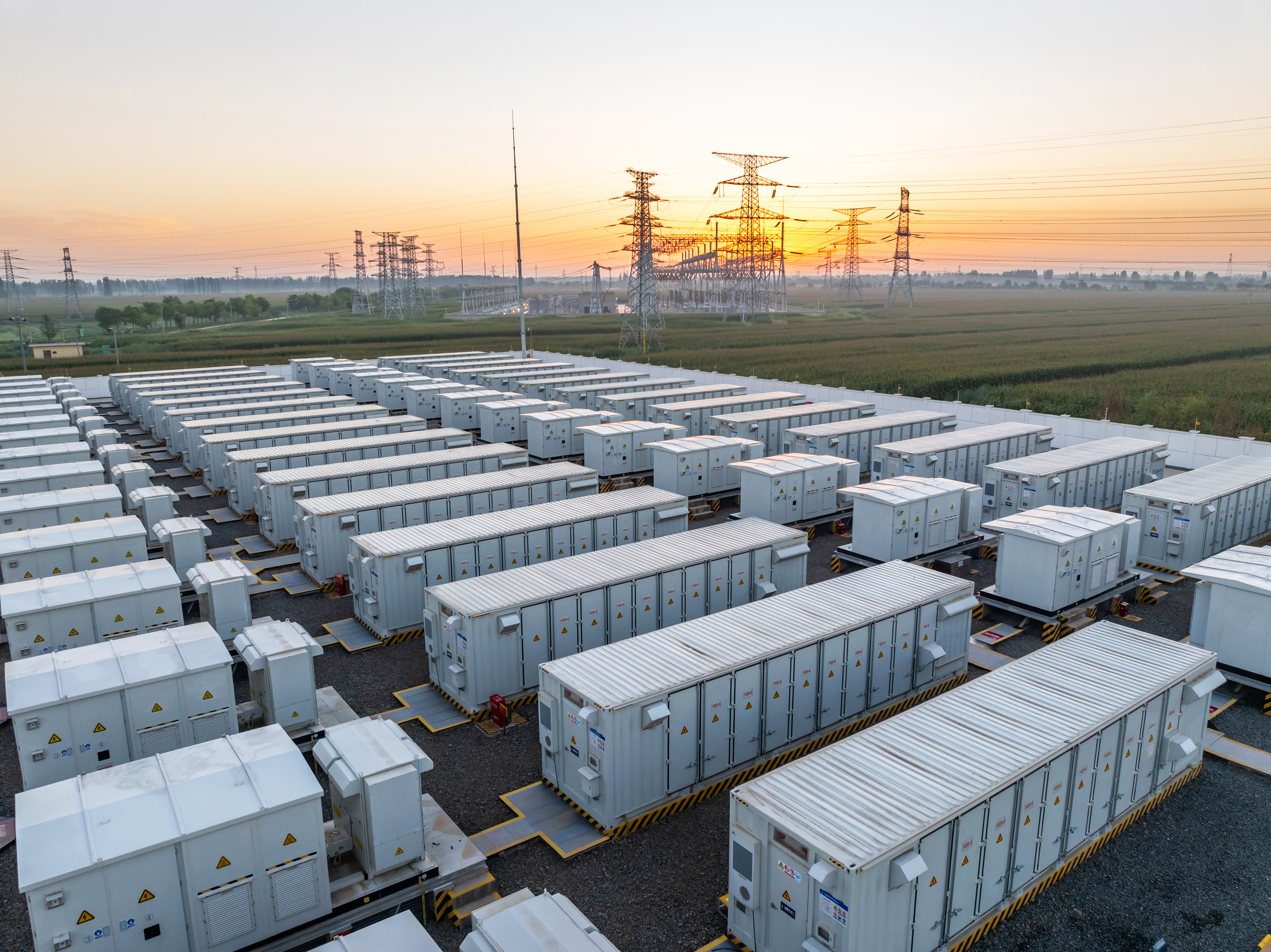
Battery Energy Storage Systems (BESS):
• Performance & Warranty Coverage: Specialised, data-driven insurance that covers degradation, efficiency, and capacity losses.
• Battery Health-Linked Premiums: Premiums adjusted based on real-time data from IoT devices monitoring cell health.
• Fire/Thermal Runaway Protection: Specific coverage for risks associated with lithium-ion and other advanced chemistries.
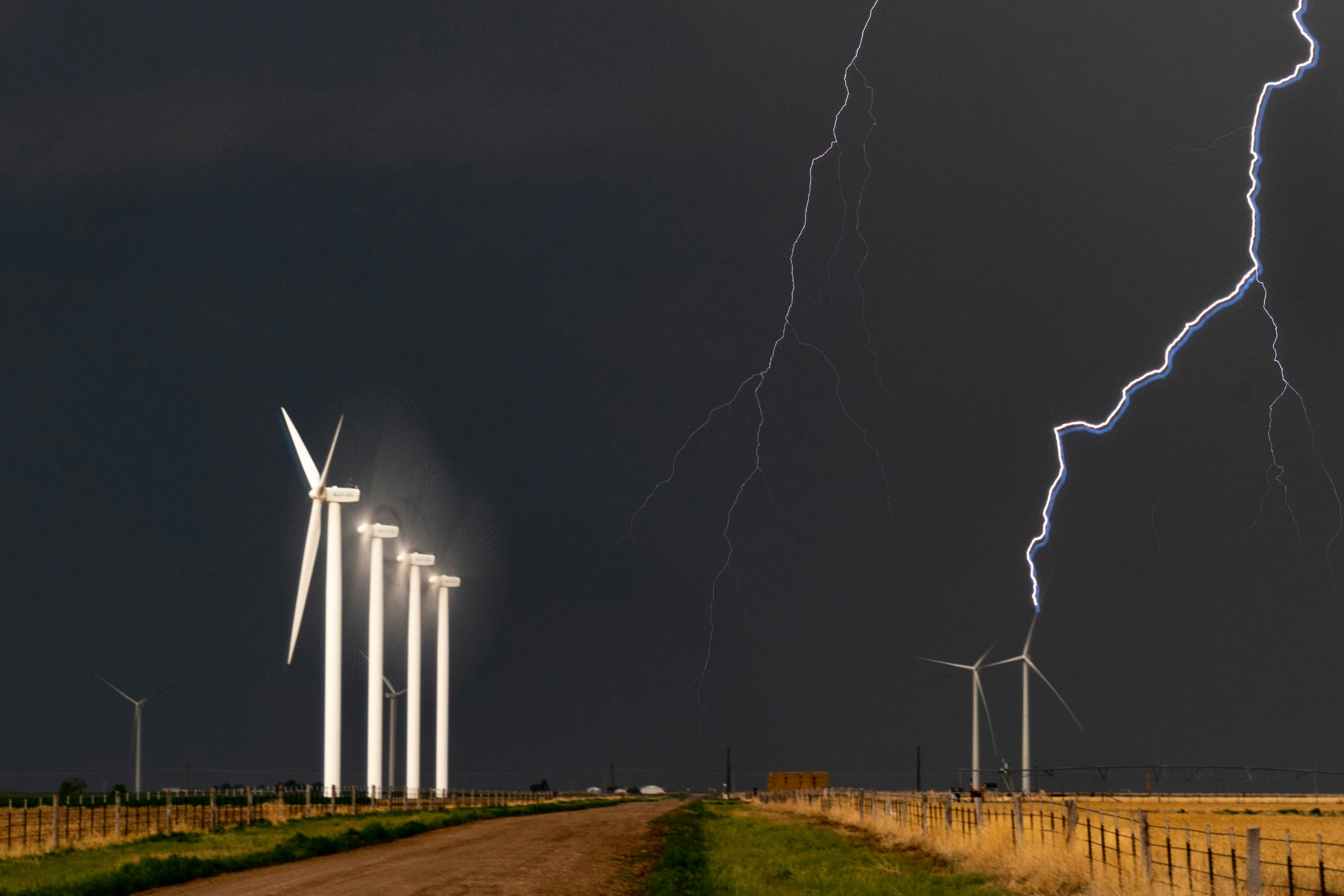
Renewable Generation (Solar/Wind):
• Parametric Insurance: Policies that trigger automated payouts based on data (e.g., wind speed, solar irradiance) rather than direct damage assessments. This produces a faster payout to operators because clients are not waiting on damage and loss of income assessments. The trigger event e.g. hailstone, causes the payment to occur.
• Advanced Property & Casualty (P&C): Coverage for extreme weather (natural catastrophe) risk for high-value components. The risk exposures to natural perils are assessed to a high degree of detail enabling an accurate pricing model, such as detailed bush fire mapping along electricity transmission lines.
Hydrogen Economy:
• Full Value Chain Insurance: Cover spanning production, transportation, and storage. Within the hydrogen economy risk is not confined to a single asset or phase, it spans production, storage, transport, and end use, each with distinct and interdependent uncertainties. Without integrated coverage, gaps emerge that threaten project bankability and operational resilience.
• Prototype & Performance Risk: Coverage for initial deployments of electrolyzers and storage tanks. Developers can have peace of mind in the instance where technology does not perform as expected. Essentially making it possible for investors to move projects from pilot plants into commercial scale operations.

What this means for developers and investors
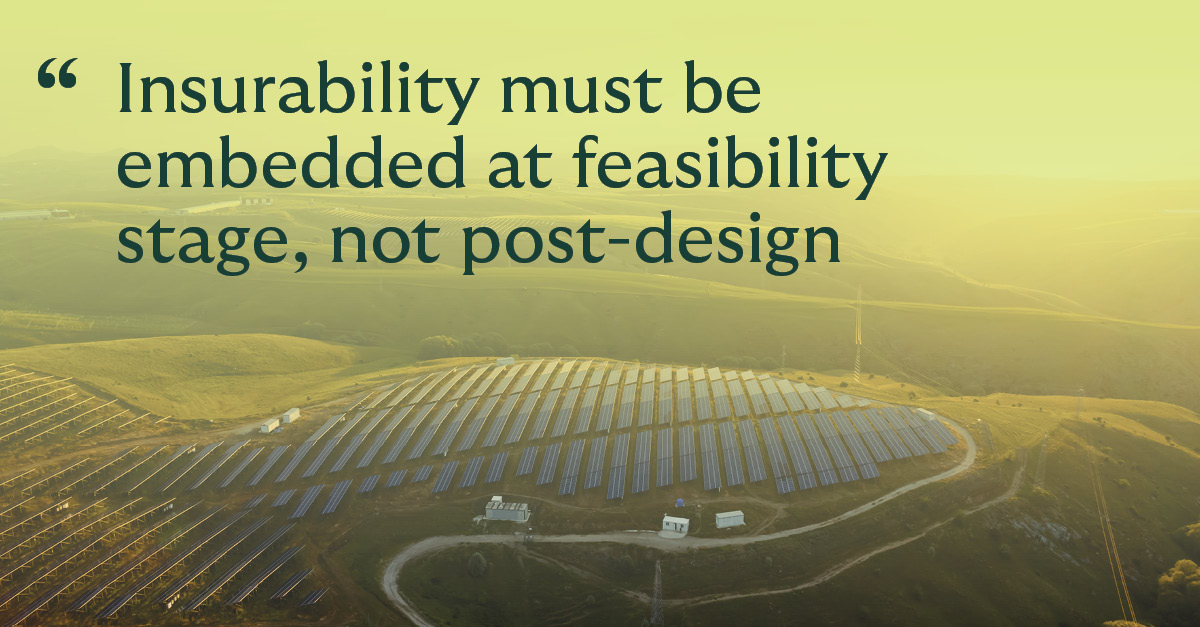
- Insurability must be embedded at feasibility stage, not post-design.
Early engagement allows stakeholders to align technology, design and delivery with available risk transfer solutions, preventing late-stage constraints. - Expect tighter coverage for emerging technologies and plan risk allocation accordingly.
Developers should expect tighter insurance coverage, exclusions, and higher deductibles. Proactively allocating risk is critical to maintaining bankability. - Contracting strategy is now inseparable from insurance strategy.
Insurability increasingly depends on contractual risk allocation, which requires close coordination across legal, technical and insurance teams. - Early-stage data capture is becoming a key enabler or insurability.
Early investment in data and performance monitoring improves insurers confidence, supporting broader coverage and more competitive pricing over time. - Insurance is shifting from protection to an enabler of capital.
Well-structured solutions can unlock project finance, de-risk first-of-a-kind assets and support scale. - Specialist expertise is critical.
Emerging risks require brokers who can translate technical complexity into insurable structures and engage the market early to develop tailored solutions.
Setting the right foundations for insurability
Innovation in the energy transition sector and insurability can coexist, but only with early broker engagement, disciplined contracting, and realistic insurance alignment. As a developer it’s critical to engage with the insurance market to better understand your project’s exposures, and how these can be addressed through a range of risk transfer solutions.
For emerging technologies, developers should expect tighter coverage and plan proactively from the earliest stages of contract negotiations. When structured effectively, this enables risk to be allocated to the parties best placed to manage them, supporting a more robust and bankable project structure.
Navigating these challenges requires more than access to insurance capacity; it requires brokers who can operate at the intersection of technology, data and capital. As projects advance across emerging technology fronts, the ability to translate complex technical risks into insurable structures, and to develop the necessary tailored solutions, becomes critical in producing bankable outcomes.
Fit for purpose insurance placements play a critical role in enabling access to project finance, accelerating the transition of novel energy technologies from a first of a kind to scaled deployment.