
 Austria
 Belgium
 Denmark
 Estonia
 Finland
 France
 Germany
 Greece
 Iceland
 Ireland
 Italy
Italy
 Liechtenstein
 Netherland
 Norway
 Poland
 Portugal
 Spain
Spain
 Sweden
 Switzerland
 Turkey
 United Kingdom
 Australia
 Fiji
Fiji
 Hong Kong
 India
India
 New Zealand
 Indonesia
 Japan
Japan
 Malaysia
 Philippines
 Singapore
 Thailand
 Brazil
 Chile
Chile
 Colombia
 Mexico
 Peru
Peru
 USA
USA
 Bahrain
 Israel
 Morocco
 Oman
Oman
 Saudi Arabia
 Tanzania
 UAE
UAE
H5N1 Avian Influenza: pathways to disruption
 Prefer us on Google


Summary
Executive Summary
Australia’s H5N1 risk profile has changed materially following recent detections of highly pathogenic avian influenza (H5N1) in wildlife and increasing circulation across the Southern Hemisphere.
While Australia has experienced several avian influenza outbreaks in recent years, including H7 outbreaks affecting poultry farms in Victoria, New South Wales and the Australian Capital Territory, these emerged within domestic poultry populations and were successfully contained through movement restrictions, biosecurity measures and culling.
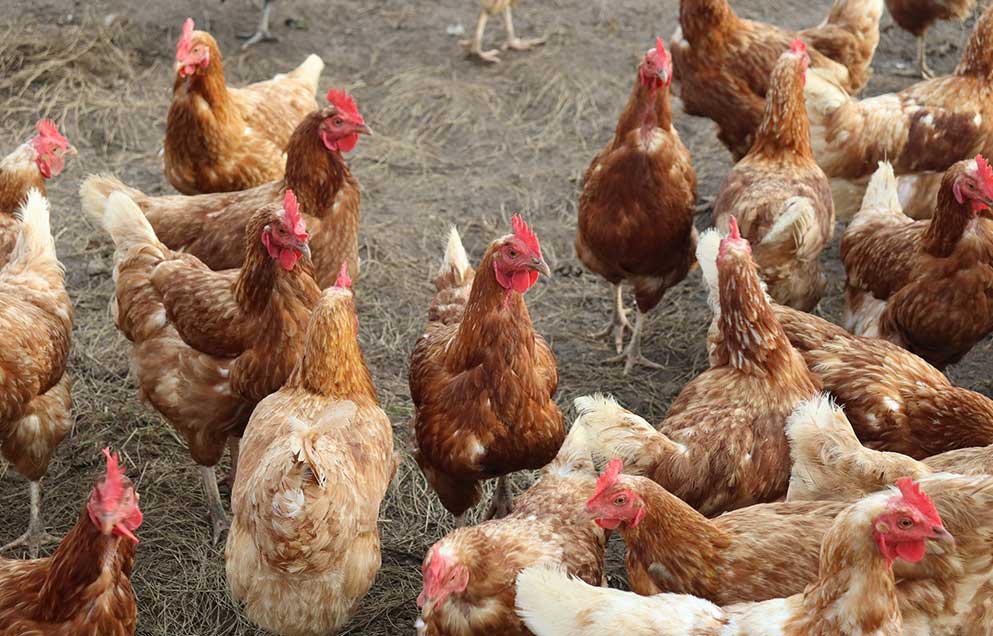
The current H5N1 threat is fundamentally different. Unlike previous Australian outbreaks, the global H5N1 Clade 2 strain has become established within wild bird populations across multiple continents and continues to spread through migratory bird pathways and wildlife reservoirs. As a result, many countries are now experiencing recurring outbreaks across multiple seasons rather than isolated disease events. This ongoing circulation creates repeated opportunities for transmission into commercial poultry operations and susceptible wildlife populations, making outbreaks more difficult to prevent and increasing the risk of sustained economic, environmental and agricultural disruption.
There is currently no commercial poultry outbreaks in Australia and the human health risk remains low. However, international experience shows that once H5N1 becomes established in wildlife, the greatest impacts are felt through agriculture, food production, wildlife mortality and environmental disruption rather than human illness. Commercial poultry outbreaks can trigger movement controls, mass culling, farm shutdowns, processing disruption and supply shortages across food manufacturing, grocery retail and hospitality. Outbreaks overseas have shown how quickly egg shortages, purchase limits and food price increases can emerge.
Beyond agriculture, H5N1 has caused significant mortality among seabirds, penguins, seals, sea lions and other wildlife, with potential consequences for wildlife tourism, conservation programs, national parks and regional economies. Australia’s disruption pathway is already active. Current detections have increased surveillance, preparedness and biosecurity measures, with the greatest near-term organisational risk being disruption to food production, supply chains, consumer confidence and regional economies if the virus expands beyond wildlife.
Should H5N1 become established within Australian wildlife populations, organisations may need to move beyond short-term contingency planning and adopt longer-term adaptation strategies. These may include diversifying supply chains, alternative sourcing, reformulating egg-dependent products and adjusting food service offerings. Governments and industry may also consider an expanded role for vaccination, although Australia’s current approach remains focused on surveillance, biosecurity and eradication. The greatest near-term risk is therefore not a human pandemic, but prolonged disruption to food production, agricultural supply chains, wildlife populations, tourism and associated industries.
Context
Highly pathogenic avian influenza (H5N1) is a highly contagious disease primarily affecting birds but capable of infecting a growing range of mammalian species. The current global outbreak has spread across Europe, Asia, North America, South America, Africa and Antarctica, representing the largest avian influenza event ever
recorded.
Why this is different to previous Australian outbreaks
Previous avian influenza outbreaks in Australia were predominantly caused by H7 strains that emerged within domestic poultry and were successfully eradicated through rapid detection, culling and movement controls. The current H5N1 strain differs because it is highly pathogenic, capable of causing severe disease and mortality in both poultry and a growing range of wild bird and mammalian species.
Why H5N1 changes Australia’s risk profile
The primary concern is not the initial detection but the potential for H5N1 to become established in wild bird populations and repeatedly spill over into poultry, wildlife and susceptible mammals. Unlike previous outbreaks, H5N1 has demonstrated an ability to persist in wildlife and re-emerge over multiple seasons, shifting the challenge from managing isolated outbreaks to responding to an ongoing biosecurity and economic disruption risk.
Japan provides a useful comparison for Australia. Despite world-class biosecurity and surveillance, it continues to experience recurring H5N1 outbreaks, resulting in repeated culling, food supply disruption and rising production costs. This demonstrates that once H5N1 becomes established in migratory bird pathways, industries may need to adapt to a prolonged operating environment rather than expect a one-off event.
Broader risks to Australia’s export industries
The emergence of infections within US dairy cattle highlights the virus’s ability to infect a broader range of mammalian species under certain conditions. Any future spillover into livestock industries could create additional risks for trade, export and market confidence, particularly for Australia’s globally significant beef sector. However, Australia’s agricultural environment differs significantly from the US, with different industry structures, animal movement patterns and operational practices. As such, the US experience should be viewed as an indicator of the virus’s potential adaptability rather than a direct predictor of Australia’s most likely disruption pathway.
Key insights
- Australia’s H5N1 disruption pathway is already active through wildlife detections and heightened surveillance.
- The first significant economic impacts are likely to emerge through poultry and egg production rather than human illness.
- Egg supply is likely to be affected earlier and more significantly than chicken meat production due to flock replacement timeframes.
- International experience demonstrates that food supply disruption and food inflation often occur well before public health concerns emerge.
- Australia has established preparedness and response arrangements for H5N1 through the Australian Veterinary Emergency Plan (AUSVETPLAN), supported by national wildlife surveillance and biosecurity frameworks.
- Wildlife mortality events have the potential to affect tourism, conservation programs and regional economies.
- Once established within wildlife populations, repeated outbreaks can become difficult to prevent.
- Human health impacts remain a secondary concern, with the current risk to the general public remaining low.
Impacts for Australia
If H5N1 becomes established in Australia, the impacts are likely to extend well beyond poultry production. International experience demonstrates that disruption can quickly spread across food supply chains, regional economies, tourism and supporting industries.
| Primary impacts | Secondary impacts | Key vulnerabilities |
|
|
|
Scenario 1
Event: Wildlife Detection and Biosecurity Escalation
Timing: Already underway
This scenario is currently active. H5N1 has been detected in migratory birds within Australia, triggering increased surveillance, testing and preparedness activities by government agencies, poultry operators, wildlife organisation’s and industry groups. While no commercial poultry outbreak has occurred, the detection changes the risk environment from a future threat to an active biosecurity challenge. Organisations exposed to agriculture, food production, wildlife management and tourism are likely to experience increased scrutiny, planning requirements and operational costs as authorities seek to identify and contain potential spread pathways.
At this stage, the impacts are primarily precautionary. However, experience from overseas demonstrates that public concern, media attention and misinformation can emerge well before significant disease impacts occur. This can influence consumer behaviour, purchasing patterns and confidence in food safety despite the low
risk to the broader community.
To manage these risks, organisations should monitor public sentiment, prepare clear communications regarding food safety and biosecurity measures, and assess potential impacts on consumer confidence, sales and stakeholder expectations. Effective public messaging will be critical to reduce unnecessary economic disruption while surveillance and preparedness activities continue.
Business implications
- Enhanced wildlife surveillance, testing and reporting requirements
- Strengthened farm biosecurity measures, movement controls and visitor restrictions
- Additional preparedness, contingency planning and response activities
- Increased operational costs associated with prevention and compliance
- Reduced consumer confidence driven by food safety concerns and misinformation
- Increased media scrutiny, stakeholder enquiries and reputational risk for industry
Scenario 2
Event: Poultry Outbreak and Food Supply Disruption
Timing: 4 to 12 weeks
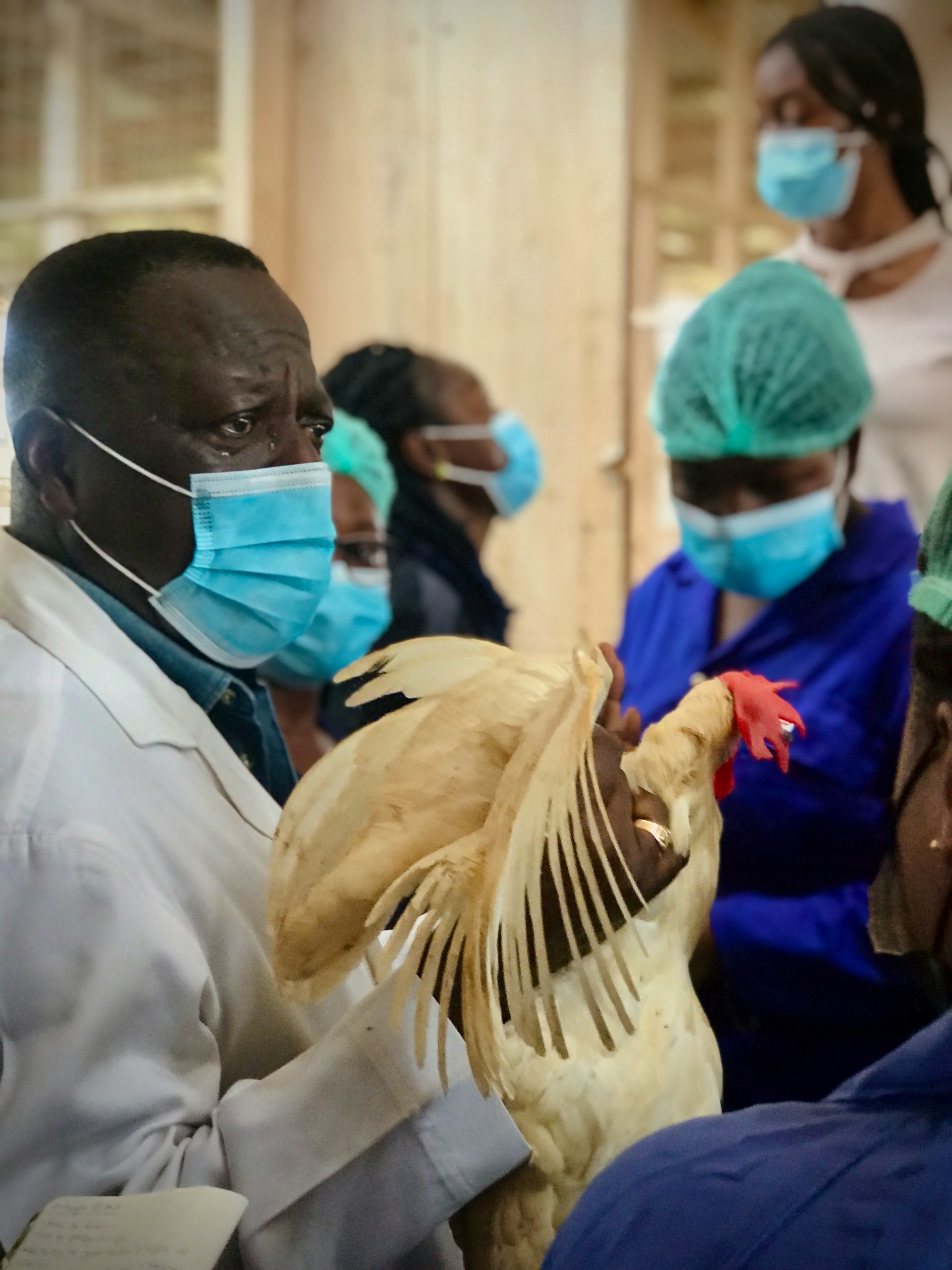
This scenario emerges if H5N1 spreads from wild bird populations into commercial poultry operations. The likely response would involve quarantine measures, movement controls, tracing, culling operations and enhanced biosecurity requirements. While outbreaks may initially remain geographically contained, impacts are likely to be felt rapidly across poultry and egg supply chains.
Recent H7 avian influenza outbreaks in Victoria, New South Wales and the ACT demonstrated how quickly retailers experienced egg shortages and supply constraints despite outbreaks remaining localised. A H5N1 outbreak affecting multiple commercial poultry operations, particularly across major production regions, could cause more significant and prolonged disruption due to the virus’s ability to persist and re-emerge from wildlife populations.
Food manufacturers, supermarkets and hospitality operators are likely to be affected early as supply tightens and producers prioritise contractual obligations and essential distribution channels. While local producers may experience increased demand, their ability to replace lost production will be constrained by flock availability, processing capacity, transport networks and biosecurity controls. Businesses should assess supplier capacity, map critical supply chains, review inventory levels and establish contingency sourcing arrangements before an outbreak occurs, particularly across the food production, retail, hospitality and logistics sectors.
Business implications
- Commercial poultry flock losses and large-scale culling operations
- Reduced egg and poultry production, resulting in shortages and price increases
- Farm quarantines, movement restrictions and supply chain disruption
- Food manufacturing, processing and distribution disruptions
- Increased costs and margin pressure across food manufacturers and the hospitality sector
- Consumer stockpiling, food inflation and broader supply chain volatility.
Scenario 3
Event: Long-Term Economic Consequences
Timing: 6 months +
This represents the highest-consequence and longest-duration scenario. H5N1 becomes established within Australian wildlife populations, creating a persistent reservoir capable of generating recurring outbreaks over many years. The challenge shifts from managing isolated outbreaks to addressing long-term environmental, tourism and biodiversity impacts. International experience shows that once H5N1 becomes established in wildlife, eradication is extremely difficult. Recurring outbreaks can cause ongoing bird mortality, affect susceptible mammalian species and place sustained pressure on conservation programs, environmental agencies and regional economies. Consequences extend beyond individual outbreaks, reducing ecosystem resilience, biodiversity and the attractiveness of wildlife tourism destinations. Repeated spillover into commercial poultry operations could also create ongoing economic impacts and prolonged pressure on food supply chains.
Organisations should prepare for recurring disruption rather than a single event, particularly where operations depend on wildlife, tourism, agriculture, or egg and poultry-dependent supply chains. This may include diversifying suppliers, identifying alternative ingredients and reviewing long-term sourcing arrangements. Food manufacturers, retailers, bakeries and hospitality operators may need to consider product reformulation, egg alternatives and menu adjustments, while tourism and conservation organisations should assess potential impacts to wildlife assets, visitor demand and conservation activities.
Business implications
- H5N1 becomes established in wildlife, resulting in recurring outbreaks
- Long-term bird mortality, biodiversity decline and reduced ecosystem resilience
- Increased infections in susceptible mammalian species and threatened wildlife
- Reduced nature-based tourism and economic impacts for regional communities
- Recurring spillover into commercial poultry operations and agricultural industries
- Persistent egg and poultry supply disruption, food price volatility and inflation
- Long-term adaptation by food producers through supplier diversification, ingredient substitution and product reformulation
Pandemic Risks of H5N1
At present, the risk of H5N1 causing a human pandemic remains low. Human infections continue to occur only sporadically and are overwhelmingly associated with close, prolonged exposure to infected poultry or contaminated environments. Sustained human-to-human transmission has not been demonstrated, and the virus currently lacks the characteristics required to spread efficiently between people. Public health agencies, including the World Health Organisation, continue to assess the risk to the general population as low.
Historically, laboratory-confirmed human H5N1 infections have been associated with a high reported case fatality rate of approximately 50%, with most cases occurring in Asia and involving individuals with significant exposure to infected birds. However, this figure reflects severe, confirmed cases rather than the likely mortality of a future pandemic and should not be interpreted as an expected pandemic fatality rate.
The pandemic risk would increase if the virus acquired genetic changes enabling efficient respiratory transmission between humans. This is more likely if H5N1 continues circulating widely in birds and mammals, increasing opportunities for viral adaptation or reassortment with human influenza viruses. Of particular concern is infection in species such as pigs, which can be infected by both avian and human influenza viruses, creating opportunities for the virus to change and potentially adapt in ways that increase future risks.
Key indicators that would signal an increasing pandemic risk include:
- Genetic mutations associated with improved human receptor binding or airborne spread
- Increasing infections in mammalian species, particularly those with close contact to humans
- Clusters of unexplained human cases without direct exposure to infected birds or animals
- Sustained human-to-human transmission
- World Health Organization or national public health agencies elevating pandemic alert levels
While organisations should continue to monitor these developments, the most credible and immediate risk for Australia remains a biosecurity and supply chain disruption event rather than a human pandemic. Current planning should therefore prioritise impacts on agriculture, food production, logistics, tourism and wildlife management while maintaining awareness of any changes that could alter the public health risk.

Strategic outlook
The emergence of H5N1 as a global panzootic represents a significant shift in Australia’s biosecurity environment. Historically, Australia’s geographic isolation and strong biosecurity framework have enabled the country to remain free from many of the major animal diseases affecting other regions. However, the establishment of H5N1 within migratory bird pathways and wildlife populations challenges the traditional assumption that disease threats can be prevented solely through border controls and outbreak containment measures.
The key question for Australia is not whether individual outbreaks can be managed, but whether the country can adapt to the possibility of recurring outbreaks over multiple seasons. International experience suggests that once highly pathogenic avian influenza becomes established within wildlife populations, the challenge shifts from eradication to long-term management and resilience.
For Australia, the implications extend beyond poultry production. The country’s unique biodiversity, globally recognised wildlife tourism sector, significant agricultural industries and regional communities may all be exposed to the consequences of prolonged disease circulation. At the same time, any disruption would occur against a backdrop of ongoing cost-of-living pressures, supply chain fragility and broader economic uncertainty.
While Australia’s preparedness arrangements provide a strong foundation for surveillance, response and containment, the emergence of H5N1 highlights the growing interdependence between biosecurity, food security, environmental management and economic resilience. Organisations should therefore view H5N1 not solely as an animal health issue, but as a strategic risk capable of creating cascading impacts across multiple sectors of the Australian economy.
The long-term significance of H5N1 may ultimately be less about the scale of any single outbreak and more about how effectively governments, industries and communities adapt to a future where recurring biological disruption becomes an ongoing feature of the operating environment.
Key actions
- Review organisational exposure to poultry, eggs and poultry-derived
products - Identify alternative suppliers, substitute products and sourcing
arrangements - Assess supply chain vulnerabilities and critical dependencies
- Review inventory levels and contingency stock requirements
- Strengthen biosecurity controls for sites, facilities and operations
exposed to wildlife or poultry - Develop communication plans to address food safety concerns and
stakeholder enquiries - Prepare retailers and customer-facing organisations for potential
demand spikes, stock shortages and panic buying - Monitor misinformation and disinformation narratives that may
influence consumer behaviour or confidence - Conduct scenario exercises involving food supply disruption, shortages
and price volatility - Engage industry associations, suppliers and regulators regarding
preparedness activities - Review tourism, wildlife and environmental response arrangements
where relevant - Incorporate H5N1 disruption scenarios into crisis management,
business continuity and supply chain resilience planning
Industries most at risk
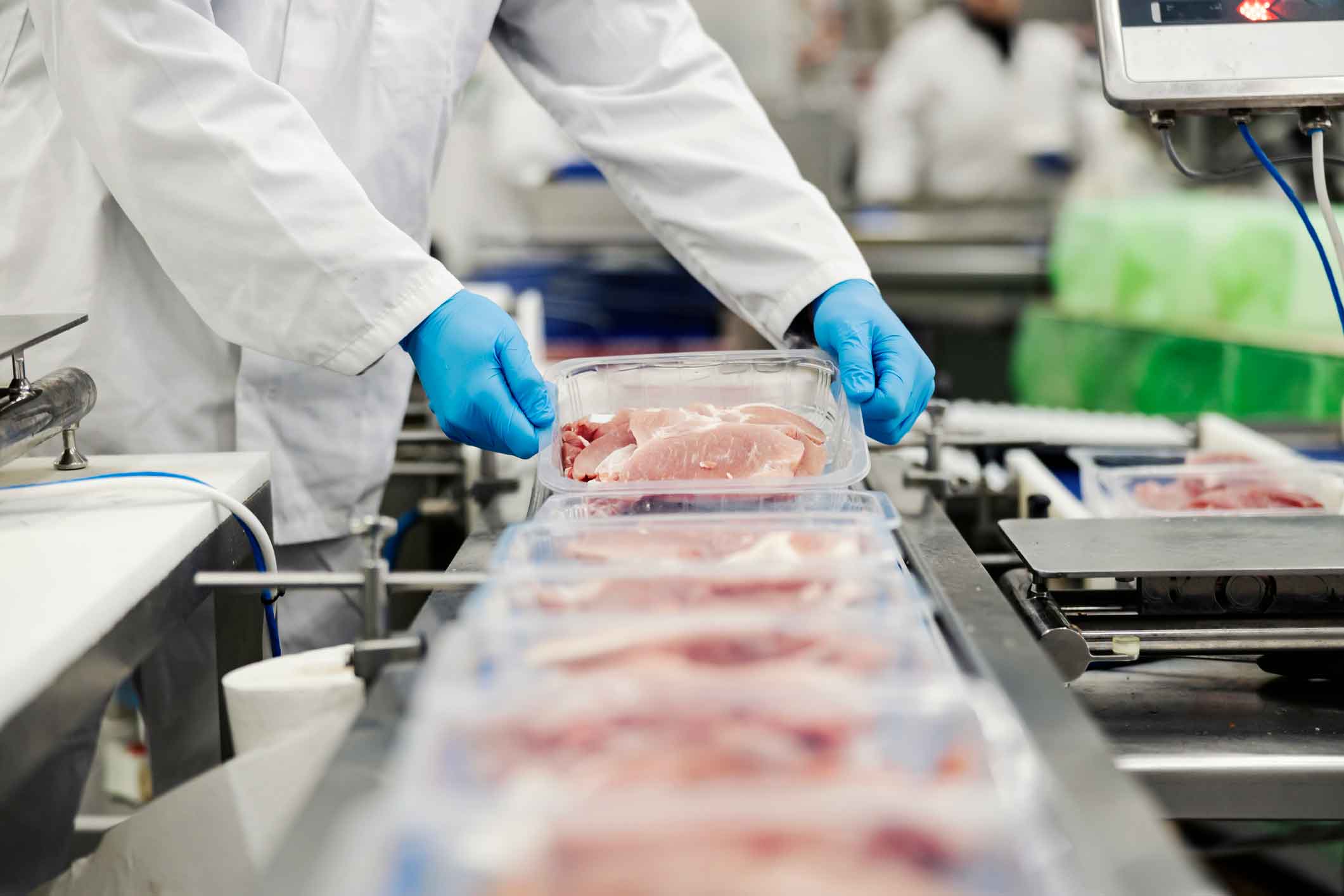
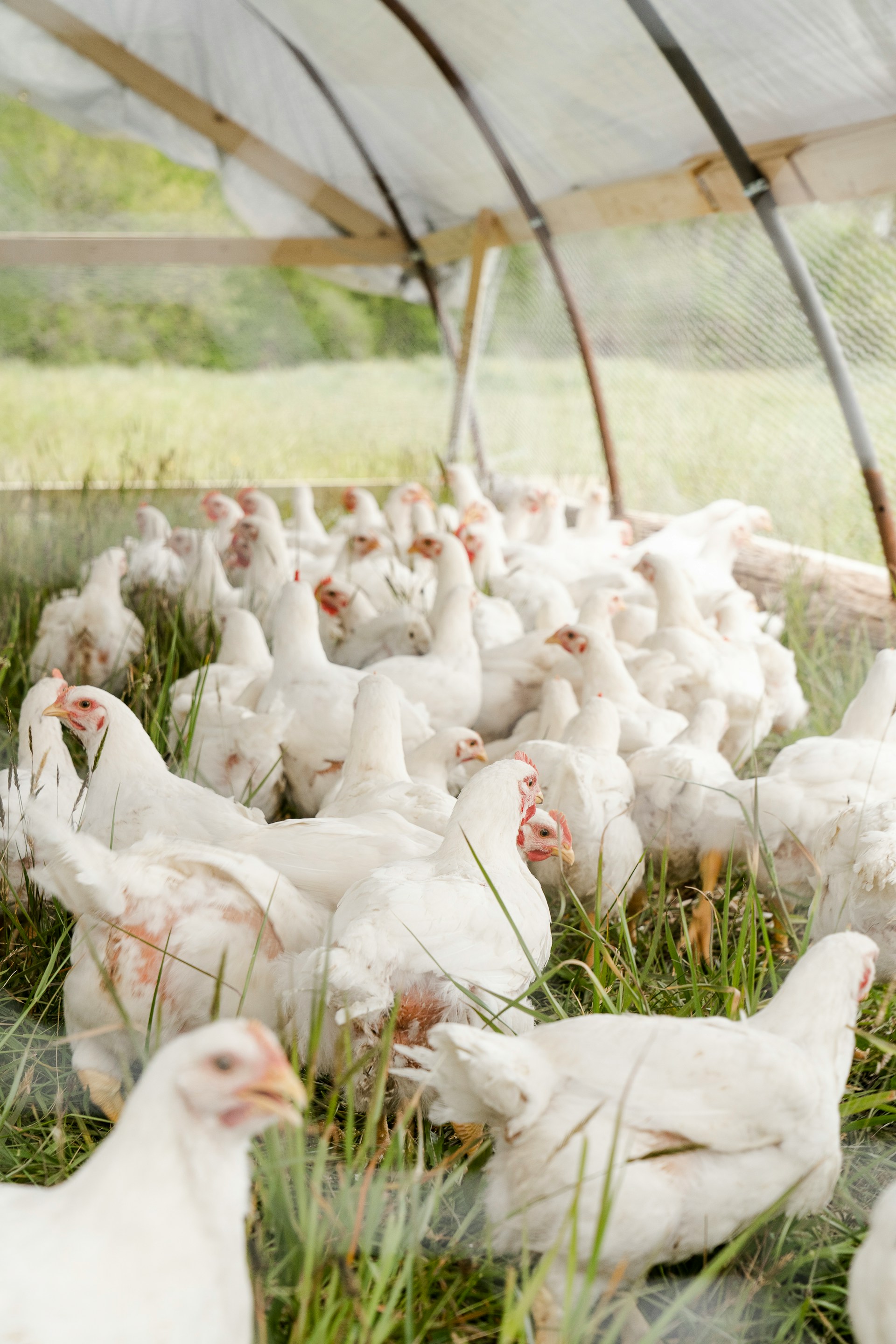
Agriculture and food production
Poultry production, egg production, food manufacturing
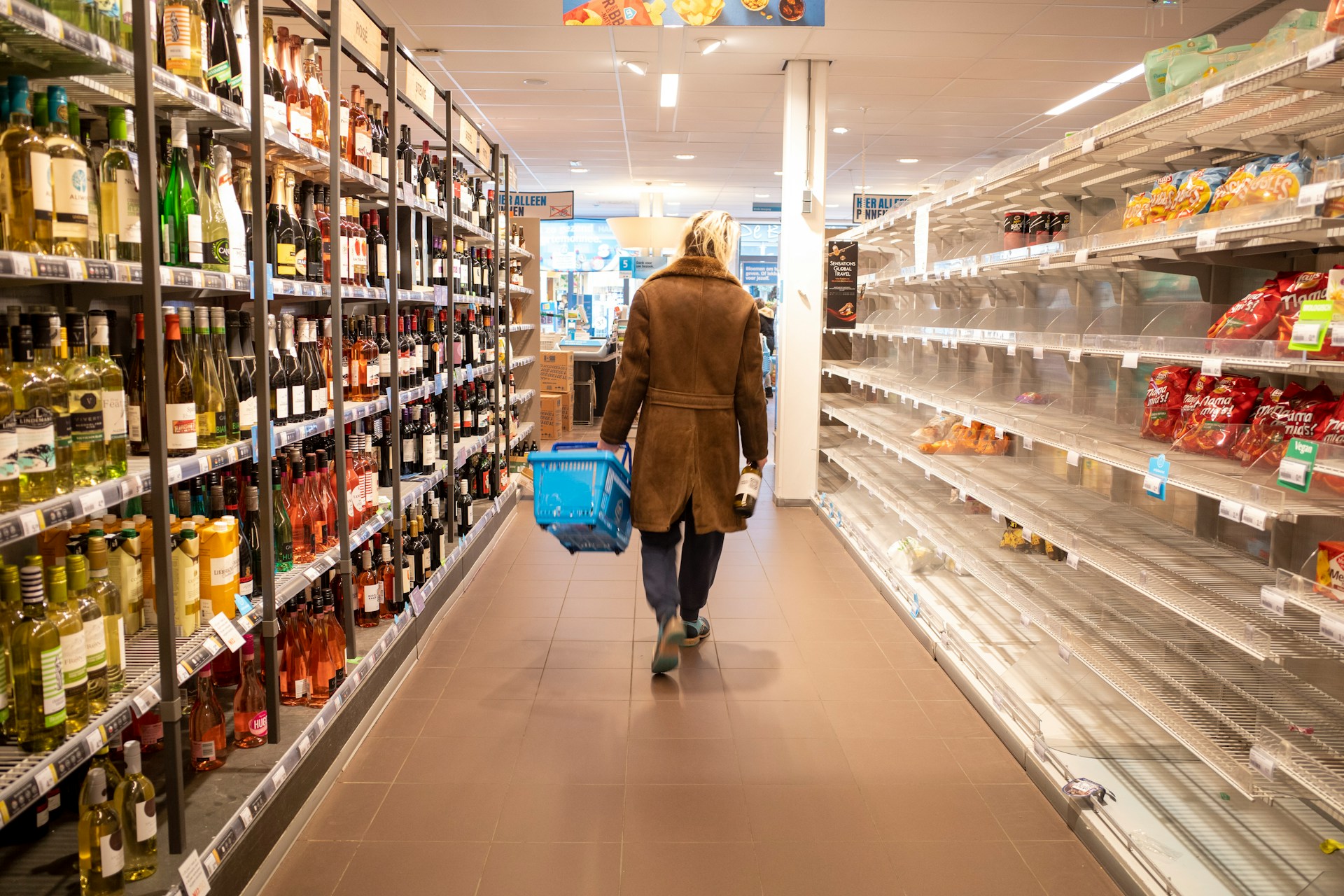
Distribution, retail and supply chain
Agricultural wholesalers and distributors, transport and logistics, supermarkets and grocery retail

Hospitality, tourism and accommodation
Hospitality and restaurants, food service and catering, tourism operators, accommodation providers
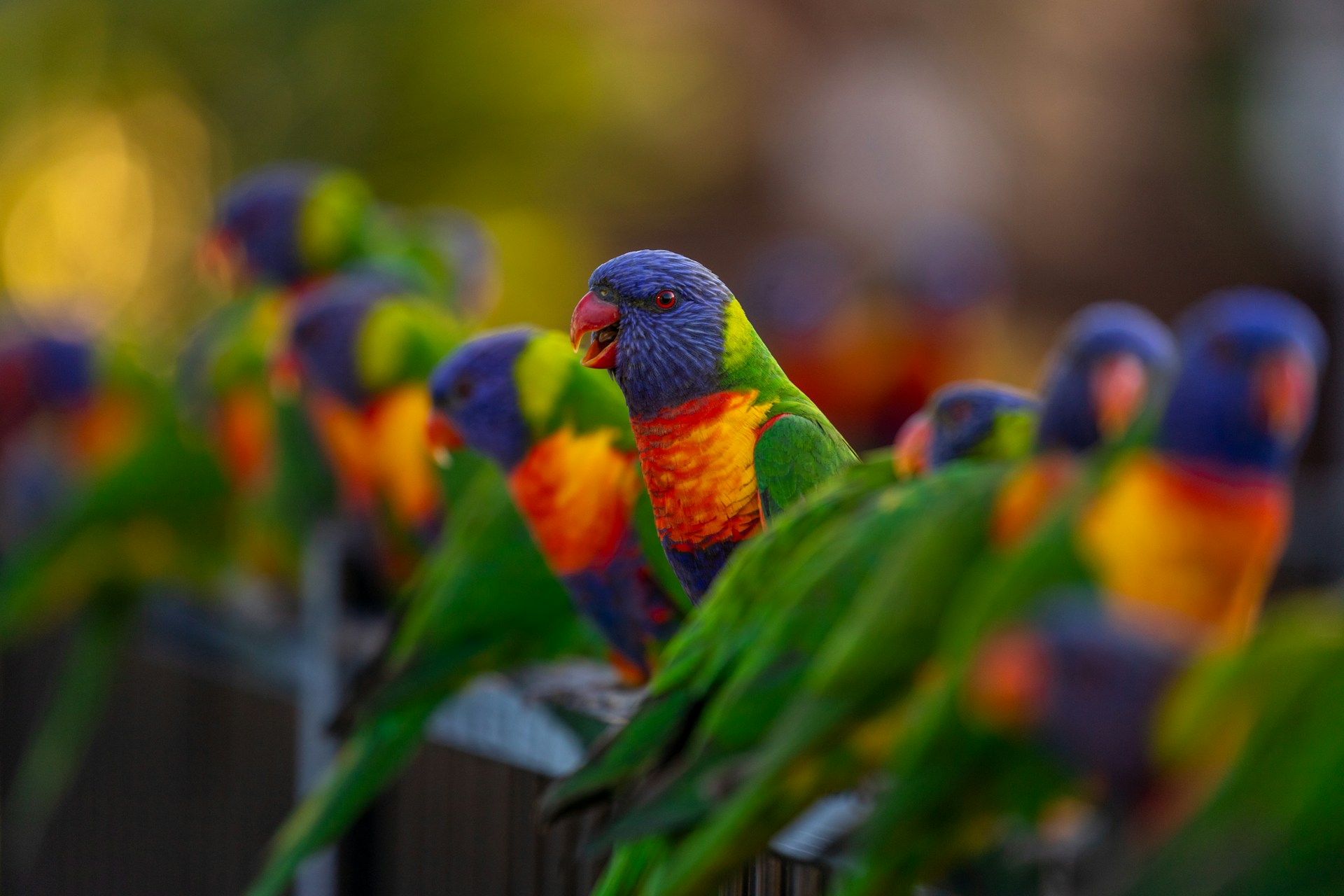
Environmental, conservation and wildlife
Zoos and wildlife parks, national parks and reserves, conservation organisations
Assumptions
Across all scenarios:
- Australia continues to experience elevated cost-of-living pressures
- Food, energy, insurance and transport costs remain above historical averages
- Geopolitical tensions and global supply chain disruptions continue to create market volatility
- Consumer confidence remains sensitive to further increases in essential household costs
- Governments continue to prioritise food security, biosecurity and economic resilience
Scenario 1 – Wildlife Detection
- H5N1 detections remain largely confined to wild bird populations
- No widespread commercial poultry outbreak occurs
- Public health risk remains low
- Surveillance, testing and biosecurity activities increase nationally
- Poultry, egg and food supply chains continue operating normally
- Public concern, media attention and misinformation increase despite limited direct impacts
- Governments and industry focus on preparedness and prevention measures.
Scenario 2 – Poultry Outbreak
- H5N1 enters one or more commercial poultry operations
- Culling, quarantine measures and movement restrictions are implemented
- Egg production is impacted before broader poultry supply
- Major retailers experience supply constraints and product allocation measures
- Food manufacturers, bakeries and hospitality operators experience supply disruption and rising costs
- Local producers face increased demand but have limited capacity to rapidly replace lost production
- Consumer stockpiling and purchasing behaviour contribute to market volatility
- Existing cost-of-living pressures amplify the economic impact of food price increases.
Scenario 3 – Broad-scale Consequences
- H5N1 becomes established within Australian wild bird populations
- Recurring outbreaks occur over multiple seasons
- Repeated spillover events into commercial poultry operations occur
- Wildlife mortality events increase among bird and susceptible mammalian populations
- Tourism destinations, wildlife attractions and regional economies experience recurring disruption
- Food supply volatility and price pressures persist over an extended period
- Businesses begin implementing longer-term adaptation strategies, including supply diversification and alternative product sourcing
- Governments and industry evaluate additional long-term management options, including vaccination and enhanced wildlife management measures.
This article was written in collaboration with our risk partner Sention.
Get in touch today


References
• Department of Agriculture, Fisheries and Forestry. (2026). Bird flu (Avian influenza). Australian Government. Available at: https://www.agriculture.gov.au/campaigns/
birdflu
• Animal Health Australia. (2026). Australian Veterinary Emergency Plan (AUSVETPLAN) – Avian Influenza Response Strategy. Available at: https://animalhealthaus
tralia.com.au/ausvetplan/
• Australian Antarctic Program. (2026). Scientists determine extent of H5 avian influenza outbreak at Heard Island and McDonald Islands. Available at: https://www.
antarctica.gov.au
• Reuters. (2026). Australia ramps up bird flu surveillance and testing following mainland H5N1 detections. Reuters News Service.
• World Organisation for Animal Health (WOAH). (2025). Member Update on Avian Influenza in Japan. East Asia Chief Veterinary Officers Meeting.