
 Austria
 Belgium
 Estonia
 Finland
 France
 Germany
 Greece
 Iceland
 Ireland
 Italy
 Liechtenstein
 Netherland
 Norway
 Poland
 Portugal
 Spain
 Sweden
 Switzerland
 Turkey
 United Kingdom
 Australia
 Fiji
 Hong Kong
 India
 New Zealand
 Indonesia
 Japan
 Malaysia
 Philippines
 Singapore
 Thailand
 Brazil
 Chile
 Colombia
 Peru
 Mexico
 USA
 Bahrain
 Morocco
 Oman
 UAE
 Saudi Arabia
 Tanzania
 Prefer us on Google


What is osteoporosis?
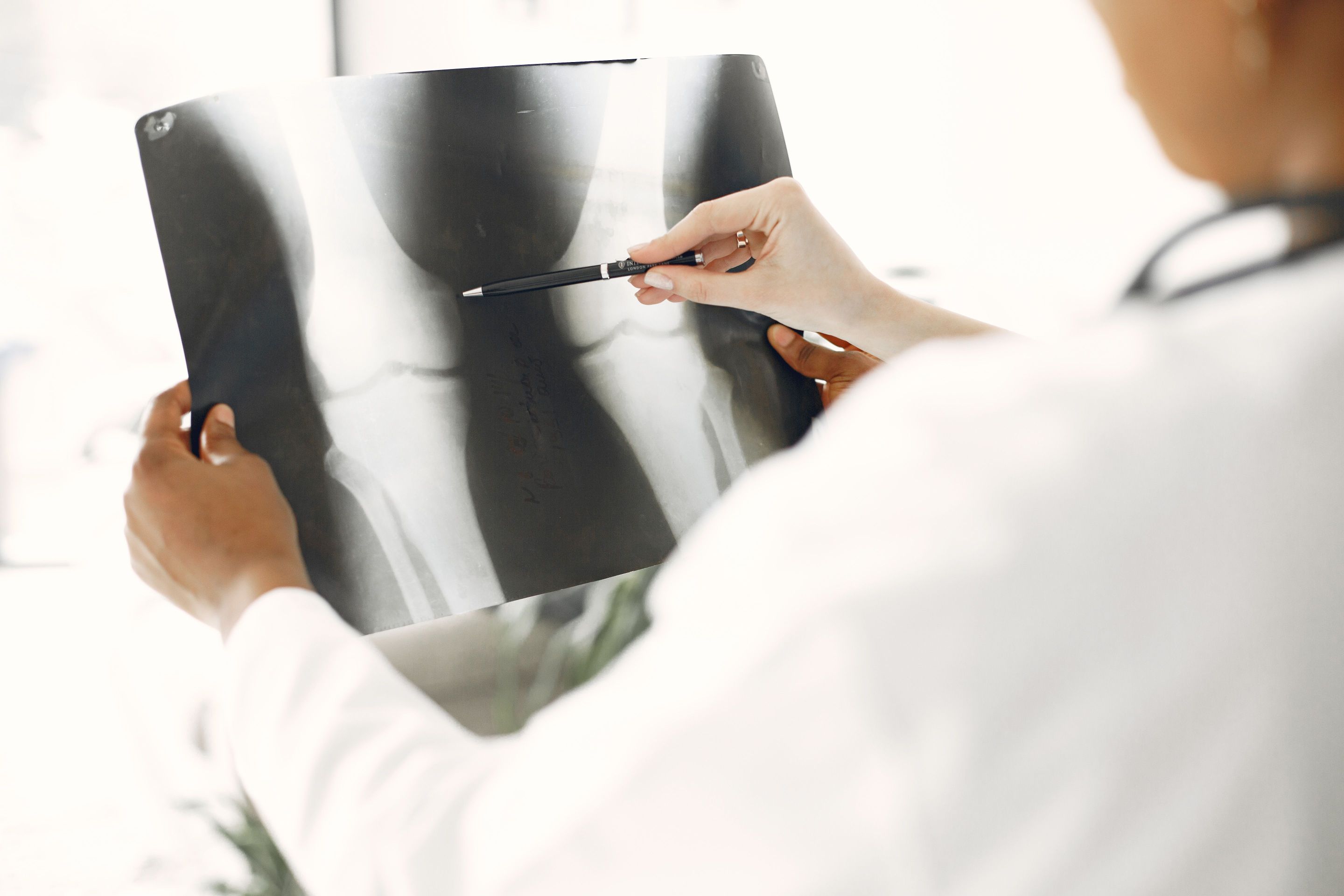
Osteoporosis is a condition in which bone density and bone strength are reduced, making bones more fragile and more likely to break (fracture). It is usually diagnosed with a bone density scan, also known as a DXA (dual-energy X-ray absorptiometry) scan.
Osteoporosis is often called a "silent disease" because there are usually no symptoms until a fracture occurs. A fracture after a minor fall from standing height may be a sign of osteoporosis.
The bones most commonly affected by osteoporotic fractures are the wrist, hip and spine (vertebrae), although fractures can occur in other parts of the body.
Spinal fractures may cause persistent back pain. However, up to two-thirds of spinal fractures cause no pain and may instead present as a loss of height or a stooped posture.
Globally, approximately one in three women and one in five men over the age of 50 will experience an osteoporotic fracture during their lifetime.
Osteopenia
Osteopenia is a condition in which bone density is lower than normal, but not low enough to be classified as osteoporosis.
Having osteopenia does not mean that you will inevitably develop osteoporosis. However, it does indicate a higher risk of future bone loss and fractures. Identifying osteopenia early can help guide strategies to maintain bone health and reduce future fracture risk.
Causes and risk factors
Risk factors for osteoporosis and osteopenia can be divided into those you cannot control and those you can influence through lifestyle choices.
Risk Factors You Cannot Control
Age
Throughout life, old bone is constantly broken down and replaced with new bone. Most adults reach their peak bone density and strength by the age of 30. After this, bone remodelling continues, but with increasing age, bone loss gradually begins to exceed bone formation, increasing the risk of osteopenia and osteoporosis.
Sex
Women are at greater risk of osteoporosis than men, largely due to the decline in oestrogen levels during menopause. Oestrogen plays an important role in maintaining bone health, and bone loss often accelerates after menopause. The risk is particularly high in women who experience menopause before the age of 45.
Family History
Having a parent with a history of fracture, particularly a hip fracture, increases your risk of developing osteoporosis.
Previous Fracture
A fracture following a minor fall or low-impact injury may indicate underlying osteoporosis. Previous wrist, hip, or spinal fractures are associated with an increased risk of future fractures, particularly if they occurred within the past one to two years.
Risk Factors You Can Control
Smoking
Smoking is associated with lower bone density and an increased risk of osteoporosis and fractures.
What about e-cigarettes or vaping?
Although often perceived as safer than traditional cigarettes, e-cigarettes contain nicotine and other chemicals that may negatively affect bone health by interfering with the normal process of bone formation.
Alcohol
Excessive alcohol consumption increases the risk of osteoporosis and fractures. Alcohol can impair calcium absorption, disrupt hormones involved in bone health, and increase the risk of falls and injuries.
Low Body Weight
Low body weight is a recognised risk factor for osteoporosis. A Body Mass Index (BMI) below 18.5 kg/m² is considered underweight, while a BMI below 20 kg/m² may also be associated with an increased risk of low bone density.
Rapid Weight Loss
Significant weight loss over a short period, whether through dieting, medication, or surgery, can affect bone health. This risk can be reduced through adequate nutrition, resistance exercise, and appropriate medical supervision.
Nutrient Deficiencies
Bones require adequate amounts of calcium, vitamin D, and protein to remain healthy. Poor dietary intake of these nutrients can contribute to bone loss and may also lead to reduced muscle mass, increasing the risk of falls and fractures.
Secondary Causes of Osteoporosis
Certain medical conditions and medications can increase the risk of osteoporosis and fractures. This may occur due to chronic inflammation, hormonal imbalances, nutritional deficiencies, reduced physical activity, or treatments that adversely affect bone health. The risk is often greater when the underlying condition is poorly controlled.
Examples include diabetes, thyroid disorders, coeliac disease, inflammatory bowel disease, rheumatoid arthritis, chronic kidney disease, and long-term corticosteroid (steroid) use.
When should you speak to your doctor?
Osteoporosis often goes undetected until a fracture occurs. If you have experienced a fracture following a minor fall, a noticeable loss of height, a stooped posture, or persistent back pain without an obvious cause, it is important to discuss this with your doctor. These may be signs of underlying osteoporosis and indicate the need for further assessment.
Who Should Be Assessed for Osteoporosis?
Current international guidelines recommend that a fracture risk assessment should be considered in:
- Postmenopausal women with one or more risk factors for osteoporosis or fractures.
- Men aged 50 years and older with risk factors for osteoporosis or fractures.
- Anyone who has experienced a previous fragility fracture (a fracture occurring after a minor fall or injury).
- Individuals taking long-term corticosteroid (steroid) medications.
- People with medical conditions known to affect bone health, such as rheumatoid arthritis, diabetes, coeliac disease, inflammatory bowel disease, or chronic kidney disease.
Healthcare professionals can estimate your risk of fracture using validated risk assessment tools. Depending on the results, you may be referred for a DXA (bone density) scan to assess bone strength and help guide treatment decisions.
Early assessment is important because osteoporosis often remains undetected until a fracture occurs. Identifying those at higher risk allows steps to be taken to help prevent future fractures.
What is the role of exercise in the prevention of osteoporosis?
Exercise is one of the most effective lifestyle strategies for maintaining bone health and reducing the risk of osteoporosis and fractures.
Research suggests that a combination of weight-bearing aerobic exercise and resistance training provides the greatest benefit for bone health. Activities such as brisk walking, jogging, dancing, and stair climbing place beneficial loads on the skeleton, helping to stimulate bone formation and reduce age-related bone loss. These activities are also accessible and easy to incorporate into everyday life.
In addition to aerobic exercise, strength training is essential. Resistance exercises help strengthen muscles, improve balance, and place beneficial loads on bones, supporting overall bone health and reducing the risk of falls.
Can I start exercising if I have already been diagnosed with osteoporosis?
For most people with osteoporosis, exercise is both safe and recommended. However, higher-impact activities such as skipping, star jumps, and basketball may not be suitable for individuals with osteoporosis or a history of a fragility fracture. Medical advice should be sought before undertaking high-impact exercise.
Individuals who have experienced multiple fractures, spinal fractures, frequent falls, or who are recovering from a recent fracture are advised to speak to their doctor or physiotherapist before starting a new exercise programme.
How to Exercise Safely
Whether your goal is to prevent osteoporosis or manage an existing diagnosis, exercise is an important part of maintaining bone health.
The following tips can help you exercise safely and effectively:
- Begin slowly and increase gradually.
- Include exercises that improve balance and coordination.
- Wear supportive footwear and exercise in a safe environment free from trip hazards.
- Warm up before exercise and cool down afterwards.
- Choose activities you enjoy, as you're more likely to stick with them.
A balanced exercise programme should ideally include:
- Weight-bearing aerobic exercise: brisk walking, stair climbing, dancing, or jogging. Aim for at least 150 minutes per week.
- Strength training: body-weight exercises, resistance bands, or weights. Aim for 2-3 sessions per week, targeting all major muscle groups.
- Balance exercises: to help reduce the risk of falls.
- Flexibility and posture exercises: to maintain mobility and support spinal health.
The key is to stay active consistently. The best exercise programme for bone health is one that is safe, enjoyable, and sustainable over the long term.
Disclaimer:
The content in this article is for general informational purpose and is not meant to replace or substitute for professional medical advice, diagnosis or treatment. Always consult a qualified healthcare professional with any questions or concerns about your health.
References :
- About | International Osteoporosis Foundation
- Osteoporosis: Practice Essentials, Background, Pathophysiology
- Osteoporosis - NHS
- https://theros.org.uk/
- The impact of E-cigarette vaping and vapour constituents on bone health - PubMed
- Alcohol Consumption, Bone Mineral Density, and Risk of Osteoporotic Fractures: A Dose–Response Meta-Analysis - PMC
- Epidemiology and awareness of osteoporosis: a viewpoint from the Middle East and North Africa
- National Osteoporosis Guidelines Group UK
- Effect of exercise on bone health in middle aged and older adults: hierarchical network meta-analysis of randomised trials