
 Austria
 Belgium
 Estonia
 Finland
 France
 Germany
 Greece
 Iceland
 Ireland
 Italy
Italy
 Liechtenstein
 Netherland
 Norway
 Poland
 Portugal
 Spain
Spain
 Sweden
 Switzerland
 Turkey
 United Kingdom
 Australia
 Fiji
Fiji
 Hong Kong
 India
India
 New Zealand
 Indonesia
 Japan
Japan
 Malaysia
 Philippines
 Singapore
 Thailand
 Brazil
 Chile
Chile
 Colombia
 Peru
Peru
 Mexico
 USA
USA
 Bahrain
 Morocco
 Oman
Oman
 UAE
UAE
 Saudi Arabia
 Tanzania
Goal setting for 2026 : How to Build Lasting Habits and Achieve Meaningful Change
 Prefer us on Google


Have you ever made a New Year’s resolution only to find that your motivation fades over time? You are not alone. An intention to change your behaviour is rarely enough to create real, lasting change.
What is a goal?
“Goals are mental representations of desired outcomes”.
They can take various forms, such as: “I want to run a marathon”, “I want to write a book” or “I want to quit smoking”.
You can increase your chances of success by using scientifically backed goal-setting strategies. In this article, we will explore some of these strategies.
Know your why
One of the most important steps in goal setting is understanding your “why”. Why have you chosen this goal? Does it align with your interests and personal values?
For example, a smoker may want to quit smoking, not just to stop a chronic cough, but to play football with their child and feel more connected.
Understanding your why strengthens commitment and boosts success. Once you have defined your goal, and clarified your why, the next step is to design a system that will help you achieve it.
Supplement with Skill-Based Goals
In some cases, you may need to support your main goal with mastery or skill-based goals.
For example, if weight loss is your goal, you can set related goals like learning to cook healthy meals or taking up a new activity such as tennis to boost physical activity.
Break down your goals into smaller action plans
When, where and how will you achieve your goal?
Action plans break down big goals into smaller, manageable steps and require frequent re-evaluation.
A helpful tool is the SMART framework:
Specific – be clear about the action you want to achieve. Instead of “I will eat healthier”, say “I will include two portions of vegetables with my meals”. Similarly, instead of “I will exercise more”, specify: “I will cycle every day after work”.
Measurable – Track your progress. How many meals will include vegetables? How many days a week will you cycle, and for how many minutes each time?
Achievable – Your goal should be realistic based on your current situation. If you have not been exercising at all, it may be more realistic to start with walking for 10-15 minutes per day.
Relevant – Choose actions that align with your goal. If weight loss is your aim, eating more vegetables or jogging will help.
Time-bound – Set a start date and a review date, then adjust if needed.
For example, if you walked 20 minutes four times a week, increase to 30 minutes five times a week. On the flip side, if you only managed once a week, scale back to something more realistic.
Habit formation is key
You have set a goal and broken it down into specific action plans. Now, it is important to turn your new behaviour into a habit through repetition

Habits influence our behaviour more than self-control? Around 40% of our daily actions are driven by habit. That is why forming good habits - and breaking bad ones - is often more effective than relying on willpower alone.
How long does it take to form a habit?
Research suggests about 66 days on average, though it can range from 18 to 254 days depending on complexity. Missing a day or two won’t derail you, but consistency is crucial.
Although self-control is needed at first, you can make habit formation easier with the strategies below.
Make it easy for yourself to create a habit
Habit Substitution:
Intentionally replace old habits with new ones. For example, if you usually watch TV after dinner, go for a 20-minute walk instead.
Habit stacking:
Link your new habit to an existing one. For example, “I will do 10 squats every day before my shower” or “I will meditate for 5 minutes before my morning tea”. Habit stacking increases your chances of sticking to new behaviours.
Harness the power of your environment:
Shape your surroundings to support your goals. If you want to eat healthier, keep healthy snacks like fruits visible and avoid buying or storing unhealthy options.
Link it to a reward:
Attach a reward to your new habit to make it enjoyable and reinforce the behaviour. Rewards trigger dopamine release, which strengthens habit formation.
For example, meet a friend for coffee after a workout or play tennis together. Timing matters - reward yourself immediately so your brain links the behaviour to the positive feeling. Delayed rewards weaken this connection.
Set a Coping Plan:
An often-overlooked step in goal setting is creating a coping plan - anticipating barriers and preparing strategies to overcome them. This helps protect your goals from distractions and setbacks.
If your plan is to walk 30 minutes after dinner for four weeks, this may become harder as the weather gets too hot. Planning ahead with an alternative, like walking on a treadmill, keeps you on track.
Make your new behaviour a part of your identity:
Take pride in your goal and turn it into an identity shift. Our actions often reflect who we believe we are. When your behaviour aligns with the person you want to be, change becomes easier.
For example, if your goal is to run a marathon, start seeing yourself as a runner. Once you see yourself as a runner, sticking to a schedule feels natural – you are simply acting in line with your identity.
Any questions?
If you have any questions or comments, please write to us on [email protected]
References
- Judah, G., Gardner, B., Kenward, M.G. et al. Exploratory study of the impact of perceived reward on habit formation. BMC Psychol 6, 62 (2018).
- Maes, S. and Karoly, P. (2005), Self-Regulation Assessment and Intervention in Physical Health and Illness: A Review. Applied Psychology, 54: 267-299.
- Bailey RR. Goal Setting and Action Planning for Health Behavior Change. Am J Lifestyle Med. 2017;13(6):615-618. Published 2017 Sep 13.
- Sohl SJ, Birdee G, Elam R. Complementary Tools to Empower and Sustain Behavior Change: Motivational Interviewing and Mindfulness. American Journal of Lifestyle Medicine. 2016;10(6):429-436.
- White ND, Bautista V, Lenz T, Cosimano A. Using the SMART-EST Goals in Lifestyle Medicine Prescription. American Journal of Lifestyle Medicine. 2020 May-Jun;14(3):271-273.
- Lally, P., van Jaarsveld, C.H.M., Potts, H.W.W. and Wardle, J. (2010), How are habits formed: Modelling habit formation in the real world. Eur. J. Soc. Psychol., 40: 998-1009.
- Wood, W. (2019). Good habits, bad habits: The science of making positive changes that stick. Farrar, Straus and Giroux.
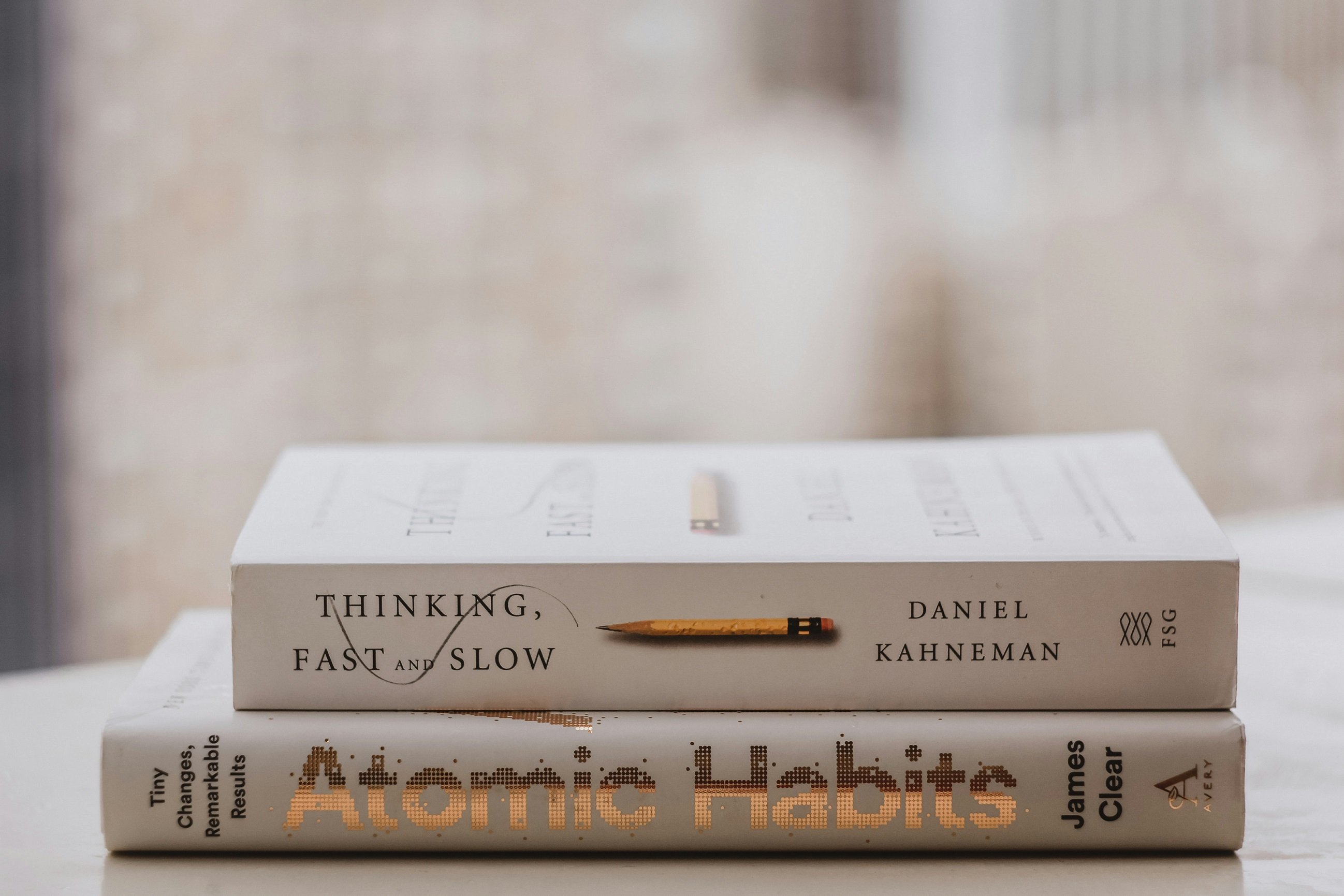
- Clear, J. (2018). Atomic habits: An easy & proven way to build good habits & break bad ones. Avery.
Disclaimer:
The content in this article is for general informational purpose and is not meant to replace or substitute for professional medical advice, diagnosis or treatment. Always consult a qualified healthcare professional with any questions or concerns about your health.