
 Austria
 Belgium
 Cyprus
 Denmark
 Estonia
 Finland
 France
 Germany
 Greece
 Iceland
 Ireland
 Italy
 Liechtenstein
 Netherlands
 Norway
 Poland
 Portugal
 Spain
 Sweden
 Switzerland
 Turkey
 United Kingdom
 Australia
 Fiji
 Hong Kong
 India
 New Zealand
 Indonesia
 Japan
 Malaysia
 Philippines
 Singapore
 Thailand
 Brazil
 Chile
 Colombia
 Mexico
 Peru
 USA
 Bahrain
 Israel
 Morocco
 UAE
 Oman
 Tanzania
 Saudi Arabia
Building resilience before a crisis: how inclusive climate insurance is responding to El Niño in Central America
 Prefer us on Google


Summary
El Niño is already being felt across Central America, driving severe drought conditions. Although its development has long been anticipated by climate specialists and monitoring agencies, the latest forecasts suggest that it could rank among the most intense episodes recorded in the modern era.
However, the magnitude of the phenomenon is only part of the story. The level of preparedness before its impacts materialise can make a significant difference.
Across Central America, more than a decade of collaboration between public institutions, development organisations, financial institutions, insurers and technical experts has helped expand access to financial protection against climate-related risks.
As part of this effort, MiCRO has worked with public and private partners to design, implement and continually improve climate risk transfer solutions for smallholder farmers and underserved populations.
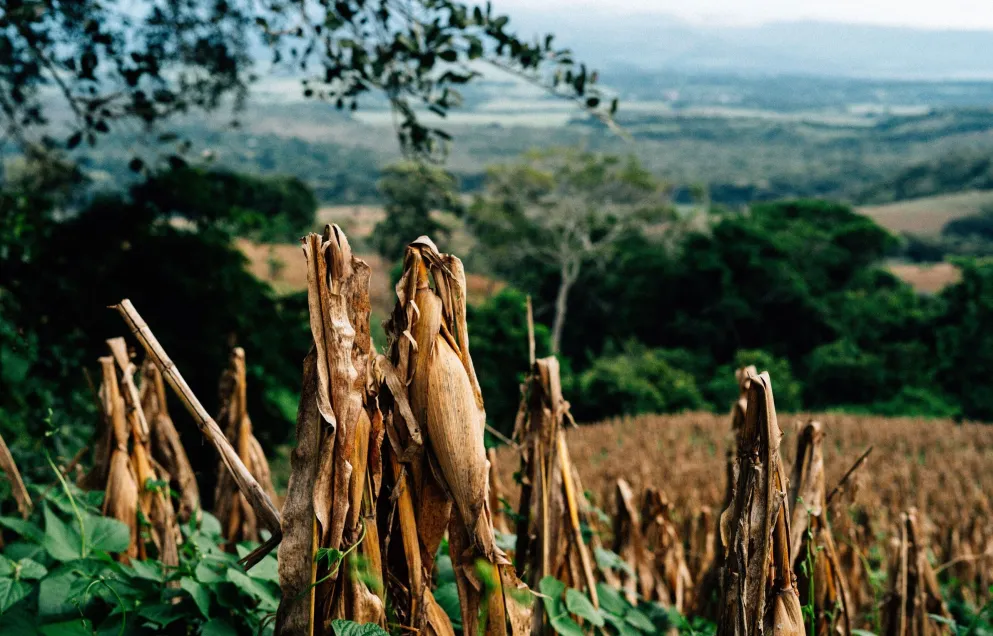
Source: MiCRO (Micro Risk Solutions), based on programme data, portfolio experience, and internal analysis
Financial protection when it matters most
According to these preliminary estimates, 70,000 insured people in Central America may receive payouts totalling approximately USD 20 million.
These figures illustrate the role that insurance and reinsurance mechanisms can play within wider climate resilience strategies. By putting financial protection in place before an event occurs, programmes can be designed to provide timely support when predefined conditions are met, particularly for communities with limited access to traditional financial protection.
The parametric insurance programmes developed with partners across Central America primarily serve smallholder farmers, rural households and other populations with limited access to traditional financial protection mechanisms. Covered risks vary by programme but typically include drought, excess rainfall and flooding.
Insurance cannot prevent climate-related losses, nor does it replace investment in adaptation and risk reduction. Instead, it can provide an additional layer of financial protection alongside these measures, helping families, communities and economies manage the financial consequences when extreme events occur.
The Central American experience demonstrates the value of investing in preparedness and how collaboration among public institutions, development organisations, financial institutions, insurers and technical experts can help expand access to financial protection as part of adaptation and risk management strategies for events such as the one currently unfolding.
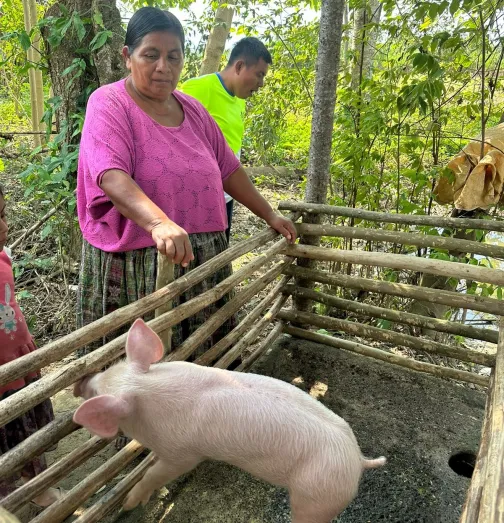
Climate resilience is not build during a crisis. It is built before it happens
Are you exploring ways to strengthen the climate resilience of vulnerable communities or smallholder farmers?
MiCRO works alongside public institutions, development organisations, financial institutions and insurance market partners to support the technical design and implementation of climate risk transfer solutions that complement broader adaptation, resilience and risk management strategies.
The figures presented reflect aggregated data from programmes in Central America as of September 2026. Participant data are based on operational records provided by the respective programmes. Estimates regarding eligibility, payouts and aggregate amounts are preliminary and remain subject to validation and reconciliation by the responsible entities. These figures do not represent payouts that have been definitively approved or disbursed.