
 Austria
 Belgium
 Denmark
 Estonia
 Finland
 France
 Germany
 Greece
 Iceland
 Ireland
 Italy
Italy
 Liechtenstein
 Netherlands
 Norway
 Poland
 Portugal
 Spain
Spain
 Sweden
 Switzerland
 Turkey
 United Kingdom
 Australia
 Fiji
Fiji
 Hong Kong
 India
India
 New Zealand
 Indonesia
 Japan
Japan
 Malaysia
 Philippines
 Singapore
 Thailand
 Brazil
 Chile
Chile
 Colombia
 Mexico
 USA
USA
 Bahrain
 Israel
 Morocco
 Oman
Oman
 Saudi Arabia
 UAE
UAE
 Tanzania
Managing the Hidden Risks Behind Clean Energy Systems
 Prefer us on Google


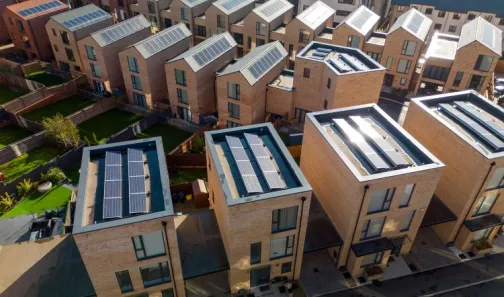
Solar rooftop systems are rapidly becoming a key solution for sustainable energy across residential, commercial, and industrial buildings. They help reduce electricity costs, lower carbon emissions, and support global energy transition goals. However, behind these benefits lies an important aspect that is often overlooked — fire risk and electrical safety in photovoltaic (PV) systems.
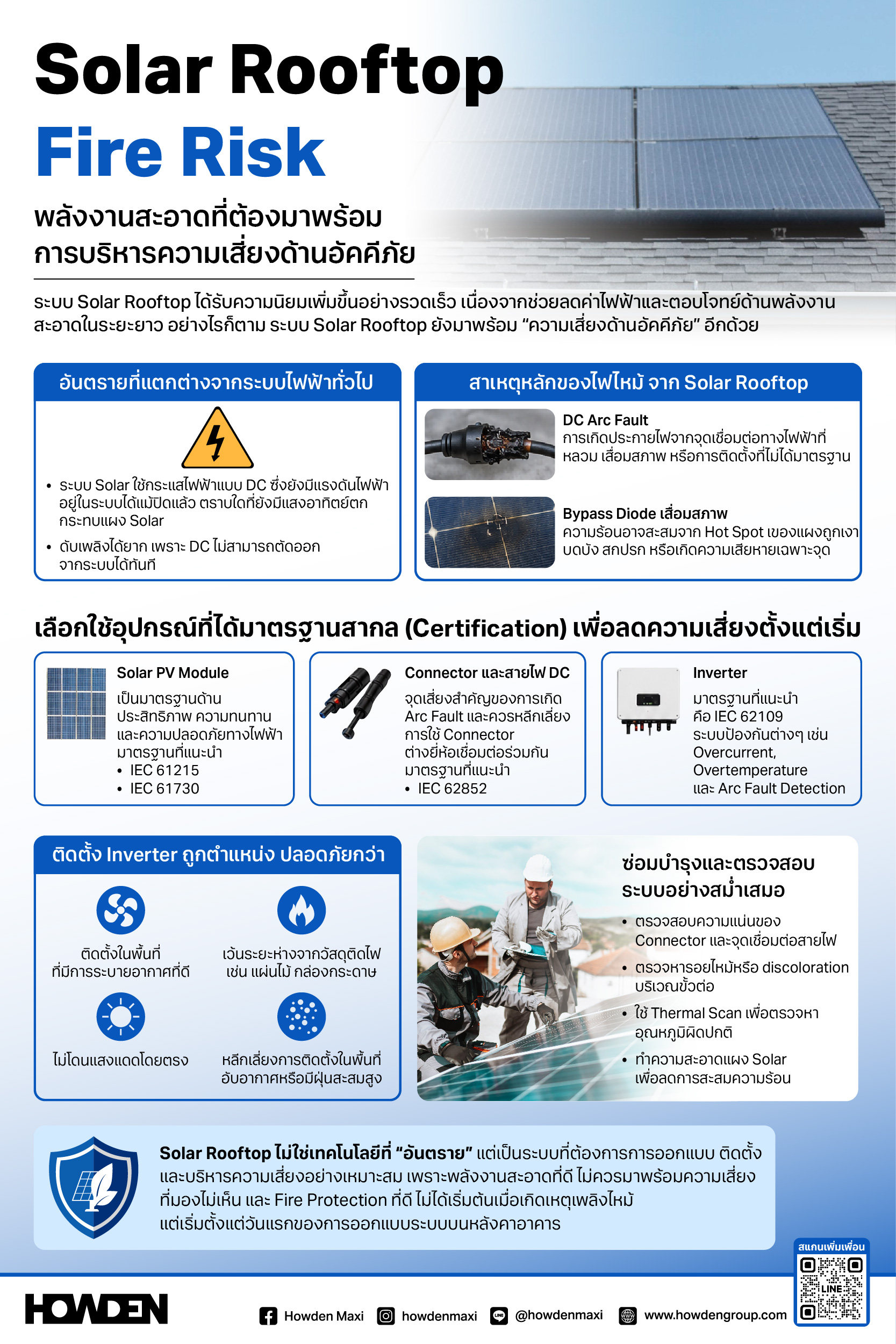
Unlike conventional electrical systems, solar rooftop installations continuously generate electricity as long as sunlight is present. This means that even when the main building breaker is switched off, DC (Direct Current) voltage may still exist within the system, creating potential hazards for both occupants and emergency responders during fire incidents.
Insurance Experts Delivering Comprehensive Protection
Solar Rooftop Fire ?
Key Fire Risks in Solar Rooftop Systems
One of the most critical fire hazards in solar systems is DC arc fault, which occurs when electrical connections become loose, corroded, or improperly installed. These faults can generate continuous electrical arcing, producing extreme heat that may ignite surrounding materials. Due to harsh environmental exposure, high temperature, humidity, and UV radiation system components may degrade faster than expected if not properly designed or maintained.
Another important technical factor is the bypass diode, which is integrated into PV modules to prevent hotspot formation. When part of a solar panel is shaded, dirty, or damaged, bypass diodes redirect current flow to reduce localized overheating. If these components fail, prolonged heat accumulation can increase the risk of internal module damage and potential fire development.
Unlike conventional electrical systems, solar rooftop installations continuously generate electricity as long as sunlight is present. This means that even when the main building breaker is switched off, DC (Direct Current) voltage may still exist within the system, creating potential hazards for both occupants and emergency responders during fire incidents.
Key Fire Risks in Solar Rooftop Systems
One of the most critical fire hazards in solar systems is DC arc fault, which occurs when electrical connections become loose, corroded, or improperly installed. These faults can generate continuous electrical arcing, producing extreme heat that may ignite surrounding materials. Due to harsh environmental exposure, high temperature, humidity, and UV radiation system components may degrade faster than expected if not properly designed or maintained.
Another important technical factor is the bypass diode, which is integrated into PV modules to prevent hotspot formation. When part of a solar panel is shaded, dirty, or damaged, bypass diodes redirect current flow to reduce localized overheating. If these components fail, prolonged heat accumulation can increase the risk of internal module damage and potential fire development.
Standards and Certification Requirements
From a Risk Engineering perspective, system safety depends heavily on compliance with recognized international standards.
Key equipment should comply with:
- PV Modules: IEC 61215 (performance and durability) and IEC 61730 (safety requirements)
- Connectors and DC Cables: IEC 62852 (connectors for DC applications)
- Inverters: IEC 62109 (safety of power converters, including protections against overcurrent, overheating, and electrical faults)
Installation Safety: Inverter Placement Matters
The inverter is one of the most critical components in a solar rooftop system, converting DC electricity into AC power. However, it also generates heat during operation and contains high-energy electrical components.
To reduce fire risk, inverters should be:
- Installed in well-ventilated areas
- Kept away from direct sunlight exposure
- Separated from flammable materials such as wood, paper, chemicals, or stored goods
- Installed according to manufacturer clearance requirements
- Avoided in enclosed, dusty, or poorly ventilated spaces
Proper placement significantly reduces the risk of thermal accumulation and electrical failure.
Operation, Maintenance, and Inspection
Even a well-designed system can become hazardous over time without proper maintenance. Solar rooftop systems are continuously exposed to environmental stress, making routine inspection essential for fire prevention.
Recommended maintenance practices include:
- Checking connector tightness and cable conditions
- Inspecting discoloration, corrosion, or burn marks at connection points
- Performing thermal scanning to detect abnormal hot spots
- Cleaning solar panels to remove dust, dirt, and debris
- Verifying system performance through monitoring tools
Early detection of abnormal conditions can significantly reduce the likelihood of fire incidents and system failure.
Solar Rooftop Safety: Key Risks and Preventive Measures
In addition to IEC standards, local guidelines and recommendations from professional engineering bodies such as the Engineering Institute of Thailand (EIT) play an important role in ensuring safe design and installation practices in Thailand.
When Safety Starts with the Right Standards
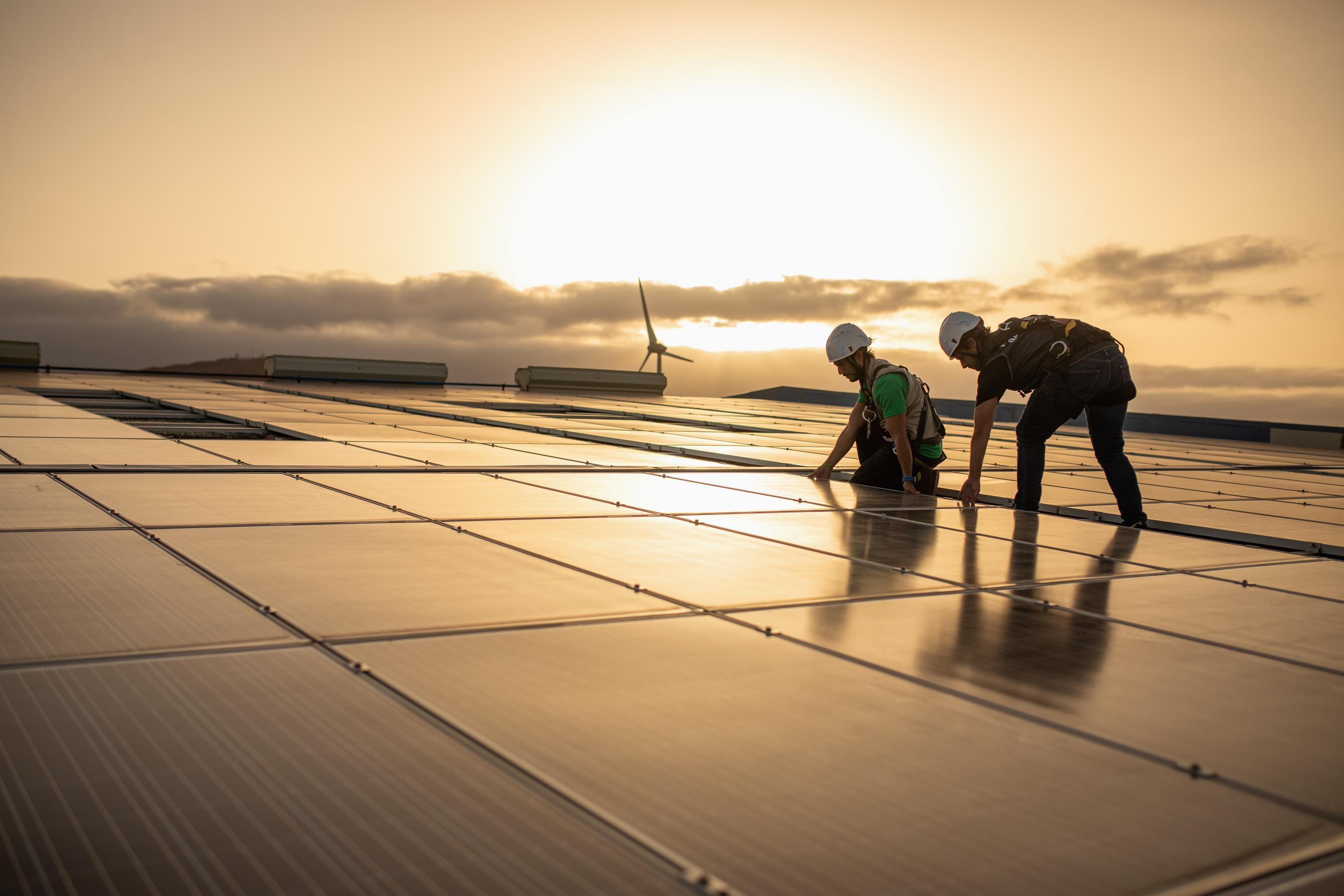
Conclusion: Solar rooftop systems are not inherently dangerous. In fact, they are highly efficient and environmentally beneficial when properly designed and installed. However, like all electrical systems, they require engineering discipline, correct material selection, certified components, and continuous maintenance.
Fire safety in solar systems is not only about responding to incidents — it is about designing out risk from the beginning.
A well-engineered solar rooftop system ensures that clean energy does not come at the cost of hidden fire hazards, protecting both assets and lives in the long term.

We bring extensive expertise in risk analysis and risk management, delivering professional advice and tailored insurance solutions that enable businesses to navigate uncertainty with confidence. By adopting a flexible and client-focused approach, we help organizations strengthen resilience, protect their operations, and reduce the impact of future risks.