Austria
 Belgium
 Denmark
 Estonia
 Finland
 France
 Germany
 Greece
 Iceland
 Ireland
 Italy
Italy
 Liechtenstein
 Netherland
 Norway
 Poland
 Portugal
 Spain
Spain
 Sweden
 Switzerland
 Turkey
 United Kingdom
 Australia
 Fiji
Fiji
 Hong Kong
 India
India
 New Zealand
 Indonesia
 Japan
Japan
 Malaysia
 Philippines
 Singapore
 Thailand
 Brazil
 Chile
Chile
 Colombia
 Mexico
 Peru
Peru
 USA
USA
 Bahrain
 Israel
 Morocco
 Oman
Oman
 UAE
UAE
 Saudi Arabia
 Tanzania
MiCRO
Inclusive, index-based microinsurance for extreme weather and disasters in LATAM

Protecting incomes, empowering underserved communities
Our parametric microinsurance solutions are designed to enable timely delivery of financial resources to reduce the worst impacts and overall costs of disasters.
This is because payouts are based on independent weather and geological data sources, such as rainfall amount, rather than traditional damage assessments. As a result, mitigation and remediation efforts can be put into action much sooner.
For example, if satellite data shows that rainfall at the insured location is above normal levels and reaches the pre‑defined severity threshold, a notification is sent to the insurer to release the payment.
Because index‑based insurance pays out automatically, the beneficiary doesn't need to file a claim. This ensures that farmers and microentrepreneurs receive timely protection against income losses when it matters most.
If you are working with farmers and small businesses, we can help you bundle tailored insurance protection with your existing products and services.
MiCRO works with private and public entities – such as financial institutions, government departments, farming cooperatives and other agencies – to build financial resilience against these risks.

Why now?
As banks, governments and corporate foundations price climate risks into their budgets, insurance has a key role to play.
Insurance penetration (gross premiums as a percentage of GDP) in OECD countries remains below the level recorded a decade ago. In Latin America, insurance uptake is very low, especially among the microbusinesses that make up the bulk of the economy.
This means small businesses, especially women-owned, are particularly vulnerable to extreme weather and disasters – potentially needing outside financial support to survive and recover from these shocks.
By offering trusted parametric protection against excessive rainfall, flood, drought, extreme temperatures and earthquakes, we hope to change that.
We believe that parametric insurance, designed with MiCRO, and with a client-centered approach, strengthens the resilience of microentrepreneurs in the face of climate change.
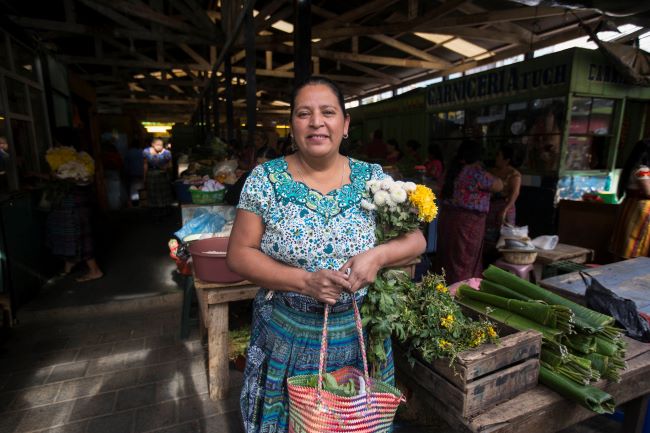
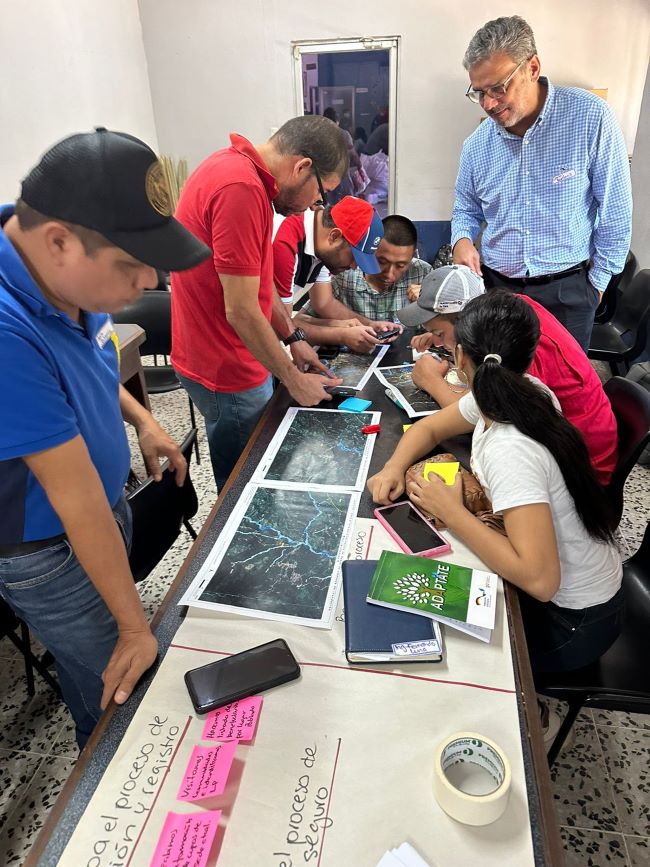
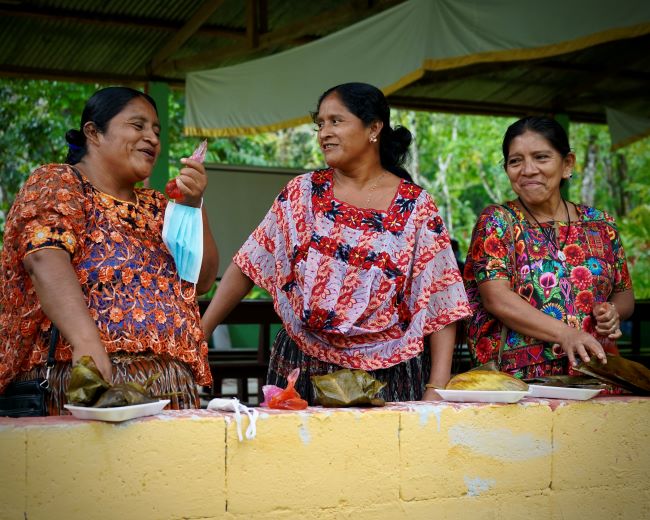
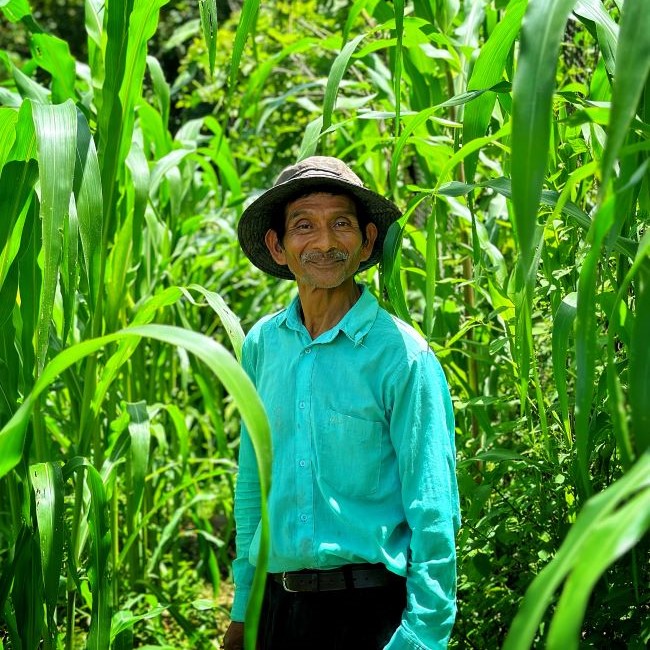
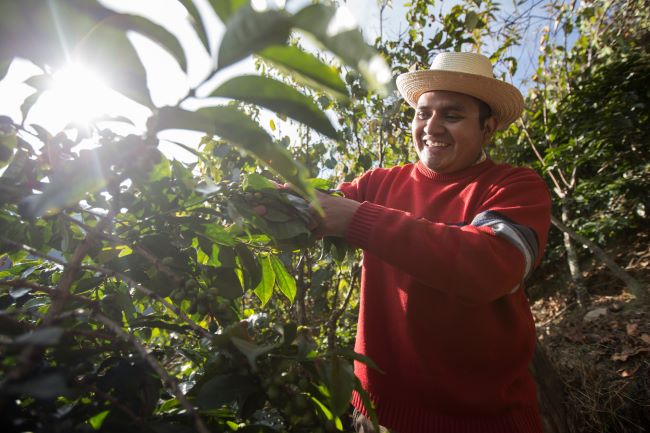
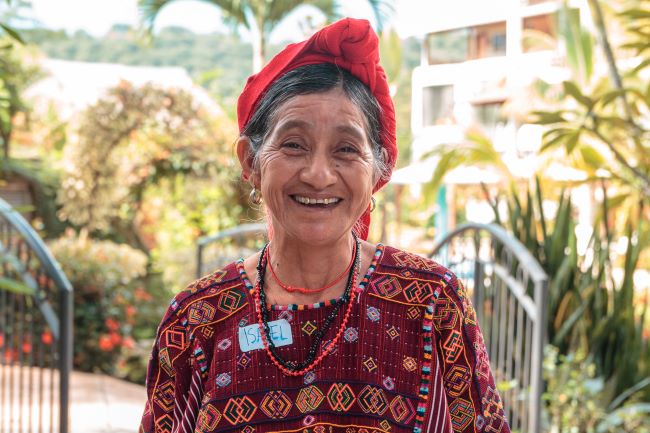
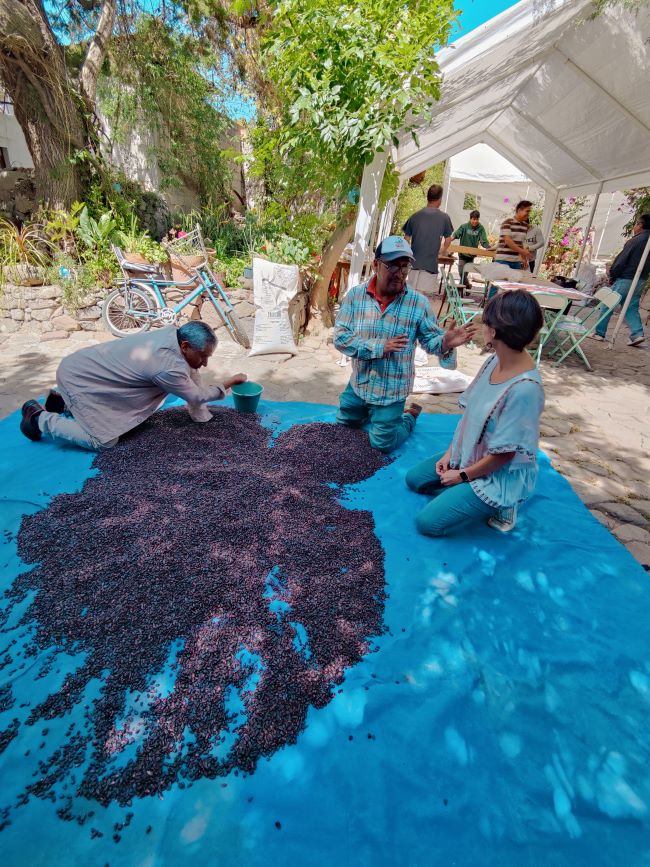
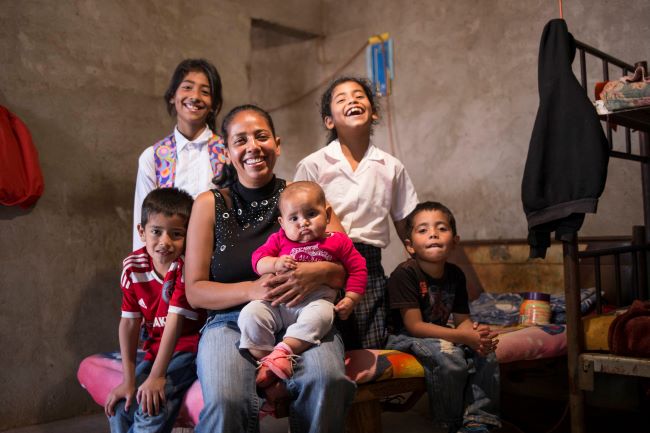
A day in the life of Guatemalan business owners
Inclusive, index-based insurance
Inclusive insurance means designing products for the needs of underserved people, including rural communities and women entrepreneurs in emerging countries. It helps make insurance simple and affordable for populations who have not been able to access the benefits of insurance before.
MiCRO products include protection against:
- Excessive rainfall
- Flood
- Drought
- Extreme temperatures
- Earthquakes
We cover lost income and additional costs of the business or productive activity of microentrepreneurs or smallholder producers due to any of the above disasters.
Inclusive, index-based insurance
Inclusive insurance means designing products for the needs of underserved people, including rural communities and women entrepreneurs in emerging countries. It helps make insurance simple and affordable for populations who have not been able to access the benefits of insurance before.
MiCRO products include protection against:
- Excessive rainfall
- Flood
- Drought
- Extreme temperatures
- Earthquakes
We cover lost income and additional costs of the business or productive activity of microentrepreneurs or smallholder producers due to any of the above disasters.
How parametric microinsurance works
Index-based insurance uses the latest environmental data technology to monitor local weather conditions with pinpoint accuracy. Satellite technology has made it much easier to measure weather events in a given area. When the data shows certain numerical thresholds being crossed, a payout is triggered for any insured business in that area.
For example, if the rainfall is X, then the payout is Y. If the rainfall continues beyond that, the payout increases appropriately. Triggering levels and payouts are determined from historical analysis of the damage and business interruption that would be caused by that level of rainfall.
With interacting payout models including rainfall, flood, drought and earthquakes, we are able to avoid the need for complex damage assessments in real time.
Because of this, index-based insurance gets money where it's needed fast, reducing the length and impact of a crisis.
This is in everybody’s interests:
- Corporate foundations and donors reduce dependency on emergency appeals or needing to redirect resources from other projects
- Governments can avoid costly budget raids and secure food security by empowering the most vulnerable
- Financial institutions loan payments still get paid on time, keeping finance flowing
- Farmers and microentrepreneurs can cope with reductions in income and additional expenses
- People don’t need to resort to negative coping methods, like local loan sharks
- Communities bounce back faster
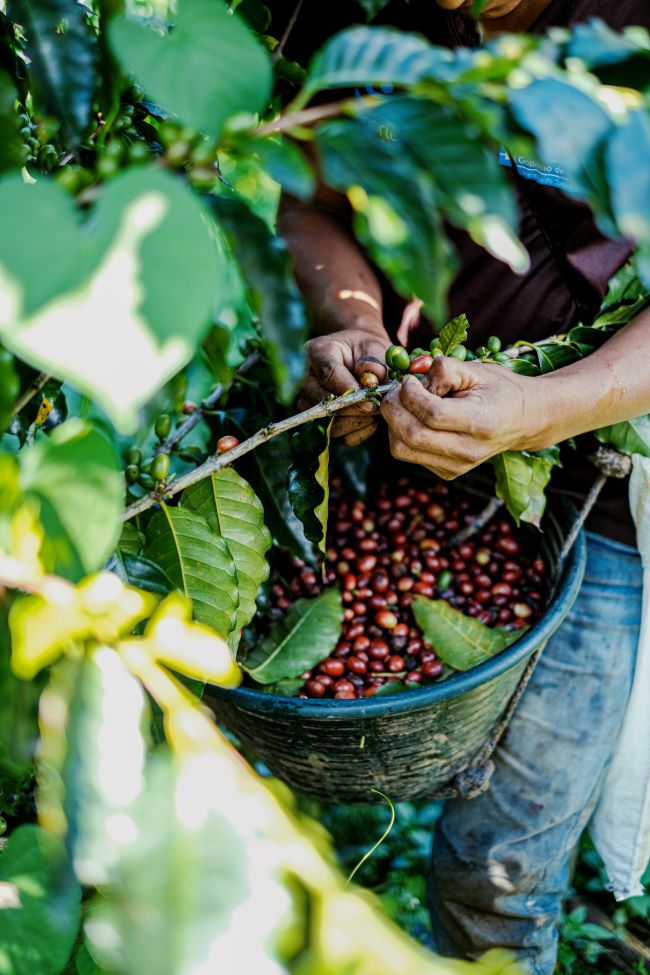
Bundling insurance. Boosting resilience
If you are working with farmers and small businesses, we can help you bundle tailored insurance protection with your existing products and services.
We also work with corporate foundations, donors and governments on schemes that increase the use of insurance in underserved communities.
By bundling parametric insurance with existing offers and trusted relationships, we make protection against financial shocks accessible and inclusive
How we work
Getting insurance coverage into underserved markets is a team effort. MiCRO works with local partners in emerging countries, often bundling parametric microinsurance into existing services and relationships.
We also promote financial and risk management education, helping train communities in disaster risk reduction and preparedness.
Who we work with
- Associations of growers and cooperatives
- Banks and other microfinance institutions
- Companies involved in the agricultural supply chain
- Charities and humanitarian organisations
- Insurers and insurance brokers
- Governments and public programs
- Women entrepreneurs associations
- Utilities

MiCRO and Howden
In May 2024, MiCRO joined Howden. Together, the aim is to expand access to microinsurance and support at-risk communities to build a more secure future.
This partnership aligns with Howden’s strategy to invest in innovative insurance solutions that enhance resilience in emerging markets, especially amid increasing climate catastrophes. The move will enable MiCRO to expand the range and reach of its parametric solutions through Howden’s international presence, deep access to global markets, and analytics capability.

Meet the team
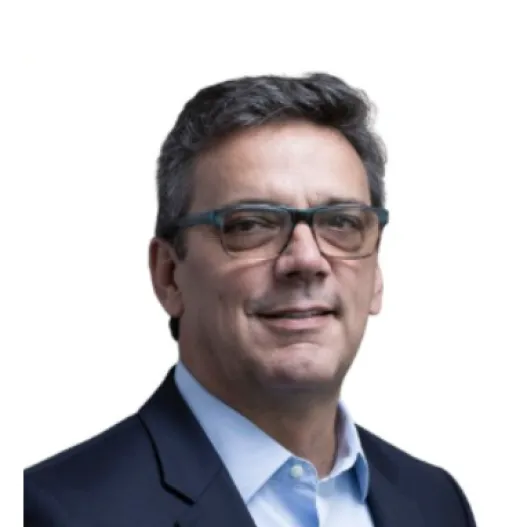
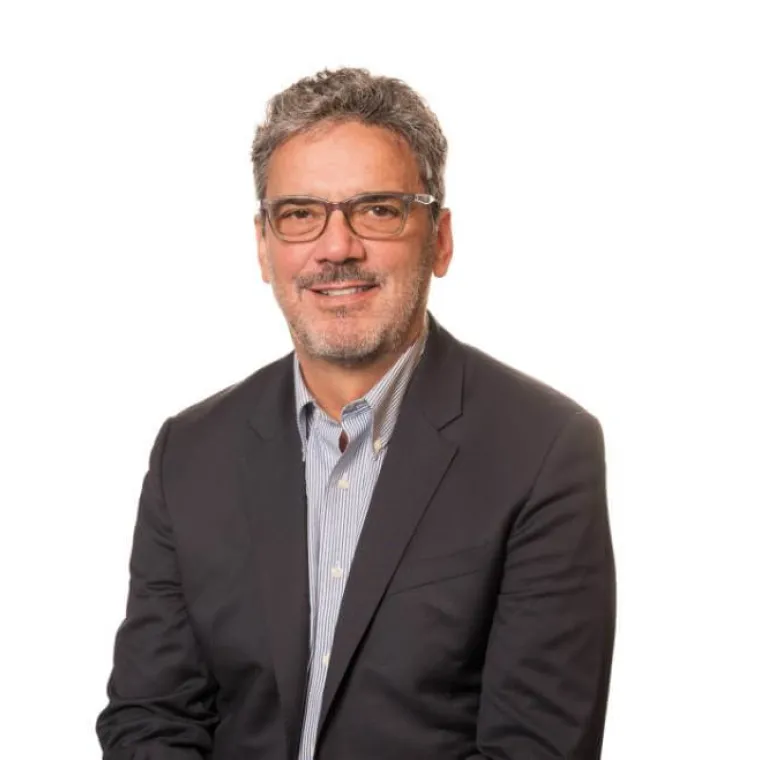 Chief Executive OfficerChief Executive Officer
Carlos is a Swiss Colombian US executive with over 30 years of leadership experience in the global reinsurance industry. Before joining MiCRO, he held senior roles at Swiss Re across Latin America, including P&L responsibility for the Andean region, Country Head positions in Colombia and Mexico, and later Commercial Director for Latin America in New York.
Since becoming CEO of MiCRO in 2014, Carlos has positioned the company as a regional pioneer in index based microinsurance designed to help vulnerable populations recover faster from natural disasters.
Following Howden’s acquisition in 2024, he now leads MiCRO into its next stage of growth, expanding inclusive insurance across underserved markets.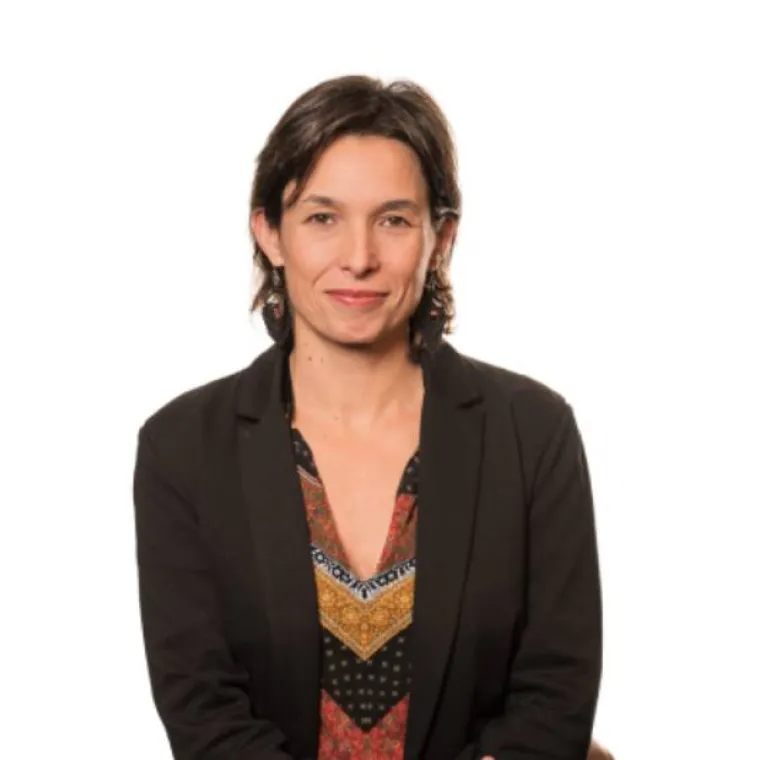 Chief Operating OfficerChief Operating Officer
Beatriz leads parametric insurance projects with public sector and international Organisations (including WFP and UNDP) in Latin America (Mexico, Guatemala, Honduras and Colombia) for MiCRO. Among her responsibilities is the opening of new markets.
Before joining MiCRO in 2018, she worked for the French Development Agency (AFD) for almost a decade, where her last responsibility was the design and implementation of the The Sustainable Development Mechanism, the tool used by AFD Group to ensure that every project it finances is aligned with the Sustainable Development Goals (SDGs), through an analysis and rating system and a formal Second Opinion. Previously, she was in charge of the Climate change, biodiversity and rural development projects with national authorities in the AFD agency in Mexico.
Among other relevant professional experiences, she was Deputy Director of Economic and Social Analysis in a Mexican development bank (BANSEFI/Banco del Bienestar). At the OECD, she oversaw the relation between relevant ministries and OECD directorates for the deployment of policy guidelines on territorial development.
Beatriz holds a MsC in Development Economics from the Institute d’Etudes Politiques (Sciences-Po Paris) and a Bachelor’s degree in International Relations and Political Science.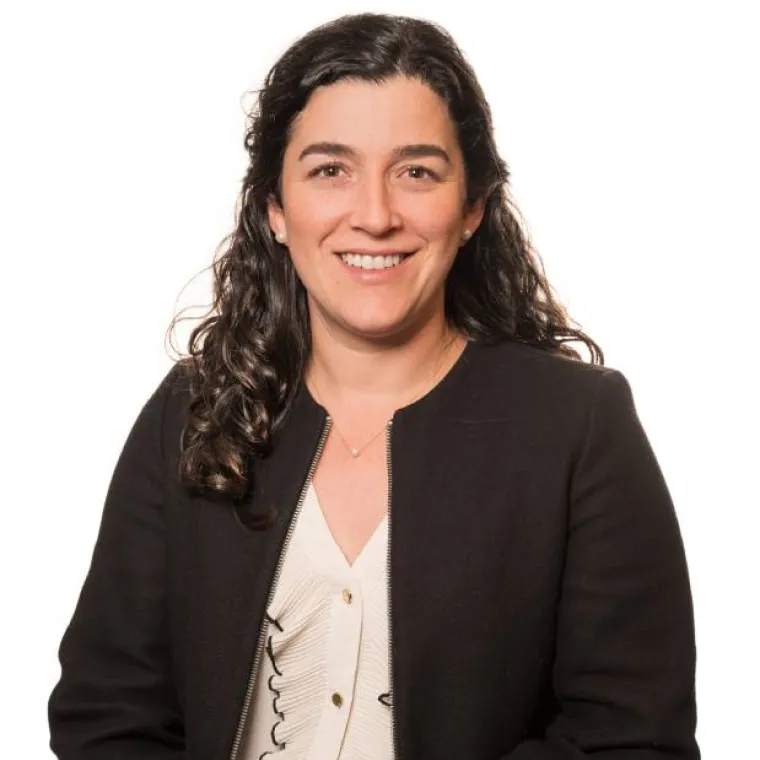 Head of Growth – ColombiaHead of Growth – Colombia
Paola brings more than 15 years of expertise in financial inclusion, financial well-being, gender, and financial education, combining policy insight, market analysis, research, and program design to advance inclusive financial solutions for vulnerable populations.
Paola leads MiCRO’s operations and expansion in Colombia and works closely with regional partners. She collaborates with allies to design and implement programs that strengthen financial well-being, where insurance is part of an integrated strategy.
Before joining MiCRO, she served as an advisor to the President of FINAGRO and held technical and leadership roles at Banco de la República, Banca de las Oportunidades, and SENA.
Paola holds degree in History and an MSc in Education from the Pontificia Universidad Javeriana, as well as additional training in applied and behavioral economics.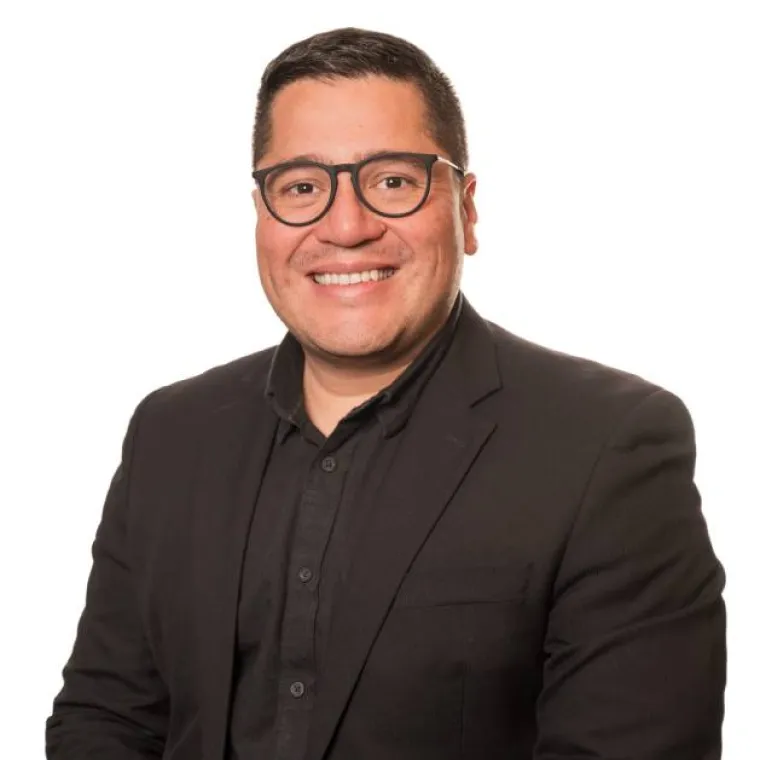 Head of Growth – Central AmericaHead of Growth – Central America
Jorge brings more than ten years of expertise at the intersection of technology, climate, and agriculture, designing systems that solve engineering challenges and strengthen resilience for vulnerable populations in Latin America.
At MiCRO, he serves as Head of Growth for Central America and Innovation Manager, leading product expansion, and partnerships to scale inclusive parametric insurance across the region. He also supports and leads innovation initiatives across the organization.
Previously, Jorge worked with the United Nations World Food Programme, where he led Disaster Risk Finance and anticipatory action projects, climate services innovation, and digital finance initiatives across Central America and the Caribbean. He has also held senior technology and project roles privately.
He holds bachelor degrees in Electronic Engineering and Computer Sciences and Business Administration, a Master’s in Economics, and a specialization in Architecture and Systems Engineering from - MIT School of Engineering – MITxPro.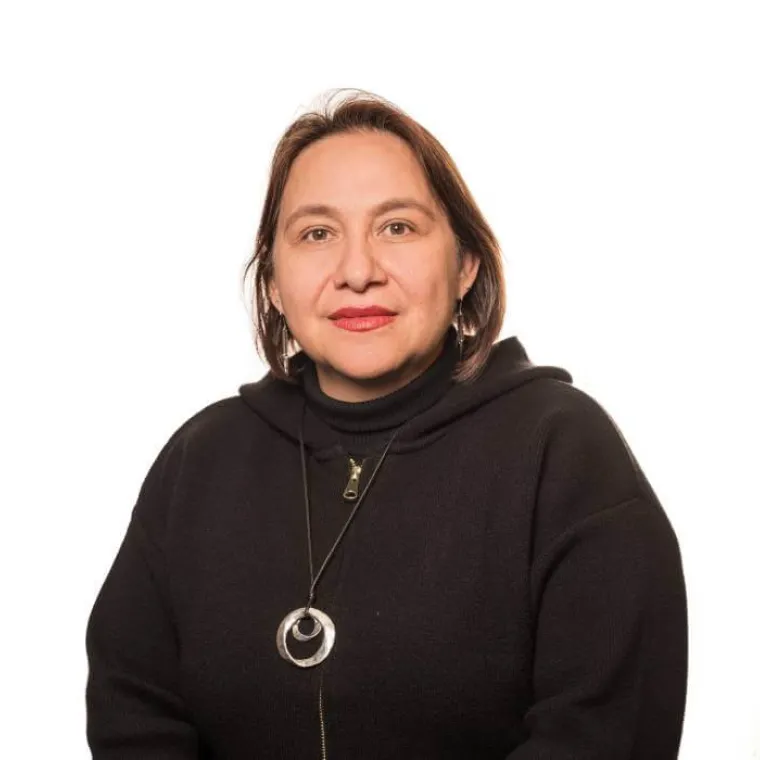 Head of Growth – MexicoHead of Growth – Mexico
Claudette brings more than 20 years of experience in financial inclusion, financial education, gender, and capacity building for vulnerable populations, contributing strong expertise in designing and implementig inclusive finance initiatives across Latin America.
At MiCRO, she leads operations and business development in Mexico, collaborating with partners to identify sustainable business models for inclusive parametric insurance and integrated climate resilience strategies. She also supports across diverse countries by leading vulnerability workshops to identify target segment needs and delivering training on designed products and financial education initiatives.
Before joining MiCRO, Claudette held regional management and technical consultancy roles at DAI and other international firms and supports women’s leadership through pro bono work with Andares Mujeres.
She holds a bachelor’s degree in Administrative Sciences, is a master’s candidate in International Management from Instituto Tecnológico Autónomo de México, and has completed relevant international certifications.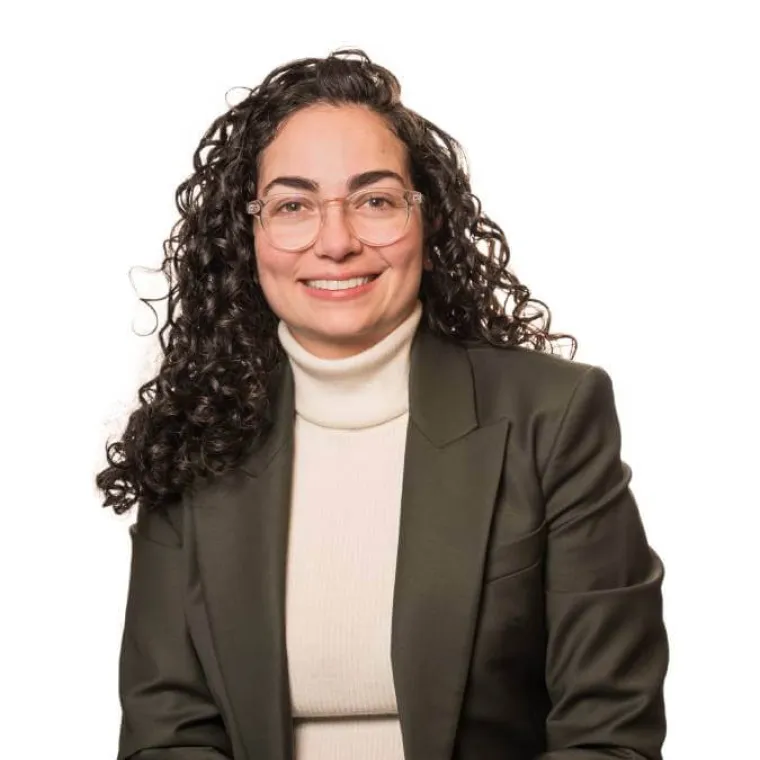 Head of ImplementationHead of Implementation
Vanessa has over 17 years of experience in the insurance sector, specializing in the structuring and management of mass distribution models. She has worked in insurance companies such as AIG, SBS, and AXA, where she led the development, implementation, and operation of solutions in Affinity channels, ensuring their sustainability and growth.
Her expertise spans from strategy definition and product design to commercialization, operational management, and performance optimization.
In 2024, Vanessa joined MiCRO as Head of Business Implementation, taking on a cross-functional role to lead the implementation of new strategies and projects.
She holds a degree in Production Engineering, an Executive MBA from the University of Barcelona, and is certified as a Product Owner by Agile Education, powered by Scrum Inc.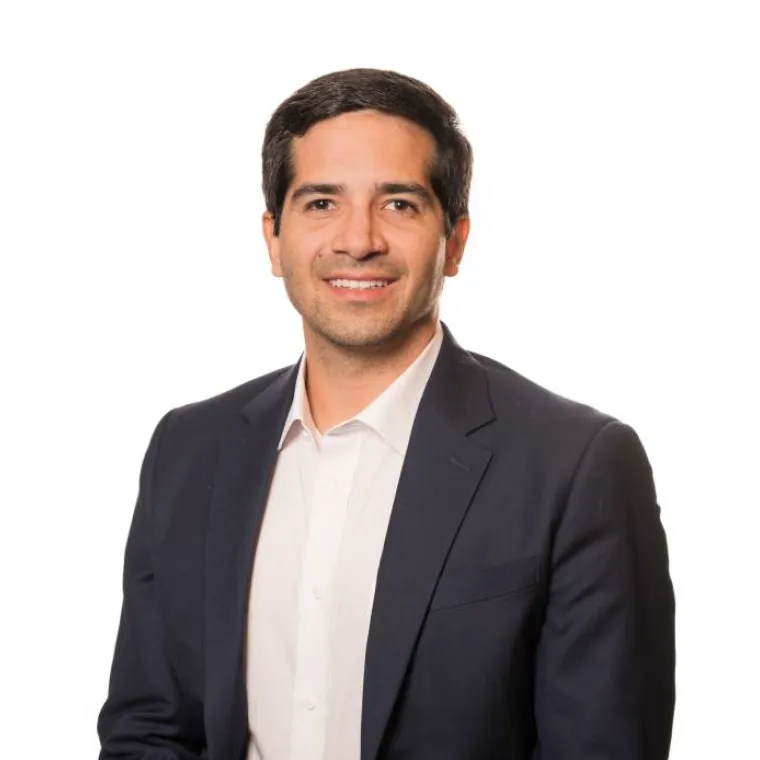 Head of ProductsHead of Products
Iker is an expert in design, evaluation, and management of parametric insurance products, with a strong ability to translate complex technical concepts into clear, practical solutions for vulnerable communities. He brings a combined perspective of actuarial rigor, project management, and partnership development across the inclusive insurance ecosystem.
At MiCRO, he leads the Product Design Unit, coordinating product design and quality assurance across Guatemala, El Salvador, Honduras, Mexico, and Colombia, covering nearly 200,000 policyholders.
Previously, he worked with the International Labour Organization, Grameen Bank, and in the private sector. Iker holds a Bachelor’s degree in Actuarial Science from Universidad Anahuac in Mexico City and a Master’s degree in Emerging Economies and Inclusive Development from King’s College London. Product SpecialistProduct Specialist
Gustavo supports MiCRO’s product innovation by designing parametric insurance solutions, developing rainfall and satellite‑based indices, and automating data workflows to streamline model validation and payout processes.
He applies expertise in climate hazard behaviour, geospatial analysis, and Python‑based modelling to build efficient, data‑driven products.
Before joining MiCRO, he worked in Guatemala’s National Coordination for Disaster Reduction (CONRED) and at INSIVUMEH, strengthening national risk assessment protocols, meteorological services, and early warning systems.
Earlier in his career, he taught statistics, climatology, and data analysis at the Universidad de San Carlos de Guatemala, contributing to research on hydrological and hydraulic modelling.
Gustavo’s background spans meteorology, climate analytics, remote sensing, GIS, and data automation, with strong capabilities in simulation, risk modelling, and technical design for climate resilience.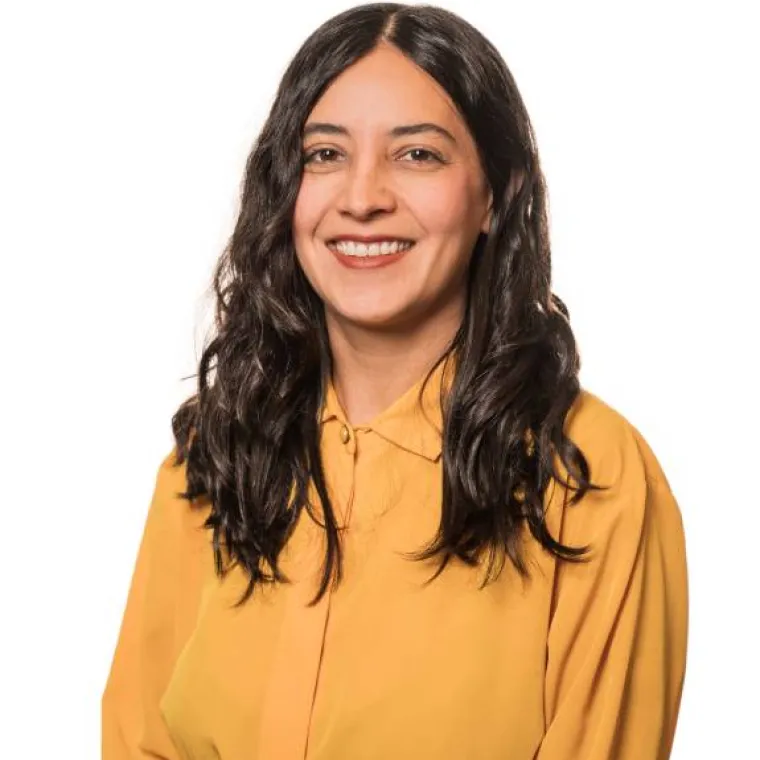 Data ScientistData Scientist
Thalia plays a key role in strengthening MiCRO’s risk assessment capabilities for parametric insurance solutions across natural disaster contexts.
Since joining the organization in 2023, she has supported product operations by estimating parameters, monitoring data for business intelligence, and advancing modelling processes. Her work focuses on building a reliable risk‑modelling pipeline and structuring resilient data architectures to enhance system efficiency and accuracy.
Previously, she worked as a consultant in qualitative and quantitative market research, delivering more than 40 projects across multiple industries with emphasis on competition economics.
She holds a degree in Economics and Political Science, as well as an MSc in Data Science from the Instituto Tecnológico Autónomo de México (ITAM). Fluent in Spanish and English, she brings strong analytical, statistical, and data management skills to MiCRO’s climate resilience efforts.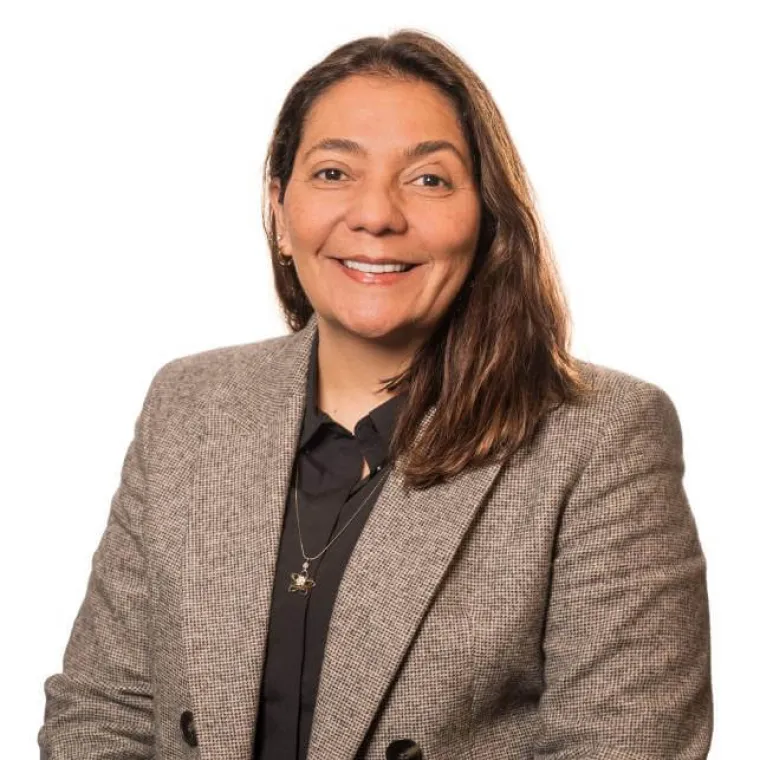 Head of TechnologyHead of Technology
Marcela leads the strategic direction and continuous improvement of MiCRO’s technology platforms as Head of Technology. With over a decade of experience in web based systems development and automation, she brings a strong combination of hands-on technical expertise and strategic leadership, helping strengthen platform stability, security and scalability across key operational systems supporting parametric insurance operations.
At MiCRO, she drives the ongoing development and operation of the MICAPP platform, supporting reliable delivery of parametric insurance solutions.
Marcela holds a Bachelor’s Degree in Computer Science and completed the Data Science for All programme with honours. Fluent in Spanish and English, she specialises in PHP, Python and data-driven platform development, with a strong focus on automation, reporting and operational enablement. Head of Monitoring and EvaluationHead of Monitoring and Evaluation
Cesar leads MiCRO’s initiatives focused on transforming data into actionable insights, strengthening monitoring, evaluation, and intelligence systems that support management, accountability, and organizational learning.
He brings more than 15 years of experience in the financial sector (insurance and banking), where he has led data, information, monitoring, and business intelligence strategies to enhance decision‑making and drive organizational value.
He has worked with organizations such as BBVA Colombia and SBS Seguros, contributing to the strengthening of corporate strategies through data use, performance measurement, and impact analysis, ensuring alignment between information systems and the strategic objectives of the business.
Cesar is an Industrial Engineer and a Specialist in Business Intelligence Project Management, with a strong focus on analytics, results evaluation, and continuous improvement.
FAQs
Inclusive insurance is about bringing financial risks management tools to people who historically haven’t been able to access them. This isn’t just people living in poverty. It includes low and middle income families, rural communities and an emerging middle class.
An index is an objective measure, built with data from an independent source, that allows a specific event or condition to be represented. Instead of slower traditional methods, insurance payouts can be based on the index. That is, if rainfall hits X, the payout is Y. The figures are based on deviations from historical averages. The further away from the average, the bigger the assumed impact and the bigger the payout.
Payouts are triggered automatically when environmental data crosses pre-agreed thresholds. For example, if rainfall during the critical growing season falls below 80mm when the historical average is 150mm, the policy pays out - no claim filing needed.
The exact thresholds are calibrated for your region using historical data, and we share these with your members before they enroll.
Sometimes the index won't perfectly match every individual's experience. It is possible that a farmer might get a payout for more than the actual damage. Equally, it is possible occasionally that the damage a farmer suffers will be more than the index implies. This is called basis risk.
We are currently piloting a discretionary review instrument, and hope to be able to scale a solution where we can also use alternative methods to assess claims. Once rolled out, the discretionary review process applies in scenarios where contractually we are not obliged to pay, but the measures of the instrument tell us it is the right thing to do. For further details, give us a call.
You don't – that's the beauty of it.
There are no claims to file, no forms to complete, no inspectors to wait for. When the environmental data crosses the agreed threshold, payouts happen automatically within 5 to 15 days.
For instance, the drought index might trigger across a zone, but one farmer's field happens to have better water retention and suffers less damage. Or conversely, a microburst hits one member's plot hard, but the broader area doesn't meet the threshold.
We are currently piloting a discretionary review instrument, and hope to be able to scale a solution where we can also use alternative methods to assess claims. Once rolled out, it applies in scenarios where contractually we are not obliged to pay, but measurements of the instrument tell us it is the right thing to do. For further details, give us a call.
Our environmental data comes from NASA (National Aeronautics and Space Administration), NOAA (National Oceanic and Atmospheric Administration), USGS (United States Geological Survey), and other international and national agencies.
It's growing rapidly, but it's still relatively new. Twenty years ago, this type of insurance simply wasn't possible - the technology didn't exist. Advances in satellite technology and data analysis are making protection accessible to small-scale farmers and microentrepreneurs.
MiCRO’s clients typically have not used insurance products before, so MiCRO works closely with its local partners to provide information about how index-based insurance works, and how their insurance policy covers specific catastrophic events. In addition, MiCRO, working through government organisations, facilitates disaster risk reduction and preparedness training to its customers.
MiCRO’s products are offered by local insurers and distributed by aggregators such as financial institutions, offering productive loans, associations of growers, cooperatives, utilities traders and others.
Yes. MiCRO operates as part of Howden’s unregulated Climate Risk and Resilience division, with all policies underwritten by local insurers regulated by each country’s insurance supervisory authority.
These insurance mechanisms are not limited to agriculture. Women engaged in non‑agricultural livelihoods, such as microenterprise, commerce, or service provision, may also face significant exposure to climate risks. Extending coverage to them ensures broader social protection and contributes to advancing gender equity in climate resilience strategies.
These schemes are particularly relevant for women because they often have fewer financial resources, less access to credit, and greater responsibility for household wellbeing, which makes them more vulnerable to climate‑related shocks.