 Austria
 Belgium
 Denmark
 Estonia
 Finland
 France
 Germany
 Greece
 Iceland
 Ireland
 Italy
Italy
 Liechtenstein
 Netherland
 Norway
 Poland
 Portugal
 Spain
Spain
 Sweden
 Switzerland
 Turkey
 United Kingdom
 Australia
 Fiji
Fiji
 Hong Kong
 India
India
 New Zealand
 Indonesia
 Japan
Japan
 Malaysia
 Philippines
 Singapore
 Thailand
 Brazil
 Chile
Chile
 Colombia
 Mexico
 Peru
Peru
 USA
USA
 Bahrain
 Israel
 Morocco
 Oman
Oman
 UAE
UAE
 Saudi Arabia
 Tanzania
Winter-proof your rental property: Key steps every landlord should take
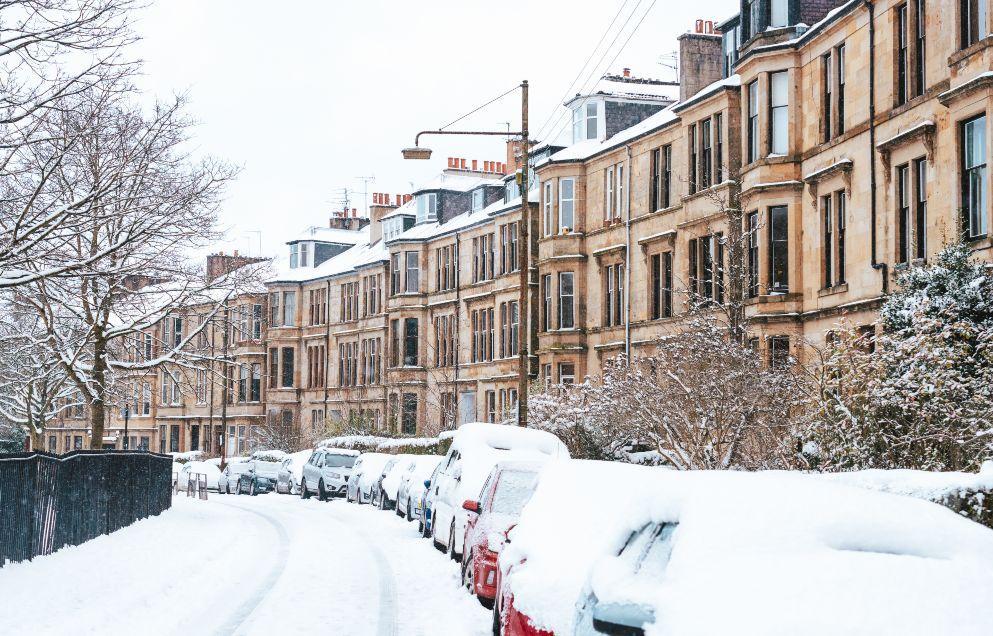
With winter still biting and temperatures showing little sign of rising, now’s the ideal moment for landlords to strengthen their property against the challenges the colder months bring. Harsh weather can take a toll on buildings of any age – from frozen pipes to roofing issues – and putting the right protections in place early can save you significant cost, disruption, and potential insurance claims later on.
Proactive winter maintenance doesn’t just safeguard the long term value of your investment; it also supports the comfort, safety, and wellbeing of your tenants.
In this short guide, we’ll walk through the most effective ways to check and protect your rental property throughout the winter season and beyond.
1. Service your boiler
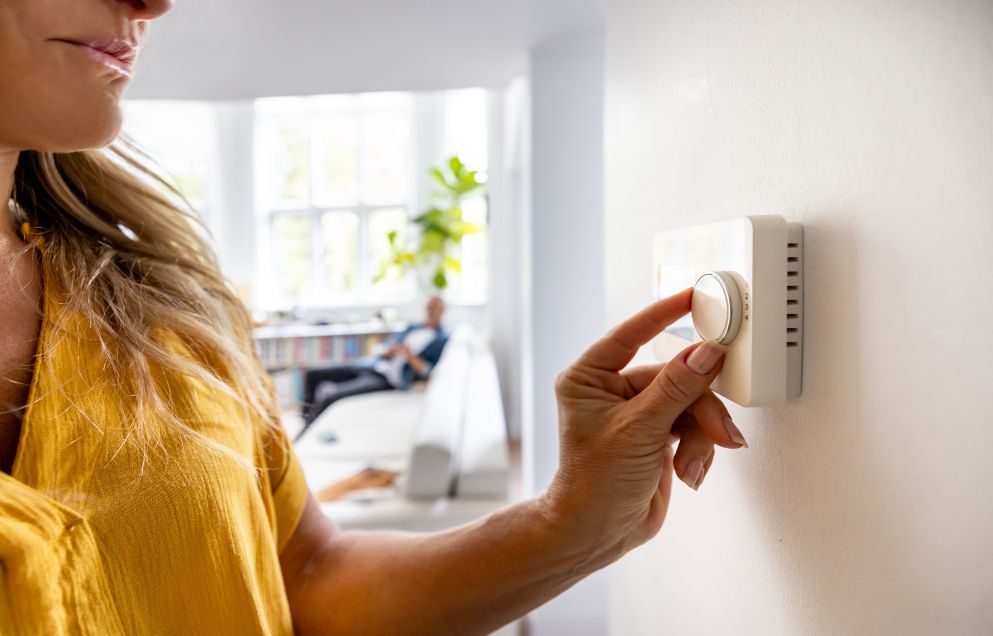
Keeping the boilers in your rental properties well maintained is one of the simplest and most cost effective winter readiness steps you can take. If they haven’t been serviced recently, arrange a Gas Safe engineer visit – an annual service is far cheaper than facing a breakdown or a full replacement in mid winter, especially with replacement costs typically ranging from £2,000 to £4,000.
During cold spells, advise tenants to keep the heating on at a low, steady setting to help prevent frozen pipes and avoid disruptive, costly damage.
It’s also worth checking radiator performance. Cool spots at the top usually mean they need bleeding – a quick task that improves efficiency, reduces strain on the boiler, and helps keep the property evenly heated.
2. Clear the gutters, check the roof
Any remaining autumn leaves and storm debris can quickly clog gutters and drains – and for landlords, this can turn into a costly problem if left unchecked. Blocked gutters cause water to overflow, which can then seep into the roof, external walls, or even down into the property’s interior. To avoid this, make sure gutters, downpipes, overflow pipes and drains are inspected and cleared by a qualified contractor. A quick clean up now can prevent damp issues, mould, and unnecessary insurance claims later.
It’s also good practice to have your roof inspected by a professional roofing contractor before the worst of the winter weather sets in. Loose tiles, cracked flashing, or small gaps may not seem urgent, but they’re exactly the kind of defects that can let in wind driven rain or snow. Catching and repairing these minor issues early helps protect your property, prevents avoidable damage for tenants, and saves you from facing larger – and more expensive – repairs down the line.
3. Prevent frozen pipes and water damage
Frozen pipes are one of the most common – and costly – causes of property damage during winter. When water inside a pipe freezes, it expands and can cause the pipe to crack or burst, often leading to significant escape of water damage throughout the property.
As a landlord, you can reduce the risk by following these simple steps:
- Keep the heating on low during cold spells - Advising tenants to keep the heating running at a low, steady temperature for a few hours each day can help maintain warmth in the pipework and prevent freezing – especially during sub zero conditions.
- Insulate vulnerable pipework - Pipes located in unheated areas such as lofts, basements, garages and crawl spaces are most at risk. Fitting pipe insulation (lagging) is a quick and inexpensive way to prevent temperature drops that lead to freezing.
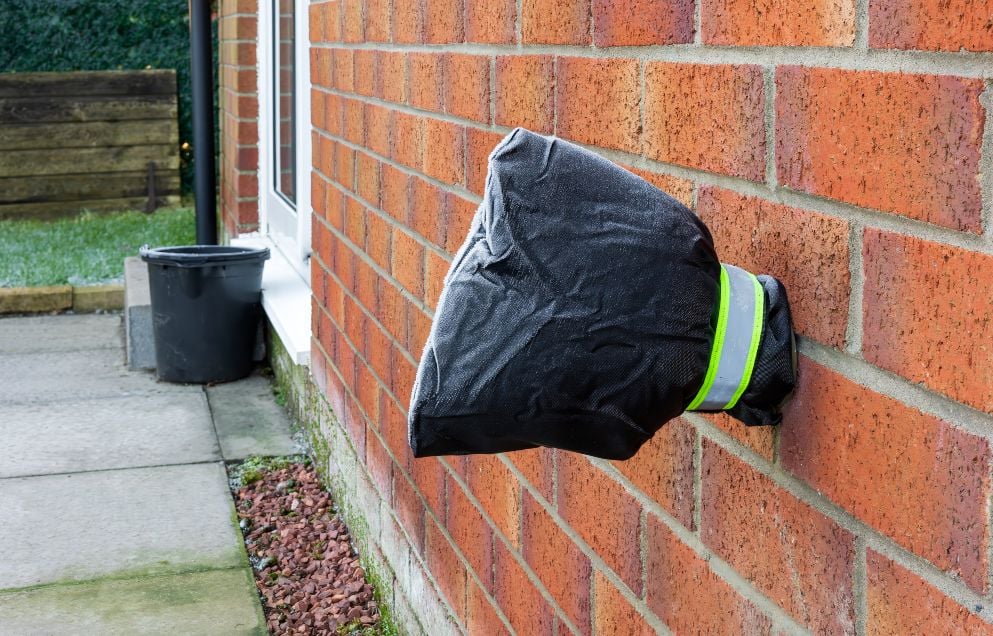
- Shut off and drain external taps - Outdoor taps, garden hoses and external pipework are especially likely to freeze. Turning off the external water supply at the stop tap and draining the system helps eliminate this risk altogether.
- Ensure the property is well insulated - Good insulation keeps the whole property warmer and reduces the risk of cold spots and frozen pipework. External pipes should also be insulated wherever possible, particularly if they are exposed to wind chill.
Being proactive not only protects the property and reduces the chance of winter related insurance claims, but also helps ensure your tenants enjoy a safe and comfortable home throughout the cold season.
4. Vacant properties – check your insurance
If your rental property is likely to be empty over a period of time – whether due to tenant travel, a void between lets, student term breaks, or seasonal turnover – it’s essential to check your insurance policy for any conditions that apply to unoccupied homes.
Most insurers treat a property differently once it has been vacant for a certain period (often 14, 30, or 60 days depending on the policy). If you have one of these shorter periods, and you feel it is an issue, Howden’s Edinburgh Property Team can offer a Let Property product with an extended 90-day period. Simply get in touch for a no-obligation quote.
During winter, these conditions can become even stricter because the risk of damage increases– particularly escape of water, burst pipes, theft or storm-related issues. Common insurer requirements for unoccupied rental properties may include:
- Notifying your insurer of the vacancy - Many policies require you to inform your insurer if the property will be empty beyond the permitted timeframe. Failing to do so can limit your cover or invalidate parts of the policy.
- Keeping the heating on at a minimum temperature - It’s common for insurers to require the heating to be maintained at a low but consistent level (often around 12–15°C) to prevent frozen pipes.
- Turning off and draining mains services - Some insurers may instead require you to switch off the water supply at the stopcock and drain the system – especially for longer periods of vacancy. This helps to reduce the risk of water damage if temperatures drop.
- Regular property inspections - You may be required to carry out (or arrange) documented inspections weekly or fortnightly. This helps ensure issues like leaks, storm damage, or security gaps are spotted early.
- Securing the property properly - Insurers often expect landlords to check that all doors, windows, and access points are locked, and sometimes to set any existing alarm systems.
Because conditions vary between insurers, it’s crucial to familiarise yourself with the exact requirements of your policy. Not adhering to them – even unintentionally – can reduce or invalidate your cover, leaving you financially exposed if anything happens while the property is empty.
Taking a few proactive steps now means peace of mind throughout winter and ensures your rental remains fully protected until it’s occupied again.
5. Keep your tenant informed, involved, and in a warm home
Rather than doing it all yourself, make sure your tenants pay their part, taking a few simple steps to reduce the risk of frozen pipes and water damage:
- Ask tenants to leave the heating on low while they’re away to help prevent pipes from freezing
- Make sure tenants know where the stopcock is so they can switch off the mains water quickly in an emergency
- Give tenants an emergency plan, including your preferred contact details and numbers for trusted contractors or plumbers
These quick precautions help protect the property and tenants within, ensuring issues are dealt with promptly if they arise – and all the while avoiding a claim or costly repairs.
If you’d like to discuss anything further, please contact Graeme in our Howden’s Edinburgh Property Team at [email protected] or 0131 553 2293.