


 Austria
 Belgium
 Denmark
 Estonia
 Finland
 France
 Germany
 Greece
 Iceland
 Ireland
 Italy
Italy
 Liechtenstein
 Netherland
 Norway
 Poland
 Portugal
 Spain
Spain
 Sweden
 Switzerland
 Turkey
 United Kingdom
 Australia
 Hong Kong
 New Zealand
 India
India
 Indonesia
 Japan
Japan
 Malaysia
 Philippines
 Singapore
 Thailand
 Brazil
 Chile
Chile
 Colombia
 Mexico
 Peru
Peru
 USA
USA
 Bahrain
 Israel
 Morocco
 Oman
Oman
 UAE
UAE
 Saudi Arabia
 Tanzania
Will China’s EV breakthrough help hospitality to go green?
As the world grapples with climate change and tighter emissions regulations, the hospitality industry is under growing pressure to adopt more sustainable practices. From energy-efficient buildings to reduced food waste, the move toward greener operations is picking up speed. But one significant area ripe for transformation is transport, in particular the fleets of vehicles supporting hotels, resorts, and restaurants. China’s rapid advancements in electric vehicle (EV) technology, especially in ultra-fast charging, could offer a powerful solution. Yet, global politics and market dynamics may play a critical role in how soon this potential is realised in the UK.
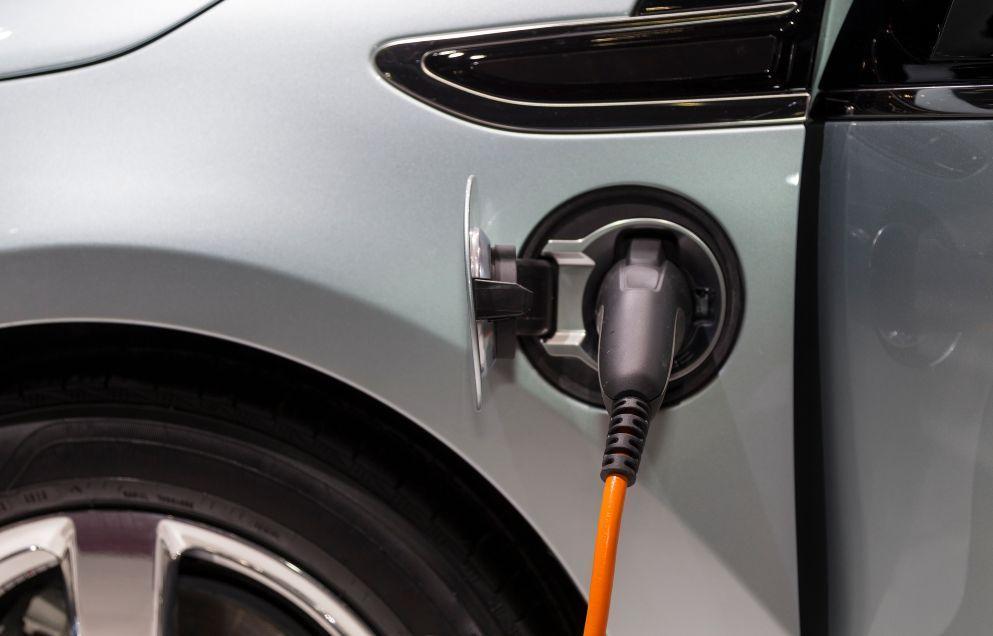
China leading the charge
China has emerged as a global leader in electric vehicles, producing and consuming more EVs than any other nation. However, it’s not just about quantity as Chinese manufacturers are pushing the boundaries of technology, especially when it comes to charging speed. The latest innovation: ultra-fast charging batteries that can reach 80% charge in under 10 minutes, and potentially less than 5. This addresses one of the most persistent barriers to commercial EV adoption in that long charging times put many potential customers off, and opens up new opportunities for sectors that rely on vehicle mobility, including hospitality.
Hospitality's hidden emissions source
Hotels, resorts, and other hospitality providers often operate a fleet of vehicles, ranging from airport shuttles and delivery vans to guest transport and maintenance vehicles. Traditionally fuelled by petrol or diesel, these fleets can be a significant source of both carbon and noise emissions.
Fast-charging EVs could transform this landscape. Imagine a hotel shuttle that operates all day with minimal charging downtime, or a chain of restaurants delivering meals via zero-emissions vehicles without disrupting service schedules. With quicker turnaround times and the potential for overnight or short-burst charging, EVs are becoming a far more realistic option for high-usage hospitality fleets.
The trade war wildcard: risk or opportunity?
However, the path to widespread EV adoption in the UK is not without its complications, particularly when it comes to using Chinese manufacturing and technology. The ongoing trade tensions between China and the United States are rippling across global markets, and the UK may find itself caught in the crosswinds.
On the downside, there’s a possibility that Chinese-made EVs could become more expensive or harder to access due to increased tariffs, regulatory scrutiny, or geopolitical pressures. If the UK chooses to align with US-led restrictions on Chinese tech, this could impact the availability and cost of vehicles, parts, and battery systems.
Conversely, the trade war could create a unique opportunity. As China looks to offset reduced access to the US market, it may turn more aggressively toward Europe and the UK, offering attractive pricing, partnerships, or turnkey fleet solutions. In this light, UK hospitality businesses may find themselves being actively courted by Chinese EV makers eager to expand into Western markets and willing to offer compelling deals to do so.
When will these vehicles be available?
While Chinese fast-charging EVs are already in use domestically, widespread international deployment is just around the corner. Over the following year, several major Chinese EV brands, including BYD, XPeng, and NIO, have announced plans to launch new models in the UK and EU, featuring next-gen battery and charging technologies.
By the end of 2027, commercial and hospitality-specific fleet models including shuttles, minibuses, and utility vans are expected to become widely available. This timeline includes time for regulatory approvals, infrastructure development, and scaling of production and distribution.
For hospitality businesses, the next two years offer a critical window to prepare: assessing transport needs, piloting EVs on smaller routes, and exploring partnerships with charging providers or vehicle leasing firms. By the time these fast-charging models hit the market at scale, early adopters will be ready to integrate them seamlessly.
More than just green credentials
Aside from sustainability goals, the shift to EVs can also bring tangible operational benefits. EVs typically have lower running costs than petrol or diesel vehicles, with fewer moving parts and reduced maintenance requirements. For brands managing fleets across multiple properties, these savings can be substantial over time.
Moreover, EV adoption enhances brand perception. Today’s travellers, particularly millennials and Gen Z, are placing increasing importance on sustainability when choosing where to stay, eat, or host events. A visible commitment to green transport, from airport pick-ups to food deliveries, can set a brand apart in a competitive marketplace.
Charging ahead
Of course, EV adoption hinges on infrastructure. Hotels in urban centres may benefit from growing public charging networks, while more remote or rural properties might need to invest in onsite solutions. Fortunately, Chinese firms are also innovating here by developing modular, scalable charging systems that could be deployed across hotel car parks, logistics hubs, or even temporary event venues.
The road to sustainability is never simple, but with China leading the charge on EV innovation, and the UK potentially well-positioned to benefit from shifting trade dynamics, the opportunity is clear. Fast-charging EVs are poised to help the hospitality sector reduce emissions, lower costs and appeal to the modern eco-conscious guest, provided the industry is ready to follow China’s lead.