


 Austria
 Belgium
 Denmark
 Estonia
 Finland
 France
 Germany
 Greece
 Iceland
 Ireland
 Italy
Italy
 Liechtenstein
 Netherland
 Norway
 Poland
 Portugal
 Spain
Spain
 Sweden
 Switzerland
 Turkey
 United Kingdom
 Australia
 Hong Kong
 New Zealand
 India
India
 Indonesia
 Japan
Japan
 Malaysia
 Philippines
 Singapore
 Thailand
 Brazil
 Chile
Chile
 Colombia
 Mexico
 Peru
Peru
 USA
USA
 Bahrain
 Israel
 Morocco
 Oman
Oman
 UAE
UAE
 Saudi Arabia
 Tanzania
The Spring Statement - did it fail hospitality?
The Spring Statement was seen by many across the UK hospitality industry as a last chance to help businesses before the significant changes announced during last October’s Autumn Budget take effect.
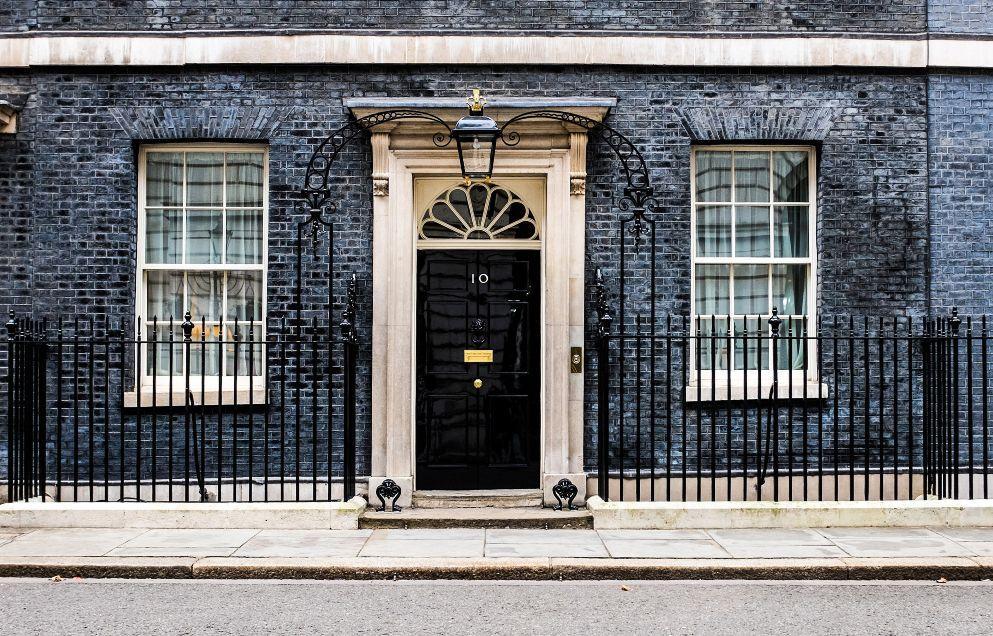
In her 30-minute speech on Wednesday, however, Chancellor Rachel Reeves prioritised welfare cuts and defence spending, with little mention of the adjustments to National Insurance contributions, business rates relief, and wage structures that will kick in on 1 April and leave many businesses struggling to maintain profitability.
What changes are coming into effect?
Last year’s Autumn Budget unveiled a series of measures designed to bring in additional revenue to the treasury without Labour breaking its election pledge to not “raise taxes on working people”. Among the most consequential for the hospitality sector was the confirmation of an increase in employers' National Insurance contributions (NICs) from 13.8% to 15% and lowering the threshold for businesses from £9,100 to £5,000.
Compounding the financial strain, April will also see a reduction in business rates relief for hospitality, from a 75% discount to 40% – capped at £110,000 per business, as well as an increase in the National Living Wage to £12.21 per hour, with a notable 16% increase for 18–20-year-olds, lifting their minimum wage to £10 per hour.
A ‘cliff edge’ for businesses
While these will help the nation’s financial position, with a projected figure of £25bn per annum, the impact on the hospitality sector could be disastrous. So much so that the CEO of UKHospitality, Kate Nicholls, remarked of the Spring Statement: "Today[…] was yet another missed opportunity to avoid an April cliff edge, which will level a devastating £3.4bn annual increase to the sector’s tax bill.”
She continued: “The Government’s own analysis shows the failure to address the employer NICs threshold will force businesses to freeze recruitment, reduce hours available for staff and reduce employment levels in the very sectors the Government needs to achieve its goal to get people off welfare.”
A challenge to maintain profitability
The reduction in business rates relief alone is projected to result in an average 140% rise in business rates bills for more than 250,000 high street premises in England. Restaurants, for instance, could see their average bill increase from £5,051 to £12,122, according to research from commercial real estate intelligence firm, Altus Group.
The cumulative effect of increased NICs, reduced business rates relief, and higher wage obligations comes after an extremely challenging few years for the sector. Many businesses, particularly small and medium-sized enterprises operating on thin margins, will find it increasingly difficult to stay in profit, meaning pubs, restaurants and hotels are forced to close, instigate significant job losses, or raise prices for customers.
Months of lobbying from the sector for supportive measures seems to have had little effect on the treasury, which in turn seems to be at the mercy of events. The Chancellor’s £10bn headroom has all but been wiped out by the rising cost of servicing the UK’s debt, while the fallout from President Trump’s tariffs war could present further problems. This has led the Director of the Institute for Fiscal Studies, Paul Johnson, to suggest that tax rises may need to happen in the 2025 Autumn Budget.
Help for businesses
With limited government support, help has to come from within the sector itself. With this in mind, Howden is offering the chance for a business to WIN £10,000 to help them through this difficult time. To apply, follow this link, and tell us your story about how the Autumn Budget will impact your business. Entries will be accepted until May 20, with the winner chosen shortly afterwards from a final shortlist of 10.