


 Austria
 Belgium
 Denmark
 Estonia
 Finland
 France
 Germany
 Greece
 Iceland
 Ireland
 Italy
Italy
 Liechtenstein
 Netherland
 Norway
 Poland
 Portugal
 Spain
Spain
 Sweden
 Switzerland
 Turkey
 United Kingdom
 Australia
 Hong Kong
 New Zealand
 India
India
 Indonesia
 Japan
Japan
 Malaysia
 Philippines
 Singapore
 Thailand
 Brazil
 Chile
Chile
 Colombia
 Mexico
 Peru
Peru
 USA
USA
 Bahrain
 Israel
 Morocco
 Oman
Oman
 UAE
UAE
 Saudi Arabia
 Tanzania
The hidden risks of buildings’ underinsurance in schools
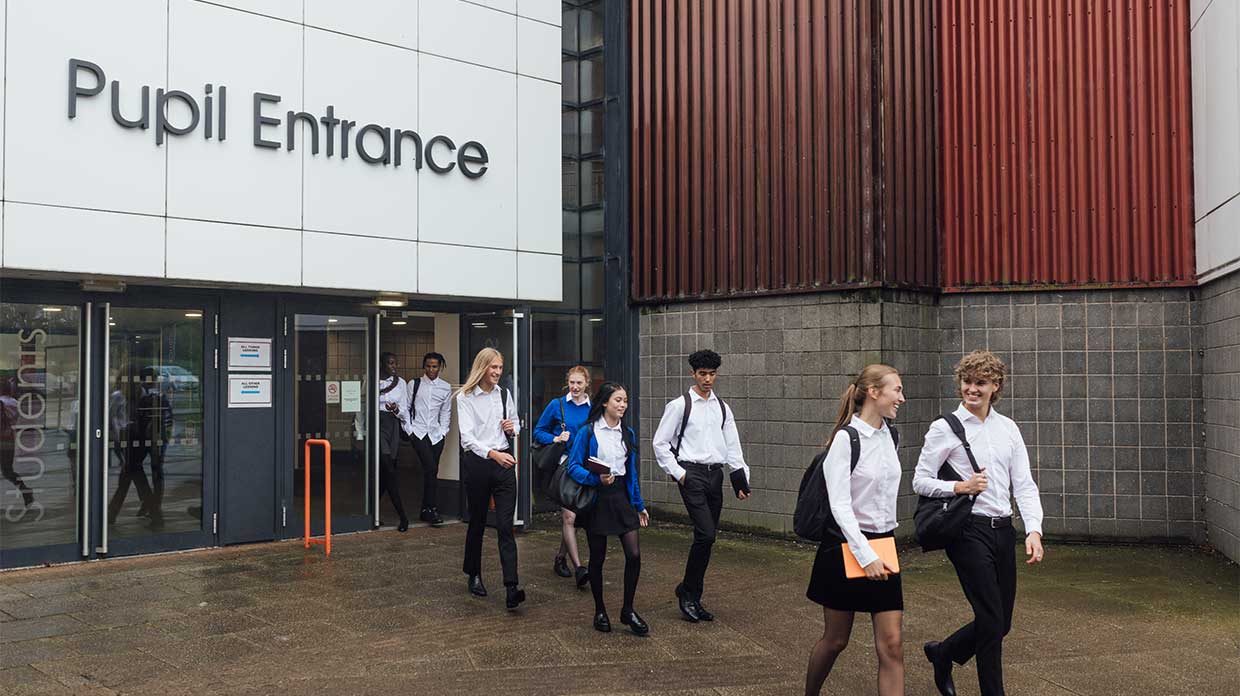
When it comes to safeguarding educational institutions, underinsurance and the problems it creates can often be overlooked. A survey undertaken on school buildings over the past three years has shed light on a concerning trend*: 61% of school buildings, including primary schools, secondary schools, and universities, are underinsured by an average of 58%. This underinsurance poses significant risks, especially in the face of potential disasters such as fire or extreme weather events.
The financial implications
With such a high percentage of buildings underinsured, the financial implications of a disaster could be devastating. Imagine a scenario where a school building is severely damaged by a fire or a storm. If the building is underinsured, the insurance payout will fall short of the actual cost required to rebuild or repair the facility. This shortfall can lead to prolonged closures, disrupted education, and significant financial strain on the education provider.
The consequences of underinsurance
- Inadequate payouts - when a school building is underinsured, the insurance payout, should a claim be necessary, won’t cover the full cost of rebuilding or repairs. For example, if a building insured for £500,000 actually requires £1 million to rebuild, it would be underinsured by 50%. As a consequence, the insurer would look to only pay half of any claim made, to reflect the percentage of cover that had been taken out. The school would therefore only receive a fraction of the necessary funds, leaving a substantial financial gap.
- Extended closures - without sufficient funds to cover repairs, schools may face extended closures. This not only disrupts the education of students but also places additional stress on teachers, staff, and families who rely on the school's services.
- Financial strain - the financial burden of covering the shortfall can be overwhelming. Schools may need to divert funds from other critical areas, such as educational programmes, to cover the costs of rebuilding.
- Increased vulnerability - underinsured schools are more vulnerable to future incidents. Without the right level of insurance, they may struggle to recover fully from a disaster, leaving them in a weakened state and more susceptible to future risks.
The importance of adequate insurance coverage
Ensuring that school buildings are adequately insured is not just a financial necessity; it's a crucial aspect of risk management. Schools must regularly review and update their insurance policies to reflect the true value of their buildings and contents. This includes considering the rising costs of construction materials and labour, as well as any upgrades or additions to the property.
Taking action
To mitigate the risks of underinsurance, schools should:
- Conduct regular valuation assessments: regularly evaluate insurance cover to ensure it aligns with the current value of the buildings and contents
- Engage professional valuers: use professional valuation services to obtain accurate assessments of the rebuilding costs
- Review policies annually: make it a practice to review and update insurance policies annually to account for any changes in property value or insurance requirements
- Educate stakeholders: raise awareness among school administrators, staff, and policymakers about the importance of adequate insurance cover and the risks of underinsurance
The issue of buildings underinsurance in schools is a pressing concern. By taking proactive steps to ensure adequate insurance cover, schools can protect themselves from the financial fallout of potential disasters and ensure a safe, more secure environment for students and staff.
______________________________
*Stats taken from an MI report created by Barrett Corp & Harrington Ltd (BCH), a RICS regulated company, which provides professional and reliable building insurance rebuilding cost valuations across the UK and Europe.