


 Austria
 Belgium
 Denmark
 Estonia
 Finland
 France
 Germany
 Greece
 Iceland
 Ireland
 Italy
Italy
 Liechtenstein
 Netherland
 Norway
 Poland
 Portugal
 Spain
Spain
 Sweden
 Switzerland
 Turkey
 United Kingdom
 Australia
 Hong Kong
 New Zealand
 India
India
 Indonesia
 Japan
Japan
 Malaysia
 Philippines
 Singapore
 Thailand
 Brazil
 Chile
Chile
 Colombia
 Mexico
 Peru
Peru
 USA
USA
 Bahrain
 Israel
 Morocco
 Oman
Oman
 UAE
UAE
 Saudi Arabia
 Tanzania
The rise of experiential dining
Though going out to a restaurant can be an experience in itself, increasingly diners are asking for more from their venue. The 2025 Global Restaurant Trends Forecast by research and consulting firm Technomic, shows that more people are looking for an immersive experience when going out for dinner, something that can be a talking point, create a long-lasting memory or perhaps content for their social media posts.
Another survey by Opentable showed 42% of diners are more interested in experiential dining now compared to last year, leading more and more hospitality businesses to up their game. So, what is it exactly, why is it increasingly popular and what can hospitality businesses do to lean into the trend?
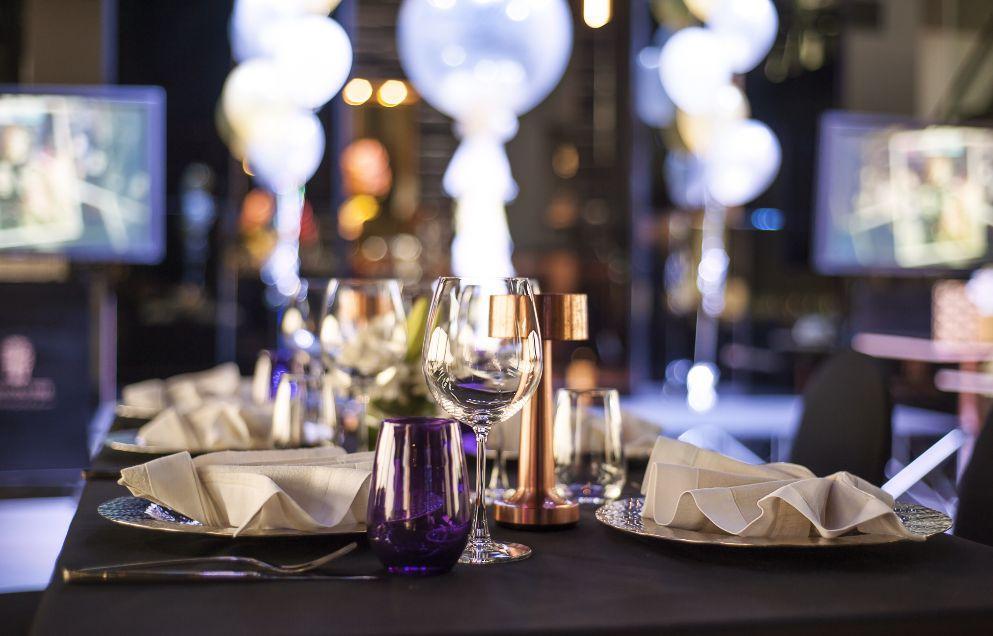
Food with escapism
Ultimately, experiential dining is about transforming a meal into a multi-sensory, escapist experience. This might involve being transported to a different era, dining in an unexpected location or becoming part of a theatrical storyline. The goal is to create lasting memories, capturing the imagination of a new generation of diners who value experiences as highly as the food.
Some of London’s most talked-about restaurants have embraced this concept. For example, The Murdér Express invites guests aboard a fictional 1930s train where they enjoy a fine-dining menu while a murder mystery unfolds around them. Alcotraz, on the other hand, is a prison-themed cocktail bar where guests wear orange jumpsuits and smuggle their own spirits past guards to create personalised drinks. Then there is Avora, an immersive forest bar experience where sustainability and storytelling meet in a vividly designed world with cocktails that change colour to the lighting. London-based magazine, Time Out, offers its own regular suggestions, with its top ten unique dining experiences ranging from Austrian beerhalls to a restaurant in Brixton prison.
However, the trend is not limited to the capital. Across the UK, businesses are reimagining what a meal out can be. In various locations across the country, Taste Film runs nights that provide an immersive cinema dining experience where each course is synchronised with key moments of a classic film. In Edinburgh, The Secret Herb Garden blends botanical dining with glasshouse surroundings and a focus on nature, drawing guests in with its aesthetic as much as its menu. Hidden Harewood in Yorkshire offers its own more extreme take on this, with outdoor dining that takes guests to secret locations across the Harewood Estate.

How a hospitality business can capitalise on the trend
With such nights creating talking points online, they can do a lot for a restaurant or hotel’s brand and reputation. The first step for any hospitality business looking to create an experiential dining experience is to identify a theme or concept that resonates. Beyond a headline-grabbing gimmick, people want a fun night out that is genuinely different while also having substance. It must be authentic to the venue and offer something that diners cannot easily replicate at home.
This does not necessarily mean investing in elaborate set design or hiring actors, although for some venues this works brilliantly. It could be as simple as creating an exclusive chef’s table experience, holding a one-night-only collaboration with a local artist, or designing a menu that takes guests on a culinary journey across different cultures or decades. An example could be one that celebrates famous authors by having dishes influenced by where they are from or from the time and place where their books are set.
Next, consider the atmosphere. Lighting, music, scent and texture all contribute to a sense of occasion. Staff should be briefed not just on the food but also on how to contribute to the overall experience, whether through storytelling, costume or service style. The more convincing they are, the more people will buy into the fantasy you are creating, and the more fun they will have.
Marketing is also key to make sure you get enough seats filled to justify any additional costs. Word-of-mouth and social media play huge roles in the success of experiential nights. Ensure the concept is clearly communicated through visuals and descriptions online. Encourage guests to share their experience and create ‘Instagrammable’ moments that naturally generate interest.
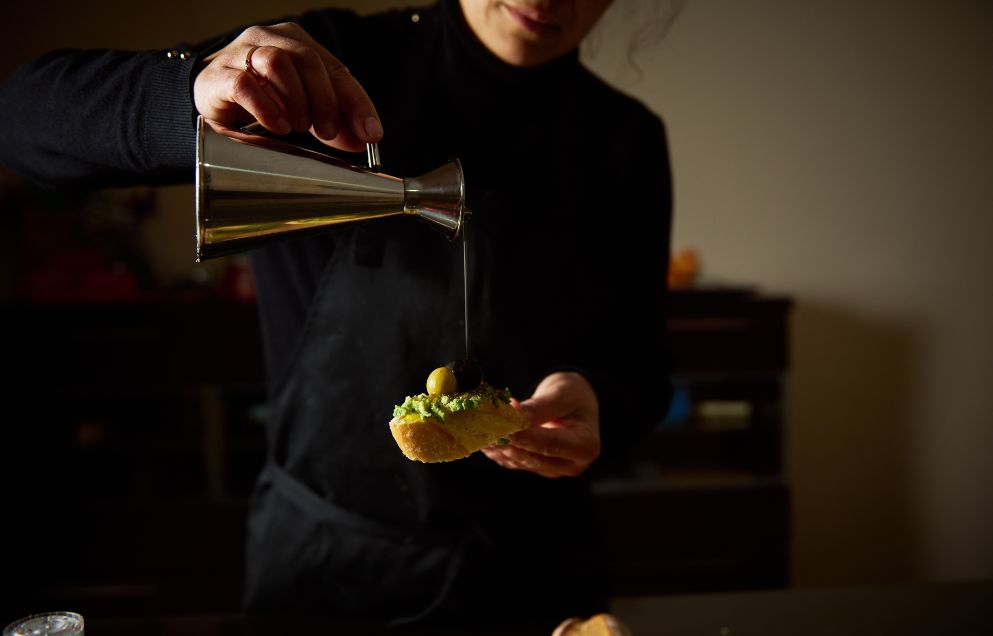
Great experiences need great food
Importantly, while the focus may be on the experience, the quality of the food and drink must not be compromised. No matter how creative the setting, diners still expect flavour, presentation and value. The most successful experiential venues strike a balance between concept and culinary excellence.
As the demand for meaningful, memorable and interactive experiences continues to grow, experiential dining is likely to become a defining feature of the modern hospitality industry. For businesses willing to think beyond the plate, this trend offers an opportunity not just to serve meals, but to tell stories, create moments and forge emotional connections with their guests.
Whether it is through drama, nostalgia, sustainability or sheer spectacle, dining is no longer just about food. It is about feeling or experiencing something unique, and it is something people are increasingly hungry for.
Have you had success with experiential dining? We’d love to feature you, so please get in touch with us.