


 Austria
 Belgium
 Denmark
 Estonia
 Finland
 France
 Germany
 Greece
 Iceland
 Ireland
 Italy
Italy
 Liechtenstein
 Netherland
 Norway
 Poland
 Portugal
 Spain
Spain
 Sweden
 Switzerland
 Turkey
 United Kingdom
 Australia
 Hong Kong
 New Zealand
 India
India
 Indonesia
 Japan
Japan
 Malaysia
 Philippines
 Singapore
 Thailand
 Brazil
 Chile
Chile
 Colombia
 Mexico
 Peru
Peru
 USA
USA
 Bahrain
 Israel
 Morocco
 Oman
Oman
 UAE
UAE
 Saudi Arabia
 Tanzania
Britain’s love affair with hotel lounges: Are they the new co-working spaces?
In recent years, Britain has witnessed a shift in how professionals choose their work environments. With the rise of hybrid working, public spaces such as cafes and coffee shops have become a second home for many looking for a break from their living room sofa. But for those who don’t want to feel pressured to purchase, or people who want something less formal than a co-working office, hotel lounges are increasingly being seen as an appealing alternative. This emerging trend raises an intriguing question: how can hotels capitalise on this behaviour to boost revenue and enhance brand loyalty?
All the benefits for workers, without the downsides
A recent report by the UK’s Office for National Statistics shows that for the first three months of 2025, around 28 per cent of Britons worked in a hybrid pattern, splitting time between home and other locations. These workers, typically higher-earning and highly skilled individuals between the ages of 30-49, are looking for versatile spaces that combine comfort and low fuss. For many, hotel lounges tick all those boxes.
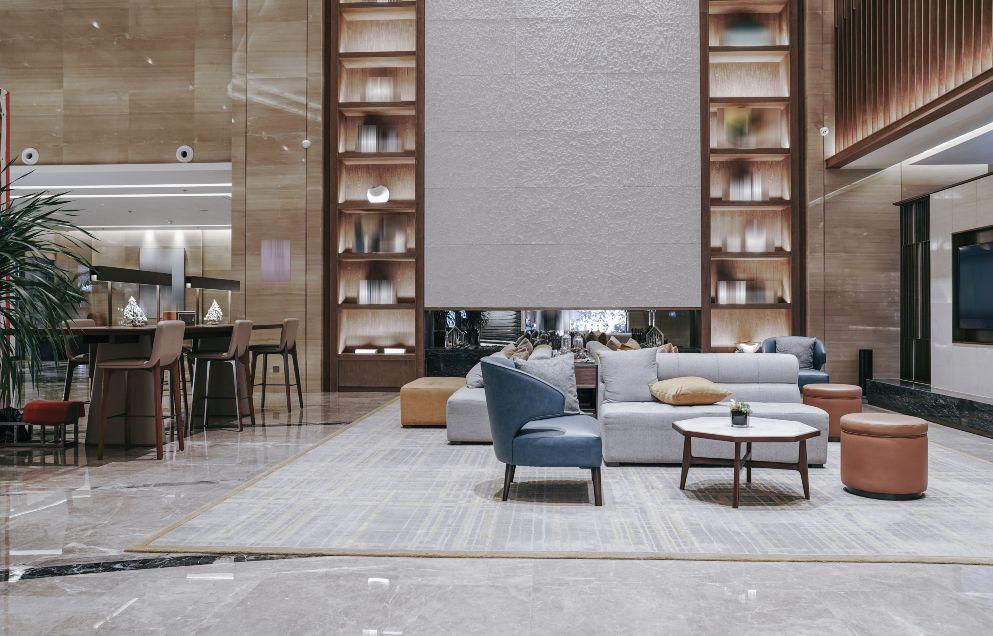
What makes hotels so attractive? Unlike noisy coffee shops, lounges often feature spacious, comfortable seating and calmer environments. They typically provide reliable Wi-Fi, power outlets at tables and layouts suitable for remote meetings. Hospitality staff can also offer food and drinks, often without the need to leave your seat and expensive equipment sitting on the table. Moreover, hotel lounges tend to host a blend of business travellers and guests in town for a specific purpose, fostering a subtle sense of a professional environment without the same stresses as an office.
Some international hotel chains have already recognised this trend. A few years ago, Accor launched its “commute and stay” package in its UK hotels. It offers discounted long-day access to lounge facilities, flexible bookings, and food and drink packages. Similarly, Crowne Plaza, an IHG brand, has been updating properties across Europe to include dedicated studios and social lounges aimed at travellers blending work and leisure.

‘Workcation’ spaces
Other hotels are leaning into the idea that their lobbies can provide an additional revenue stream during the day. The pitch is that they can offer more facilities, such as wellness centres, gyms and a bar for the end of the work day. It’s a compelling argument and suits many higher-end professionals who want to avoid burnout by having onsite facilities that can help them relax during working hours.
The trend for ‘workcations’, people blending travel and work, is basically a new term for doing what digital nomads have been doing for many years. A recent Yougov poll found that 37 per cent of its British respondents were interested in a holiday combining work and travel, and some Airbnbs and holiday lets are also now set up for people who need a workspace while away.
Building loyalty
Beyond immediate revenue, offering co-working style lounge access can also foster brand loyalty. Frequent users of hotel lounges may accumulate loyalty points, enjoy personalised service, and feel a deeper connection to the brand. If the workspaces are good and provide everything they need, they may come to view a particular hotel chain as their default workspace when travelling or simply wanting a change of environment. Convenience and predictability over time can lead to repeat stays and even recommendations to colleagues and friends.
The hybrid hospitality model is not limited to hotels alone. Brands like The Social Hub have built successful businesses around communal spaces that bring together students, freelancers and business travellers under one roof.

A hotel’s considerations
So, if the demand is there, what can hotels do to stop being overwhelmed by everyone who wants a free, calm place to set up their laptop? First, they can introduce day-use passes or memberships. Rather like co-working providers, hotels can sell access to lounges by the hour or day. Second, they can bundle lounge access into wider packages. This may include lunch, snacks, drink tokens, or even use of meeting rooms at preferential rates. As guests linger longer, they will likely spend more on food and drink, boosting F&B revenue, which has for the last few years been underperforming as a contribution to profit.
Designing for work and comfort
Hotels should ensure lounges are equipped for work. Fast and reliable Wi-Fi is a must, while comfortable chairs and spacious tables should be complemented by ample power sockets. Acoustics matter too, with soundproofing or subtle background music maintaining the right atmosphere. Having staff trained to support the remote worker, such as offering laptop-friendly food options and having the availability of meeting rooms to hand, also helps.
Marketing is key, and hotels can position lounge access as part of a premium working experience. This can be communicated via email campaigns targeting loyalty members, pop-up banners on booking platforms, or by partnering with local businesses and networks. For example, offering employer-sponsored hotel co-working days, where a company buys passes for its hybrid staff, could open new corporate revenue streams. Hosting regular events such as informal networking breakfasts or after-work aperitifs can reinforce the lounge as a space designed for both work and connection.

Balancing the guest experience
While there are a lot of upsides for hotels, there are risks. The needs of working guests and overnight residents must be balanced. Many visitors don’t want to feel like they are back at the office. Compartmentalising spaces can help, with dedicated zones for work so other guests don’t have to walk through a room full of people on Teams meetings. Pricing must also be fair, with day-use passes priced lower than room rates but high enough to cover costs.
Hotels have long understood every guest has their own needs – positive reviews are vital and bad ones can have long-term implications. It’s a balancing act that becomes a little more complicated by throwing co-working spaces into the mix. But the benefits in increased revenue mean, particularly for larger hotels, the positives are worth it.
For hotels that embrace this change thoughtfully, there is potential to build deeper relationships with a growing base of hybrid workers. By offering well-designed, flexible and service-rich lounge environments, hotels can position themselves as the go-to workspace for professionals seeking an alternative to home or the office, and in the process transform the idea of what a hotel is and what it will look like in the future.