
 Austria
 Belgium
 Denmark
 Estonia
 Finland
 France
 Germany
 Greece
 Iceland
 Ireland
 Italy
Italy
 Liechtenstein
 Netherland
 Norway
 Poland
 Portugal
 Spain
Spain
 Sweden
 Switzerland
 Turkey
 United Kingdom
 Australia
 Fiji
Fiji
 Hong Kong
 India
India
 New Zealand
 Indonesia
 Japan
Japan
 Malaysia
 Philippines
 Singapore
 Thailand
 Brazil
 Chile
Chile
 Colombia
 Mexico
 Peru
Peru
 USA
USA
 Bahrain
 Israel
 Morocco
 Oman
Oman
 UAE
UAE
 Saudi Arabia
 Tanzania
Cracks beneath the surface: How the UK’s hot summer is impacting properties
Written by Lucy Frost, Corporate Claims Servicing Director.
This summer, the UK has experienced one of its hottest and driest seasons in recent history. According to the Met Office, all four nations recorded their warmest spring since records began in 1884, and the trend continued into summer with prolonged dry spells and below-average rainfall, particularly in England, where some regions received just 56 per cent of their seasonal average.
Whilst the prolonged sunshine may have been welcome for most, the extended dry conditions have had a less visible but potentially serious impact on properties across the UK, with many starting to show signs of subsidence.
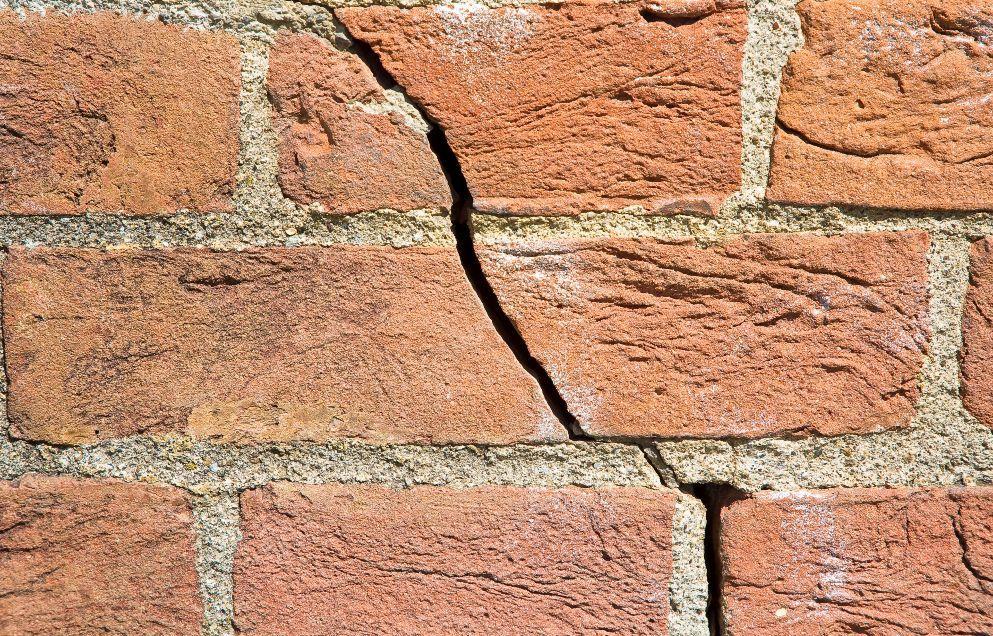
What is subsidence and why is it a concern for property owners?
Subsidence occurs when the ground beneath a building sinks, causing its foundations to shift. This is often triggered by soil losing moisture and contracting, especially clay-rich soils, which are prevalent across the UK. Trees, shrubs, and even underground infrastructure like leaking drains can also exacerbate the issue by disturbing the normal moisture levels of the ground.
The Association of British Insurers (ABI) reports that subsidence-related insurance claims reached £153 million in the first half of 2025, affecting nearly 9,000 properties. The average payout per claim was £17,264. Louise Clark, Manager of General Insurance Policy at the ABI, warns that “climate change is significantly increasing the risk of subsidence in the UK”, particularly in areas with clay-heavy ground.
For property owners, the financial and operational impact of subsidence can be significant, especially in residential properties if homeowners or tenants need to be re-homed during repairs.
Spotting the signs of subsidence
Early detection is key. Residents and property owners should be alert to:
- Diagonal cracks in walls, especially those wider at the top than the bottom and more than 3mm wide
- Cracks appearing both internally and externally, particularly around structural openings like doors and windows
- Doors and windows that begin to stick or misalign without a clear cause
- Uneven floors or sudden changes in slope across walkways or corridors
These signs may appear suddenly, especially following extended dry weather. Not all structural movement is subsidence, but if in doubt, it’s essential to seek professional advice.
Climate change and other emerging property risks
Subsidence isn’t the only property risk being amplified by the UK’s changing climate. Rising temperatures and erratic weather patterns are also contributing to an increase in claims related to:
- Storm damage, strong winds combined with intense rainfall causing damage to roofs
- Flash flooding, leaving many properties under water and unoccupiable
- Fires are much more likely due to dried out vegetation and the use of machinery in rural locations
These evolving risks highlight the importance of proactive property management, undertaking regular checks on the condition of your roof and safeguarding valuable contents or stock above flood level.
What should you do?
If you suspect subsidence in a property and hold buildings insurance, get in touch with your Howden contact immediately. Many buildings insurance policies include subsidence cover, though an excess typically applies.
Your insurer may appoint a loss adjuster or structural engineer to assess the damage and determine the cause before proceeding with a repair plan.
Final thoughts
As climate patterns shift and extreme weather becomes more frequent, subsidence is likely to remain a growing concern for property owners and landlords. Staying informed, spotting the signs early, and acting quickly can help mitigate risk and protect your investment.
In addition, it’s a timely reminder to ensure your policies have the necessary additional covers for alternative accommodation, loss of rent or business interruption if your property needs to be vacated.
If you’re concerned about subsidence or have noticed any of the warning signs, don’t wait to speak to your Howden contact today.
Lucy Frost
Lucy joined Howden as Regional Claims Manager in 2021 having commenced her Claims career at an independent brokerage in 2001.
As Corporate Claims Servicing Director Lucy is responsible for the delivery of the claims programme to our largest clients working closely in conjunction with our Claims Executives.
Lucy has extensive experience in supporting corporate businesses with their claims strategy as well as leading and managing teams and driving insurer performance. Lucy is passionate about building relationships and getting the best possible claims outcomes for Howden clients.