
 Austria
 Belgium
 Estonia
 Finland
 France
 Germany
 Greece
 Iceland
 Ireland
 Italy
Italy
 Netherlands
 Norway
 Poland
 Portugal
 Spain
Spain
 Sweden
 Switzerland
 Turkey
 United Kingdom
 Australia
 New Zealand
 Hong Kong
 India
India
 Indonesia
 Japan
Japan
 Malaysia
 Philippines
 Singapore
 Thailand
 Brazil
 Chile
Chile
 Colombia
 Mexico
 Peru
Peru
 USA
USA
 Bahrain
 Israel
 Morocco
 Oman
Oman
 Tanzania
 UAE
UAE
 Turkey
Subcontractor risk and the protections you need
Examining the risks associated with using subcontractors, and how to mitigate your exposure

With great manpower comes great responsibility and risk
Subcontractors are invaluable in bringing specialist expertise and manpower to different stages of construction. But they also come with risks that can affect a project’s performance—its quality, cost, schedule, and safety—and your ultimate liability.
Industry studies have shown that insurance claims in construction are largely attributed to subcontractors. Indeed, subcontractors are responsible for most defective workmanship claims, scope disputes, and safety-related incidents.* In some cases, the consequences can be catastrophic—and the fallout lands with you.
In this guide, we look at the risks associated with using subcontractors, and things you can do to mitigate your exposure.
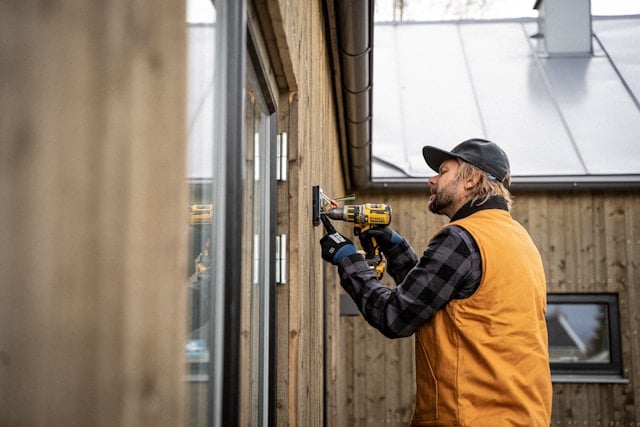
Subcontractors account for most defective workmanship claims and safety-related incidents*
The risks of using subcontractors
To deliver projects efficiently, you’ll need to outsource portions of the work to subcontractors from different trades. While this division of labor allows you to scale projects and access specialist talent, it also creates dependencies that can destabilize a job if not properly managed.
Quality and workmanship
While some subcontractors are highly skilled and meticulous in their craft, others not so much. Poor workmanship can result in all manner of defects—from the unesthetic to the unsafe. As the general contractor, you’ll be held responsible for any substandard work, and suffer the knock-on effects like re-dos, delays, and the costs that these incur. You may also be exposed to warranty and liability claims and litigation. Plus your reputation is at stake.
Safety incidents
Subcontractors often bring their own crews and safety cultures, and these may not align with yours. Disparate safety standards increase the risk of workplace accidents. And, under OSHA regulations, you can be held responsible for your subcontractors’ violations. The consequences could include employee injuries, regulatory penalties, high insurance premiums, and legal liability.
Schedule coordination
Building projects rely on tightly sequenced activities. Delays caused by one subcontractor can cascade to the next and right across the project, as missed deadlines force both downstream trades and parallel tasks to also be pushed back. These sorts of delays can lead to project overruns, liquidated damages, and strained relationships with operators.
Compliance and litigation
Hiring subcontractors can leave you legally exposed, and the upshot may mean shutting down a project or facing regulatory fines and lawsuits. Potential issues range from employment misclassification and labor law violation to breach of building codes, immigration rules, wage compliance, and ban-the-box initiatives.
Contract disagreements
Subcontractors can be known to contest the boundaries of a brief, arguing that certain tasks fall outside of their scope and contractual obligations. If there’s any ambiguity in your subcontract agreement, this can lead to change order disputes, unexpected costs, and team friction. Conflicts like this are often resolved through litigation, which can further slow a project and add to your costs.
Relationships and reputations
If your subcontractors make a mistake, big or small, the reputational damage falls on you—even if you’re not at fault. As the primary contract party, it’s usually the general contractor who’s held responsible—by clients, lenders, and insurers alike. This can lead to strained relations and potential loss of business.
Payment disputes
Cash flow is a perennial challenge in construction. Subcontractors may demand accelerated payments, while general contractors rely on owner disbursements. Payment disputes can result in mechanics’ liens and work stoppages—or your tradespeople might abandon a project altogether. The outcome could be project interruptions, lien exposure, and reputational harm.
Ways to mitigate your exposure
Get your due diligence right
Before hiring subcontractors, it’s essential to carry out thorough vetting. This means checking their qualifications and reliability. It also includes understanding their financial stability, safety performance, regulatory compliance, and insurance coverage. Use a standardized process so you’re consistent in your methods.
• Ensure they have the required skills, experience, and equipment for your project’s scope, size, and complexity. Speak to their previous employers.
• Find out about their cash flow or history of bankruptcy. Ask to review recent financial statements, tax returns, and banking references.
• Check their regulatory compliance and experience modification rate (EMR), and confirm that they have safety programs and training in place. Use publicly available resources, such as OSHA and FMCSA, to uncover any violations.
• Verify that they hold the necessary state-and trade-specific licenses and certifications.
• Ask for proof of adequate insurance, including general liability, workers’ compensation, and commercial auto coverage. Check the certificate of insurance and see that it’s in date.
• Contact past clients, suppliers, and sureties to get independent confirmation of the subcontractor’s reputation and quality of work.

How to avoid ambiguities in the contract
A comprehensive subcontract agreement is your primary means to define responsibilities and allocate risk—and prevent conflicts and misunderstandings. The contract must include clear, precise, straightforward language.
• Make sure a clear scope of work is described in the subcontractor’s exact responsibilities, performance standards, project milestones, and material requirements.
• Include flow-down clauses to ensure that the subcontractor is contractually bound to the same standards and obligations as the primary contractor. These should include OSHA compliance, prevailing wages, dispute resolution, and delays. They should also limit the extent of the terms to those only relating to the subcontractor’s work.
• Check that indemnification clauses include ‘hold harmless’ agreements. These require subcontractors to defend and cover the hiring company for claims or damages caused by their work or negligence. Provisions requiring indemnification for all liabilities, including the general contractor’s negligence, will likely be unenforceable due to being too broad. Indemnity wording should be narrow in scope and limited to that caused by the subcontractor’s negligence.
• State the subcontractor’s precise insurance requirements, including types of coverage, minimum limits, and specific endorsements.
• Explain the payment schedule, conditions for final payment, and procedures for handling change orders.
• Include waiver of subrogation language. If the subcontractor’s insurance company pays a claim, it cannot sue the hiring company to recover its losses.
• Establish a straightforward process for dispute resolution, such as mediation or arbitration, to avoid costly litigation.
Avoid these common insurance pitfalls
It’s a common misconception that commercial general liability insurance covers all risks; in fact, it often excludes costs related to subcontractor performance. If subcontractors have inadequate insurance coverage, you may face the financial repercussions when they fail to deliver or perform as expected.
Possible shortfalls in subcontractor insurance include:
• Insufficient limits: Maximum payouts must cover loss potential for the subcontractor’s work.
• Missing endorsements: These include additional insured, primary and non-contributory, waiver of subrogation, and notice of cancellation endorsements.
• Additional insured for ongoing and completed operations: This covers liability arising from the subcontractor’s work both while it’s being performed and after it’s finished.
• Primary and non-contributory endorsement: the subcontractor’s insurance must be primary.
•Waiver of subrogation: This prevents the subcontractor’s insurer from pursuing recovery against you after paying a claim.
• Notice of cancellation endorsements: These require the insurer to notify you if the subcontractor’s policy is canceled.
• Lapsed or fraudulent insurance documents: All policies and certificates of insurance must be genuine and valid.
Be proactive on quality and compliance
Once work is underway, it’s essential to keep tabs on your subcontractors throughout the project. Do they adhere to your standards of quality, safety, and timeliness?
• Set key performance indicators and track project milestones. Also check quality defect rates and safety incidents.
• Keep in regular contact with your subcontractors through scheduled check-ins, site meetings, and documented progress reports.
• Visit the site regularly to carry out inspections and audits. Assess physical progress, check for quality issues, and make sure safety protocols are being followed.
• Monitor financials and invoice practices to detect overbilling or signs of economic distress.
• Enforce the standards outlined in the subcontractor’s contract and hold them accountable. Ignoring minor compliance exceptions can lead to more serious issues.
• Identify and address potential problems before they escalate. Maintain clear procedures for resolving conflicts or managing poor performance.
When things go wrong, what is your contingency plan?
A robust risk management plan is critical for dealing with unexpected disruptions to your project, and to ensure a smooth wrap-up.
• Have a list of pre-vetted back-up subcontractors (and suppliers) in case one of yours defaults or is delayed.
• Include contract provisions that define the conditions and processes for ending a contract prematurely.
• Ensure that all final payments, lien waivers, and project documents are correctly managed. This minimizes the risk of late claims or litigation.
• If a project is high risk, insist on bonds that protect you and the project owner in case a subcontractor fails to perform or pay their suppliers.
Protection built on partnership
While subcontractors are essential partners in construction, they bring certain risks that you need to proactively monitor and manage.
From workmanship and safety concerns to legal liability and reputational damage, subcontractor risks can derail even the most carefully planned project. By adopting thorough vetting processes, enforcing contractual clarity, and investing in risk management strategies, you can reduce your exposure while leveraging the value that your tradespeople bring.
Ultimately, the relationship between you and your subcontractors is one of interdependence. The most successful projects come from strong partnerships built on transparency, accountability, and shared commitment to quality and safety.