
 Austria
 Belgium
 Denmark
 Estonia
 Finland
 France
 Germany
 Greece
 Iceland
 Ireland
 Italy
Italy
 Netherlands
 Norway
 Poland
 Portugal
 Spain
Spain
 Sweden
 Switzerland
 Turkey
 United Kingdom
 Australia
 New Zealand
 Hong Kong
 India
India
 Indonesia
 Japan
Japan
 Malaysia
 Philippines
 Singapore
 Thailand
 Brazil
 Chile
Chile
 Colombia
 Mexico
 Peru
Peru
 USA
USA
 Bahrain
 Israel
 Morocco
 Oman
Oman
 Tanzania
 UAE
UAE
 Turkey
How subrogation can benefit a policyholder
What happens when a third party is responsible for your damages?
 Prefer us on Google


Subrogation is an important, yet often underappreciated, aspect of the insurance claims and risk management process.
Knowing you have insurance coverage following a loss is comforting to any business but navigating an insurance claim can still be daunting.
The claims process will often involve efforts to resume “normal” business operations, managing impacted cash flow, and coordinating responses to your insurer’s documentation requests. In many instances businesses are working with an adjuster or attorney determining whether any third parties are involved in the claim.
Understanding subrogation can provide increased financial recovery, stabilization of insurance premiums, and better overall risk management practices.
Knowing you have insurance coverage following a loss is comforting to any business but navigating an insurance claim can still be daunting.
What is subrogation?
Read on to find out what subrogation means in insurance and how it could apply to you.
Subrogation is a legal principle that allows an insurer to “step into the shoes” of the policyholder after paying a covered loss, to recover those funds from a responsible third party.
Once an insurer compensates the insured, it assumes the insured’s right to pursue reimbursement from the party that caused or contributed to the loss. These rights are typically granted under the policy’s subrogation clause and reinforced by state law.
Notably, the insurer’s rights are no greater than what the insured’s rights would have been. Thus, statutes of limitations and any other legal or contractual limits still apply.
A typical policy clause might read:
“In the event of any payment pursuant to this Policy by the Insurer, the Insurer shall be subrogated to all rights of recovery of the Insured against any person or organization. The Insured shall do nothing to prejudice such rights and shall cooperate fully in securing them.”
Consider two scenarios involving the same building fire:
- Natural Event: The cause of loss investigation determines that the fire was caused by a lightning strike. There are no identifiable third parties that can be held responsible or partially responsible for the loss. As such, subrogation is not viable, and no subrogation claim will be pursued.
- Third Party Negligence: The investigation reveals that the fire ignited because a key electrical component was not reinstalled after servicing. The maintenance contractor responsible for the work is identified as the party that failed to reinstall the component. Pending review of applicable contracts, subrogation may be viable against that contractor.
In both cases, the insured was paid for covered damages. But in Scenario B, the insurer may seek to recover its payment from the negligent contractor.
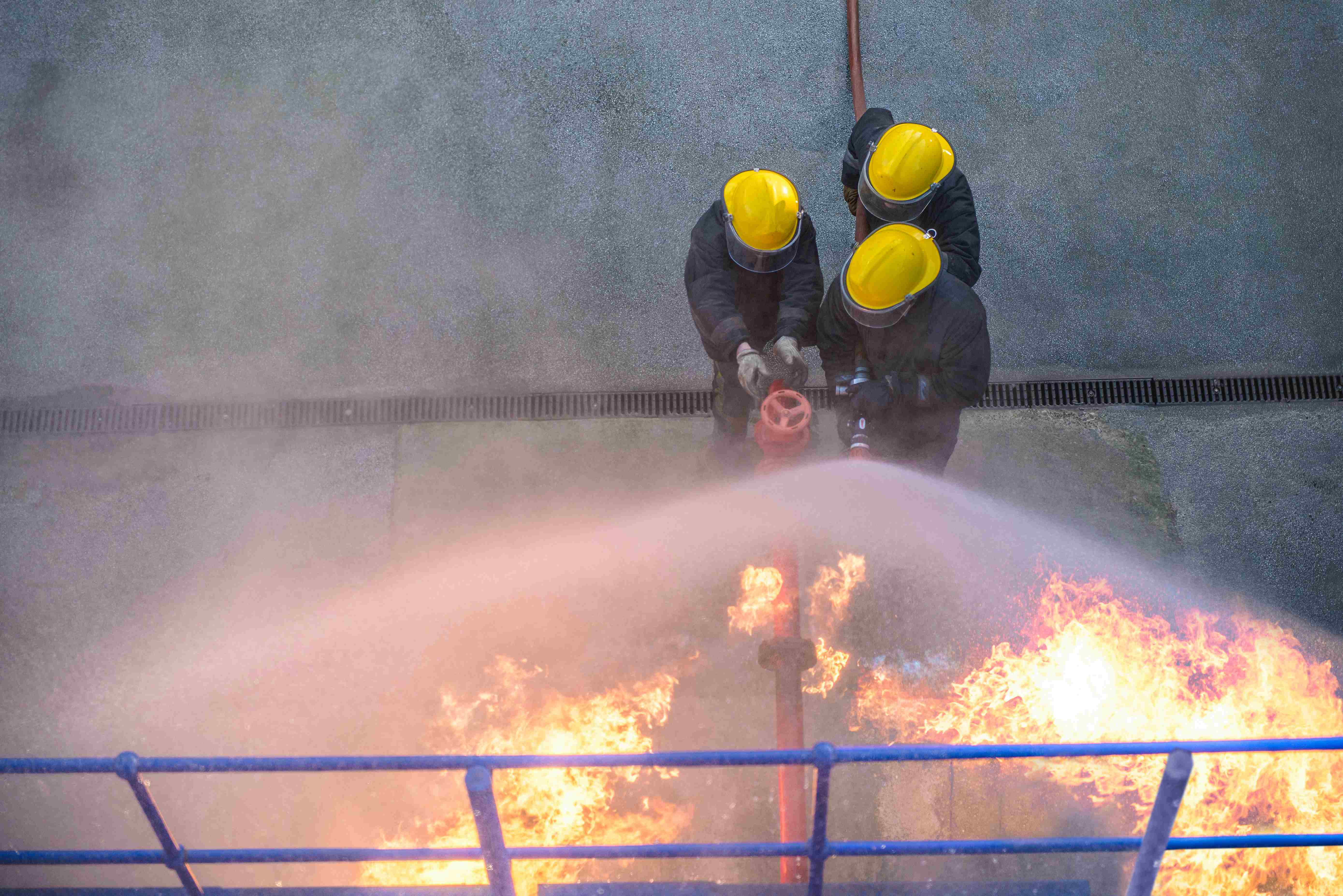
An example of subrogation
Consider two scenarios involving the same building fire:
- Natural Event: The cause of loss investigation determines that the fire was caused by a lightning strike. There are no identifiable third parties that can be held responsible or partially responsible for the loss. As such, subrogation is not viable, and no subrogation claim will be pursued.
- Third Party Negligence: The investigation reveals that the fire ignited because a key electrical component was not reinstalled after servicing. The maintenance contractor responsible for the work is identified as the party that failed to reinstall the component. Pending review of applicable contracts, subrogation may be viable against that contractor.
In both cases, the insured was paid for covered damages. But in Scenario B, the insurer may seek to recover its payment from the negligent contractor.
How does a subrogation investigation work?
During the loss investigation, the adjuster may begin to suspect third party involvement – for example, that a fire originated from a recently serviced piece of equipment. At that point, a subrogation attorney, retained by the insurer, will likely send a notice letter to the maintenance company, inviting them to participate in an inspection of the equipment.
To protect recovery rights, evidence must be properly preserved to avoid claims of spoliation (destruction or alteration of evidence).
Spoliation can undermine a subrogation case by allowing a defendant to argue they were denied the opportunity to inspect key evidence. Notifying potentially responsible parties early helps preserve evidence integrity.
Best practice: Secure the scene and ensure that any damaged materials remain undisturbed until your insurer and subrogation team confirm that all necessary inspections have occurred and release the site for repairs. Document retention is also critical – destruction of relevant documents can be considered spoliation and jeopardize recovery efforts.
Duty to cooperate, explained
If your insurer elects to pursue subrogation, your company has a duty to cooperate – for example, by allowing inspections, assisting with discovery, or being deposed as a fact witness.
Even if your claims process was seamless, you may have little interest in helping your insurer recover money from another company. However, subrogation can directly benefit your business through potential reimbursement of uninsured losses, deductible recovery, and stabilization of future premiums.
In the earlier example of a building fire, let's assume the following:
- The total cost to the repair the fire damage to the building is $12,000,000.
- The policyholder has an insurance policy limit of $10,000,000.
- The policyholder has a physical damage deductible of $1,000,000.
Under the assumptions above, the policyholder will recover as follows:
Insurance claim | |
| Total cost of repair | $12,000,000 |
| Less: deductible | ($1,000,000) |
| Net claim considered | $11,000,000 |
| Policy limit / proceeds from insurance | $10,000,000 |
Amounts not recoverable from insurance | |
| Deductible | $1,000,000 |
| Excess above policy limit | $1,000,000 |
| Total not recoverable | $2,000,000 |
Following the policyholder’s receipt of $10,000,000 in insurance proceeds, the insurance company may pursue recovery of $10,000,000 from the negligent contractor, while the insured retains the right to recover $2,000,000 in uninsured losses. If the insurer’s subrogation counsel includes the insured’s interest in the lawsuit, both parties can share in the recovery.

What if I don’t want to pursue a third party?
Policyholders are sometimes hesitant to participate in subrogation efforts, particularly when the third party provides a product or service integral to their operations. You may worry that a lawsuit could strain or end a valued relationship.
Since insureds have a duty to cooperate, this can create tension – especially in states where the insurer has the right to file a subrogation action in the name of the insured. Typically, the insurer does not need the policyholder’s consent to file in their name. However, if pursuing a third party could harm a key relationship, communicate these concerns early to your insurer and its subrogation counsel.
Options may include carving out your uninsured interests, filing solely in the insurer’s name, or using “as subrogee of” language to make clear that the suit was initiated by the insurer, not your company.
Transparency can help prevent misunderstandings
As long as you do not jeopardize the subrogation action, you may also be cleared to notify the third party that the claim is driven by your insurer, not your company.
In addition, if the third party has liability insurance that could cover the subrogation claim, you might suggest that the two insurers (your subrogating insurer and their liability insurer) work directly with each other to resolve the claim, thereby avoiding the need for protracted litigation. In many cases, the third party’s liability insurer will ultimately bear the financial burden, with the third party incurring limited financial impact.

Coordinating warranties and subrogation
Sometimes a warranty claim may overlap with a subrogation opportunity – for example, when equipment fails while still under warranty. In these cases, both the insurer and the policyholder may have potential recovery paths that need to be carefully coordinated to avoid waiving rights or compromising either claim.
If your company is pursuing both insurance coverage under your policy and a warranty claim against the manufacturer or service provider of the equipment involved in the loss, it is important to coordinate with your insurance adjuster, broker, and any subrogation counsel involved. Communication among these parties ensures that your rights and recovery options are preserved throughout the process.
These situations can become particularly complex when high-value or specialized equipment is involved, or when the cause of loss could fall under both a product defect and a service error. For example, a malfunctioning system may have failed due to both a defective component (warranty issue) and improper installation (potential subrogation target).
If the warranty claim is denied or only partially honored, maintaining evidence and working with your insurer’s subrogation team ensures that a viable subrogation action remains available.
Proper evidence preservation is critical in these scenarios. Prematurely repairing or replacing the damaged equipment without notice to all potentially responsible parties – including the manufacturer or service provider – can jeopardize both the warranty and the subrogation claim. Early coordination allows all interested parties the opportunity to inspect and evaluate the loss before repairs begin, avoiding disputes and preserving the integrity of the recovery process.
In short, policyholders should view warranty and subrogation opportunities as complementary, not competing, paths to recovery. Strategic coordination can help ensure that no potential source of reimbursement is overlooked and that your company’s rights are fully protected.

The role of subrogation professionals
Expertise and experience
Subrogation professionals bring specialized knowledge of legal frameworks, investigative techniques, and negotiation strategies. They understand state-specific laws, know how to establish liability, and are skilled in negotiating with responsible parties and their insurers.
Case management
Subrogation specialists manage the full recovery process – from assessment through litigation support – ensuring that every viable avenue is explored. For companies without dedicated subrogation teams, their involvement ensures claims are pursued effectively and efficiently.
Time and resource efficiency
Managing subrogation in-house can drain time and resources from a company’s legal and risk management teams. Professional subrogation services streamline the process, ensuring diligence without overburdening internal staff.
Waivers of subrogation
Proceed with caution
Many commercial contracts – including leases, construction agreements, and vendor contracts – contain waivers of subrogation.
While common, these clauses can limit recovery opportunities and even affect premium pricing. Before agreeing to any waiver, consult with your broker or legal advisor to fully understand its implications on both coverage and future recoveries.
The bottom line
Subrogation is often seen as a behind-the-scenes process that happens after a claim is paid, but it’s far more than that. It’s a vital mechanism that ensures losses ultimately fall on the responsible party – not the policyholder or insurer.
By understanding the purpose of subrogation and cooperating with recovery efforts, policyholders can protect their interests, recover uninsured losses, and support long-term premium stability.
Early engagement, careful evidence preservation, and coordination with brokers, claims consultants, and insurers can transform subrogation from a confusing post-claim formality into a valuable opportunity for financial recovery and stronger overall risk management.

Meet the authors
 Head of Natural Resources First Party Claims & Senior Vice President - Howden US
Ashley Andrews
 LinkedInHead of Natural Resources First Party Claims & Senior Vice President - Howden US
Ashley Andrews is Head of US Natural Resources First Party Claims at Howden US Specialty. She brings nearly 20 years of energy insurance claim management experience, having previously served as an independent insurance adjuster, a forensic accounting consultant, and a broker claim advocate.
 Managing Director at Stout
Danielle Kaminski
LinkedInManaging Director at StoutDanielle Kaminski is a Managing Director at Stout, where she provides clients with complex claims consulting and advisory services, including subrogation liaison and consulting services for policyholders. She has nearly 30 years of commercial insurance and legal experience, previously serving as an insurance services executive and law firm partner specializing in insurance coverage and subrogation. Her experience also includes serving as Chair of the Subrogation Department at a nationally ranked law firm. Danielle is a trusted voice in the insurance industry and frequent speaker and thought leader on a variety of insurance-related topics of interest for policyholders.