

The Emerging Multinational Benefits Guide
More businesses are expanding internationally than ever before
Maybe you opened an office in Singapore. Hired a developer in Portugal. Built a supply chain across three time zones. The moment you had employees in more than one country, you became a multinational. And your benefits strategy needs to keep up.
The Emerging Multinational Benefits Guide
Built around the questions every emerging multinational eventually has to answer. Written for HR, Reward and Benefits leaders who need to get this right.
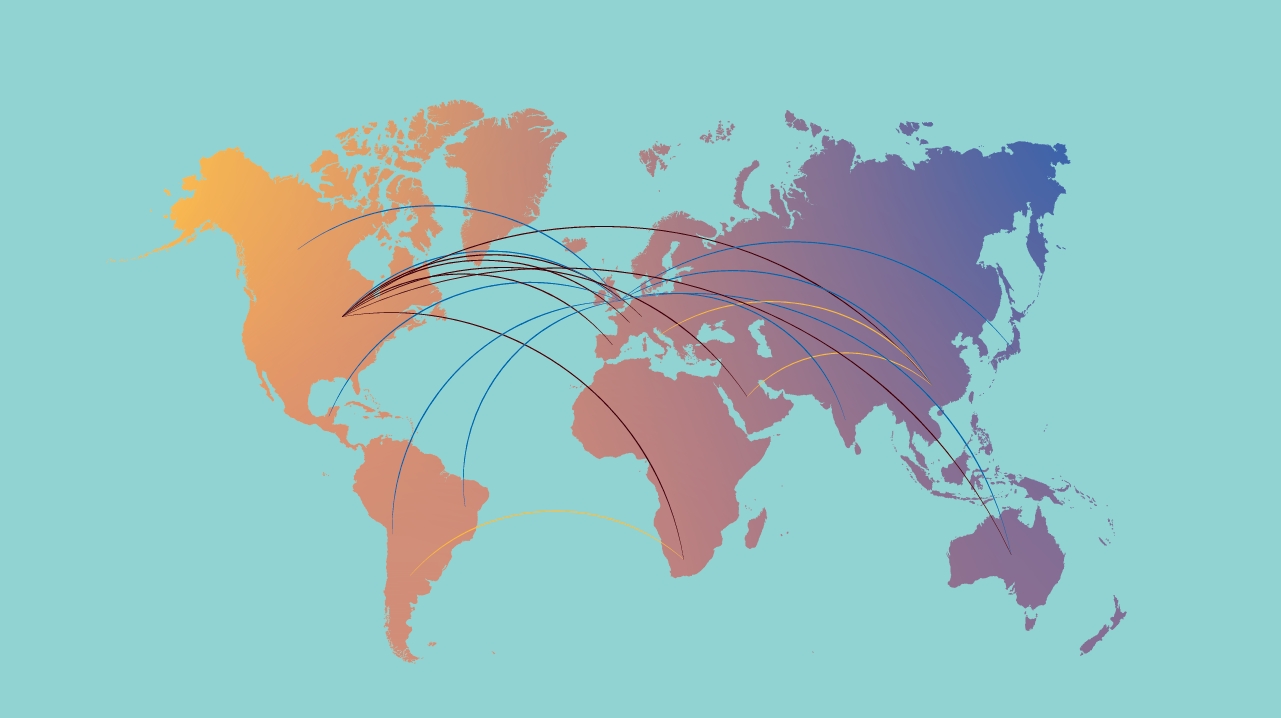
234,000 UK businesses now work across borders
This isn’t just a big-business story. Most companies expanding abroad have 250 employees or fewer — international by necessity, not design, and often without the HR infrastructure to match. Replicated across economies, that’s millions of small and mid-sized businesses managing people across borders. Each one facing the same challenge: different countries, different rules.
All calculations are based on bespoke modelling developed by analysts at Beauhurst Insights for Howden Employee Benefits’ Emerging Multinational Guide, with research undertaken in May 2026. Calculations show both the number of externally headquartered businesses expanding into the UK (inbound) and UK-headquartered businesses extending operations internationally (outbound).

As companies expand, they often let local offices arrange benefits independently, use global policies that aren’t locally admitted, or apply home-country thinking to very different regulatory environments. This creates hidden compliance risk, which only surfaces when something goes wrong.
For businesses that grew across borders faster than anyone planned
You might not call yourself a multinational. But your benefits need to catch up with how fast you’ve grown.
- You grew internationally before your benefits strategy could — and now there’s no single view of what you offer, what it costs, or whether it’s compliant.
- You’re too complex for a local broker, but not yet a priority for the biggest global consultancies.
- You want a clearer picture across your markets, and a strategy that works as hard as you do.
You can already feel your benefits need more structure
The guide walks through five areas to get right before the complexity becomes unmanageable.
- Get your strategy aligned to your business
- Get smarter about cost control
- Get governance and compliance sorted early
- Get your data working for you
- Get the employee experience right