


 Austria
 Belgium
 Denmark
 Estonia
 Finland
 France
 Germany
 Greece
 Iceland
 Ireland
 Italy
 Liechtenstein
 Netherland
 Norway
 Poland
 Portugal
 Spain
 Sweden
 Switzerland
 Turkey
 United Kingdom
 Australia
 Fiji
 Hong Kong
 India
 New Zealand
 Indonesia
 Japan
 Malaysia
 Philippines
 Singapore
 Thailand
 Brazil
 Chile
 Colombia
 Mexico
 Peru
 USA
 Bahrain
 Israel
 Morocco
 Oman
 UAE
 Saudi Arabia
 Tanzania

 Prefer us on Google


The UK metals and steel sector is going through a period of significant change.
While trading conditions remain challenging, they also present an opportunity for well-managed businesses to strengthen resilience, protect margins and make more informed decisions around supply chains, pricing, customers and future growth.
The story is not just about risk; it's about helping businesses protect cash flow, grow with confidence and stay in control of their future.
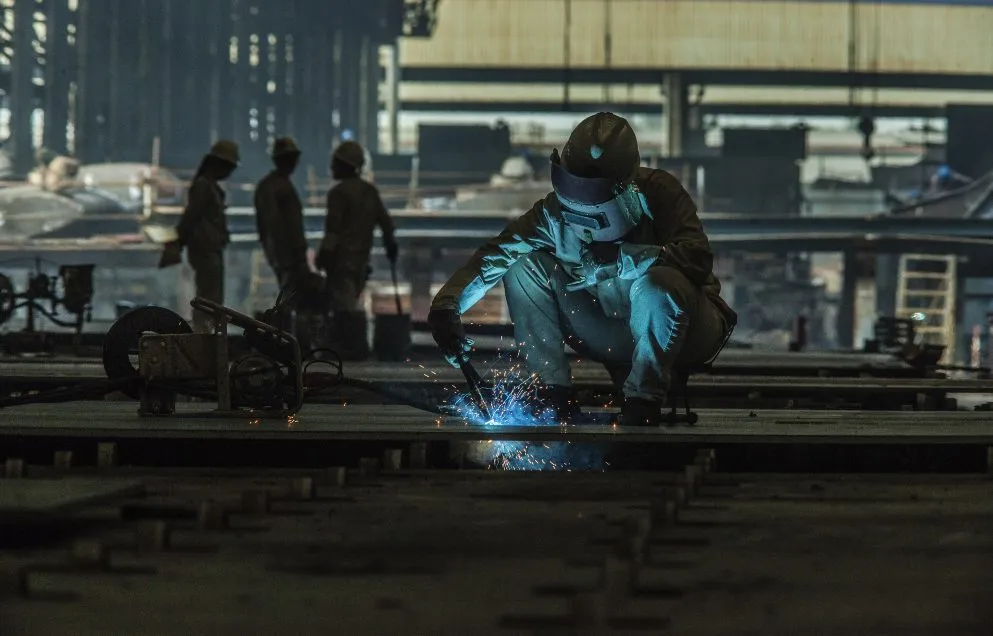
Atradius’s latest Metals Sector Report Q3 2026 highlights growing pressure across the sector. According to the report, since the end of 2025, the number of metal claims paid has increased, while payment performance and credit risk are both rated as poor. Claims volumes remain high, and Atradius’s analysis suggests there is little expectation that conditions will improve during the rest of 2026.
Trade credit insurance can play an important role. Beyond protecting against customer non-payment, it .it can provide access to credit information and risk insights that may help support credit management and trading decisions.
The sector remains strategically important to the UK economy, supporting infrastructure, defence, clean energy and manufacturing.
According to the House of Commons Library, the UK steel industry contributed £1.7 billion to the economy in 2024, supported around 37,000 jobs and accounted for 0.8% of UK manufacturing output. Despite its importance to the UK economy, the UK's role in global steel production remains relatively small. In 2023, the UK produced 5.6 million tonnes of crude steel, compared with 1,019 million tonnes in China and 126 million tonnes across the EU.
At the same time, businesses are operating in an increasingly challenging environment. Ongoing pressures around demand, costs and customer financial stability mean it's more important than ever to have a clear understanding of risk and trading conditions.
Domestic production is being reshaped
One of the most significant developments is Tata Steel UK's transformation of its Port Talbot site.
In February 2025, plans were approved for a new electric arc furnace as part of a £1.25 billion investment programme, backed by £500 million in UK Government funding. Tata expects the furnace to begin operations from late 2027, safeguard around 5,000 jobs and reduce on-site carbon emissions by 90% compared with traditional blast furnace steelmaking.
This is a positive step towards decarbonisation, but it also highlights the scale of change facing the industry.
Tata has confirmed that its ageing blast furnaces and ironmaking facilities have now closed. During the transition period, the business will rely on imported slab and hot rolled coil to support manufacturing and distribution activities.
For customers, this shift could affect domestic availability, lead times and reliance on imported material, making supply chain planning increasingly important.
The UK Government has also highlighted the long-term decline in domestic steel production. Crude steel output has fallen by more than 50% over the last decade, dropping from 10.9 million tonnes in 2015 to 4 million tonnes in 2024. This decline helps explain why policymakers are increasingly focused on protecting strategically important domestic steelmaking capacity.
Tariffs, quotas and carbon rules are changing the cost equation
Trade policy is also reshaping the market.
New UK steel import measures introduced in July 2026 reduced tariff-free quotas by 51%, with imports above quota levels facing a 50% tariff. While intended to support domestic steelmaking and protect key supply chains, the changes could increase costs and limit sourcing options for some businesses.
Further change is on the horizon with the introduction of the UK's Carbon Border Adjustment Mechanism (CBAM) in January 2027. The scheme will apply to sectors including iron and steel and is expected to increase compliance requirements and costs for some importers.
What does this mean for metals businesses?
The sector is facing a combination of rising costs, new trade measures, weaker demand and ongoing economic uncertainty. For many businesses, managing these challenges is becoming just as important as pursuing growth opportunities.
With pressure affecting both supply chains and customers, understanding customer and supplier risk and protecting cash flow has never been more important. Businesses that have a clear understanding of their trading relationships are often better placed to navigate uncertainty, protect cash flow and make informed decisions.
The metals sector is closely linked to industries such as construction, manufacturing and engineering, meaning any slowdown in these sectors can quickly affect demand, margins and cash flow.
While insolvency levels remain a concern, the key takeaway is not to retreat from trading, but to have a better understanding of where risks may emerge.
This is where trade credit insurance can help, providing protection, insight and greater confidence when extending credit and pursuing new opportunities.
Conclusion
The UK metals sector is facing change from multiple directions, including shifts in domestic production, new trade measures, carbon regulations, cost pressures and ongoing economic uncertainty.
While these challenges are significant, they also create opportunities for businesses that plan ahead.
Companies that strengthen their supply chains, keep a close eye on customer risk and actively manage cash flow will be in a stronger position to adapt and grow.
In that environment, trade credit insurance is more than protection against bad debt. It can help businesses safeguard cash flow, make informed credit decisions and trade with greater confidence.
Ultimately, the businesses that succeed will be those that stay informed, remain flexible and use today's challenges as an opportunity to build resilience and support future growth.
To explore the latest sector outlook in more detail, click through for the full Metals Sector Report Q3 2026 from Atradius and discover the key trends, risks and insights shaping the market.
Trade credit insurance is subject to policy terms, conditions, limits and exclusions. Cover availability depends on individual circumstances and underwriting assessment.
Meet the author

Trade Credit
Trading on credit relies on trust, but what if a customer doesn’t pay? Relax. Our trade credit insurance helps cover the shortfall, reduce bad debts and power your growth (helping your finance team sleep tighter at night).
With Howden, you’ll receive proactive market intelligence, insights, and updates to help you choose customers and set terms, so you can trade confidently and free up cash reserves to grow your business. All delivered with transparent, personal service from our expert and dedicated team.
Find out more
The UK metals outlook: trading with confidence in a changing market
Trade credit insurance can help protect your business if a customer cannot pay for goods or services supplied on credit, subject to the terms, conditions and exclusions of your policy.
It can also provide customer and market insight to support credit management, customer reviews and growth decisions.
Find out more